USD
EUR
USD
English
Latviešu
Francais
English
Русский
Sign Up
Login
Auction
Best sellers
Upcomming auctions
Archive
Shop
Sell
Evaluation
Services
Expertise
Restoration
Antiq selection
Delivery
Contacts
Home
Shop
Jewelry
Other
Show sold items
Show auction items
Available right now
Price
-
USD
New items
Gifts
EXCLUSIVE
Catalogue categories
ALL ITEMS
Russian art
Objects of Vertu (18)
+
Objects of Vertu (18)
Paintings (639)
+
Paintings (604)
Watercolor (20)
Miniature (3)
Other (12)
Graphic arts (47)
+
Graphic arts (47)
Icons (38)
+
Icons (34)
Church utensils (4)
Frames and easels (43)
+
Frames (28)
Easels (3)
Photo frames (12)
Sculpture (60)
+
Bronze sculptures (33)
Stone sculptures (9)
Stone carving miniature (6)
Other (12)
Silver and metal (251)
+
Russian silver (103)
European silver (72)
Other (76)
Porcelain and ceramics (347)
+
Russian porcelain (22)
European porcelain (113)
Other (212)
Glass (51)
+
Crystal (5)
Glass (46)
Clocks and watches (25)
+
Mantel clocks (7)
Wall clocks (3)
Wrist watches (7)
Pocket watches (5)
Grandfather floor clocks (1)
Other (2)
Furniture (145)
+
Furniture sets (8)
Showcases (25)
Dressers (10)
Tables (30)
Sofas (3)
Armchairs and chairs (16)
Columns (5)
Mirrors (8)
Consoles (9)
Other (31)
Lighting (52)
+
Chandeliers (11)
Sconce (8)
Floor lamps (4)
Lamps (16)
Candlesticks and candelabra (12)
Other (1)
Interior objects (34)
+
Interior objects (34)
Fireplaces and stoves (14)
+
Fireplaces and stoves (6)
Accessories (7)
Other (1)
Carpets and tapestries (2)
+
Carpets (1)
Tapestries (1)
Jewelry (123)
+
Diamonds and precious stones (0)
Rings (50)
Bracelets (7)
Brooches and pendants (2)
Earrings (10)
Jewelry sets (4)
Chains and necklaces (11)
Amber (0)
Bijoux (1)
Other (38)
Weapons and мilitary (20)
+
Weapon (12)
Military (5)
Other (2)
Armour (1)
Orders and medals (4)
+
Orders and medals (3)
Signs and Tokens (0)
Other (1)
Coins and banknotes (17)
+
Coins (17)
Banknotes and Bonds (0)
Other (0)
Mechanics (15)
+
Music boxes (9)
Mechanisms and tools (4)
Models (0)
Other (2)
Print, postcards and other antique paper production (9)
+
Posters (3)
Maps (2)
Postcards (0)
Photos (0)
Other (4)
Books (5)
+
Literature (1)
History (1)
Military (0)
Science (1)
Children`s literature (0)
Other (2)
Garden and architecture (2)
+
Garden sculpture (0)
Fountain (0)
Garden furniture (0)
Architectural elements (2)
Other (0)
Modern Art (72)
+
Paintings (10)
Sculpture (18)
Objects (29)
Other (15)
Collectibles (14)
+
Collectibles (14)
Vintage and fashion (1)
+
Accessories (1)
Clothing (0)
Footwear (0)
Other (0)
Other (10)
+
Other (10)
Asian art
Styles
Louis-Philippe Carl X (11)
Academic art (3)
Antiquity (9)
Art Deco (61)
Art Nouveau (27)
Asian Art (12)
Baroque (25)
Biedermeier (10)
Boulle (4)
Chinoiserie (6)
Classicism (31)
Design of 50-60’s (10)
Design of 70’s (5)
Eclecticism (54)
Empire (29)
Empire - Consulate (1)
Gothic Revival (3)
Impressionism (22)
Judaica (2)
Jugendstil (10)
Louis XIII - Renaissance (2)
Louis XIV - Regency (1)
Louis XV (31)
Louis XVI (37)
Modern (107)
Modern Art (98)
Napoleon III (40)
Neo-Baroque (9)
Neo-baroque (5)
Neo-Russian (53)
Neoclassicism (37)
Neorenaissance (13)
Neorococo (36)
Oriental Art (5)
Other style (62)
Realism (49)
Renaissance (7)
Rococo (35)
Romanticism (29)
Vanguard (20)
Victorian Style (4)
Epoques
16th century (2)
17th century (4)
18th century (28)
19th century (323)
20th century (330)
21th century (269)
At the turn of 16th -17th century (1)
At the turn of 17th-18th century (1)
At the turn of 19th -20th century (196)
At the turn of the 15th - 16th century (4)
At the turn of the 18th -19th century (12)
Early 17th century (1)
Early 18th century (1)
Early 19th century (20)
Early 20th century (404)
Late 18th century (3)
Late 19th century (97)
Mid-17th century (14)
Mid-18th century (1)
Mid-19th century (38)
Mid-20th century (268)
The end of the 17th century (1)
The end of the 20th century (45)
Price (descending)
Price (ascending)
Date (ascending)
Date (descending)
...
44
45
46
47
48
49
50
...
86
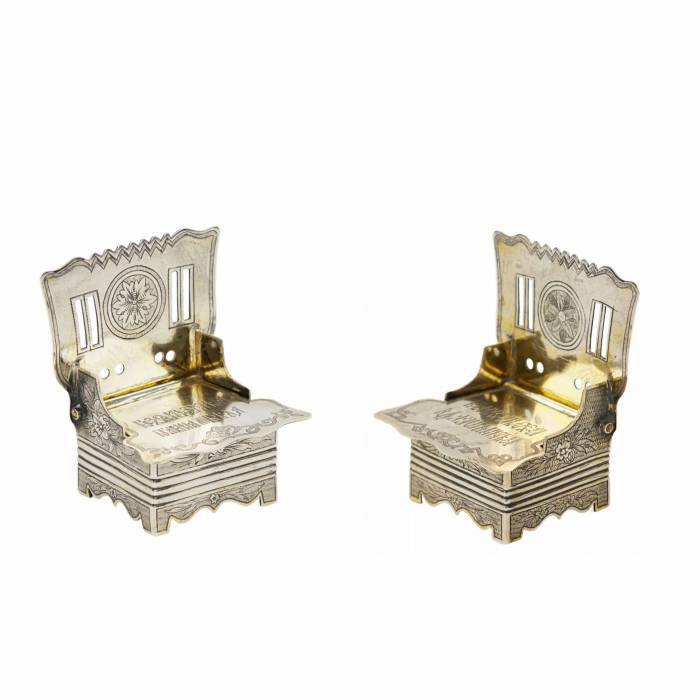
PAIR OF SILVER SALT CELLARS IN THE FORM OF THRONES RUSSIA, MOSCOW, 1869
A pair of silver salt cellars fashioned as miniature thrones represents a characteristic example of Russian decorative silver of the second half of the nineteenth century. The architectural composition is conceived as a reduced ceremonial furniture form in which the utilitarian function is combined with a decorative and symbolic concept.The bodies are set on stepped bases with shaped plinths decorated with engraved vegetal ornament. The salt cellars feature similar decorative engraving, executed with a burin, with slight variations between them. The sides are embellished with fine linear engraving of floral motifs and ornamental bands, forming a clear ornamental structure and emphasizing the architectural plasticity of the form.The backs are designed as decorative panels with openwork cut-outs and central circular medallions with vegetal ornament. On the reverse of each salt cellar is an engraved medallion depicting a rooster.The seat is made as a hinged lid on which the proverb “Without salt and bread, half the dinner is lost” is engraved within an ornamental frame. The interior surfaces of the salt cellars are gilded.Salt cellars in the form of miniature thrones became popular in Russian silver of the nineteenth century as decorative elements of festive table settings. They symbolized the place of honor at the table and reflected the traditions of Russian hospitality, while also serving as elegant ornaments of the ceremonial table.Marks: Moscow assay mark with the image of St. George slaying the dragon; date “1869”; silver standard “84”; maker’s mark “AR” – Alexei Romanov, a Moscow silversmith active in the second half of the nineteenth century.Dimensions: Height: 8 cm; width: 6 cm.Weight: Approx. 78 g each; total weight: 157 g.Condition: Good. Minor traces of age and use, without deformations.
Bidding is completed
Crystal ashtray with silver finish and engraving
400 USD
On the river bank
706 USD
Landscape with a home
530 USD
Landscape
2988 USD
Nikolai Ushin sketch for the show Interest Game, Act 1
424 USD
Podium
459 USD
Autumn Landscape, Scandinavian School, Mid-20th Century.
589 USD
In the circle`s of Daugava
706 USD
Landscape
2353 USD
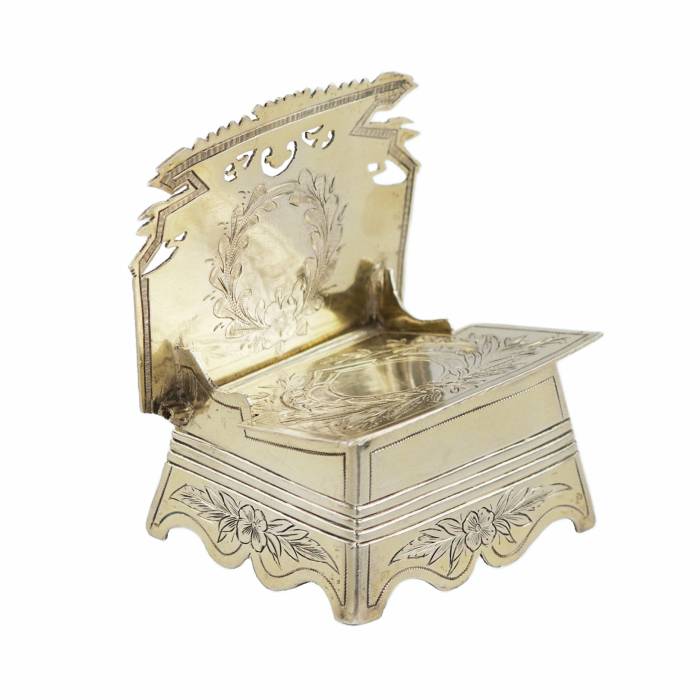
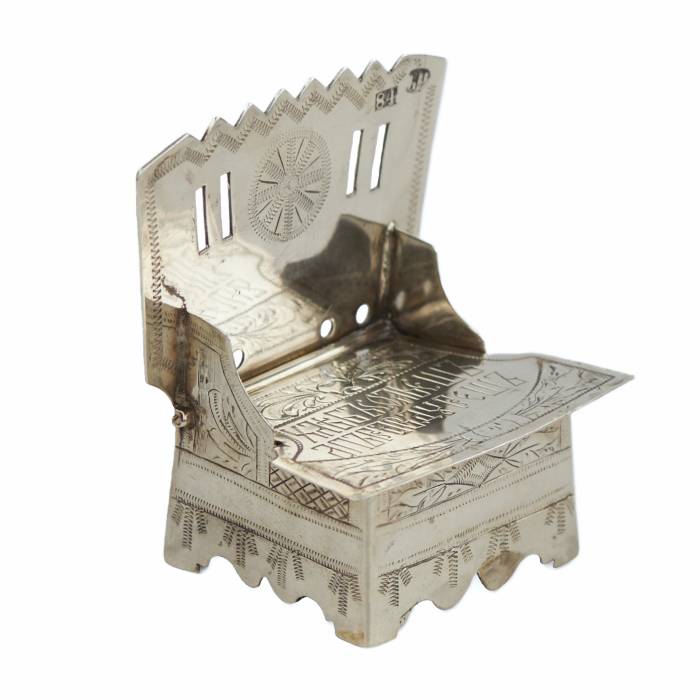
Silver salt cellar in the form of a chair in Old Russian style, Vasily Ivanovich Ivanov Moscow, Russia, 1885
An elegant silver salt cellar of rare form, executed as a miniature chair with a hinged cover, represents a refined example of Moscow silverwork of the Historicism period. The composition is conceived as a stylized seat with an openwork back, a rectangular salt compartment and a folding front panel, lending the object architectural clarity and symbolic character.Particular attention is drawn to the pierced back executed in the Old Russian style. The central panel is engraved with a flowering tree surmounted by two symmetrically placed birds - a motif rooted in folk art traditions and symbolizing abundance, fertility and harmony. This decorative element harmoniously interacts with the openwork foliate scrolls and the serrated upper edge reminiscent of traditional wood carving.The base is adorned with a relief floral ornament and softly profiled contours enhancing the decorative unity of the piece. The hinged cover is finely engraved and reveals a gilt interior, creating a striking contrast with the silver surface and emphasizing the ceremonial character of the object.Marks: Maker’s mark “VI” for Vasily Ivanovich Ivanov, Moscow, active 1870–1908; assay mark with initials “V.P” over a line and date “1885”; standard mark “84”; Moscow city mark depicting St. George slaying the dragon.Dimensions: Height: 6 cm; length: 6 cm.Weight: 67 g.Condition: Good. Partial wear to gilding and minor surface wear consistent with age. No structural damage or losses.Provenance: Private collection.
Bidding is completed
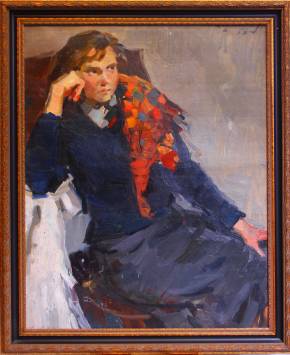
Portrait of a girl
530 USD
Portrait of a woman
683 USD
Reflections
577 USD
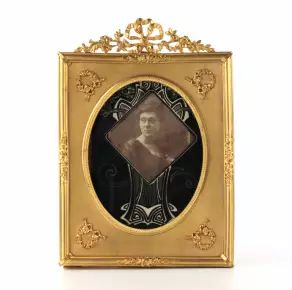
Photo frame of gilded bronze in the style of neoclassicism.
Bidding is completed
European Portrait of a Lady, Mid-20th Century.
530 USD
Still Life, Oil on Canvas, Dated 1861.
459 USD
European School, Early 19th Century, Portrait of a Noblewoman, Oil on Board.
530 USD
SILVER SALT CELLAR IN THE FORM OF A THRONE WITH THE PROVERB “EAT BREAD AND SALT, BUT SPEAK THE TRUTH” RUSSIA, MOSCOW, 1875
An elegant silver salt cellar in the form of a miniature throne, representing a characteristic example of Moscow decorative silver of the second half of the 19th century. The architectural composition is conceived as a ceremonial seat with a high shaped back, pierced vertical openings, and a hinged front panel providing access to the interior.The plasticity of the piece is defined by strict symmetry and rich decorative detailing. The surface is finely engraved with geometric and stylised vegetal motifs typical of Moscow workshops of the Historicism period. The central panel features the inscription: “Eat bread and salt, but speak the truth,” executed in a traditional manner using Old Russian script, lending the object a distinctly national character and symbolic meaning.The gilded interior enhances the visual contrast with the matte silver surface, emphasising the festive and ceremonial nature of the piece. The ornamental system, including a serrated edge, engraved hatchings, and stamped elements, demonstrates a high level of craftsmanship and refined execution.Marks: Assay mark “VS” over a line with the date “1875” - Viktor Savinkov, assay master, Moscow; Russian standard mark “84” with the Moscow city emblem (St George); Maker’s mark “LCh” (Cyrillic, unidentified Moscow master, third quarter of the 19th century).Dimensions: Height: 6 cm; Width: 6 cm; Depth: 4 cm.Weight: 57 g.Condition: Good. Even gilding. Minor wear to the base. No deformations, cracks, restorations, or signs of heavy use.Provenance: Private collection.
Bidding is completed
European School, Portrait of a Lady with Cat, Mid-20th Century.
2882 USD
German School, Oil on Canvas, Scene of a Shipwreck, Indistinctly Signed, Dated 1840.
1047 USD
Fish Market by A. Baumgartner (Austrian, 19th Century)
1447 USD
Winter Landscape by Theodore Donaldson (20th Century, USA)
788 USD
Gudbrandsdal Landscape by Atle Urdal (1913–1988), Oil on Plate. Norway.
1576 USD
Russian Still Life with Samovar, 19th Century, Oil on Canvas
1835 USD
Porcelain candlesticks Chinese (2 pcs.)
1447 USD
Porcelain figurine Hare
2353 USD
...
44
45
46
47
48
49
50
...
86
Subscribe to our newsletter
Never miss new auctions
You have subscribed to our newsletter.
Subscribe
Your latest views
Cliffs
612 USD
Author collage Spring, colored glass.Grischenko Anatoly
Bidding is completed
Megaphone of the Revolution
177 USD
Grand Canal Venice
3141 USD
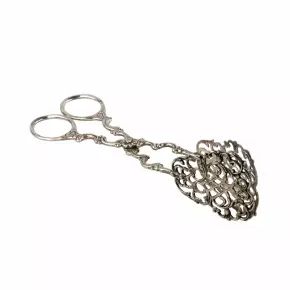
Silver tongs for dessert.
Bidding is completed
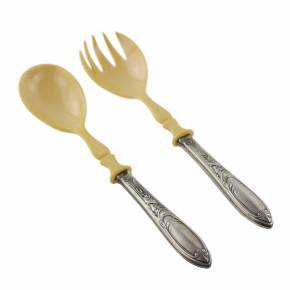
Salad cutlery made of silver and plastic. Latvia. 1920-30
Bidding is completed
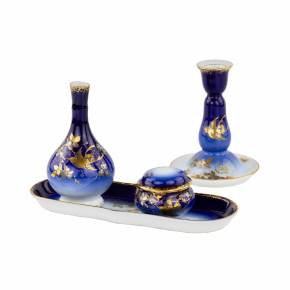
Four-piece set, Gardner Porcelain Factory.
Bidding is completed
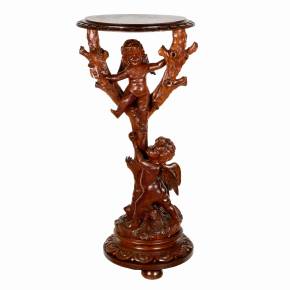
Wooden console with carved cupids.
Bidding is completed
Mushrooms
1341 USD
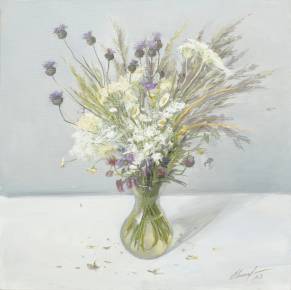
Field flowers
565 USD
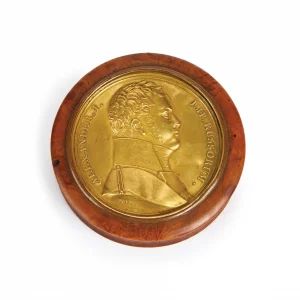
Snuff Box with Alexander I portrait
Bidding is completed
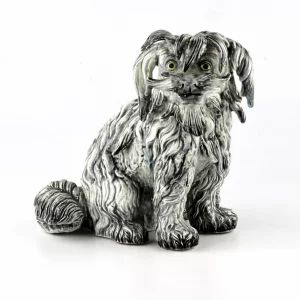
Porcelain Bolonka based on Kuznetsovs model.
Bidding is completed
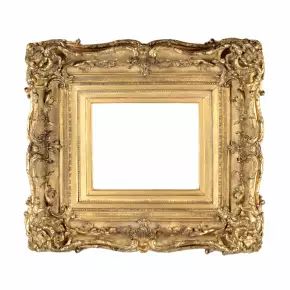
Wooden frame in Louis XV style.
1765 USD
Abstract composition
941 USD
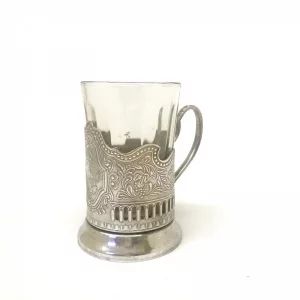
Cup holder Soviet space
Bidding is completed
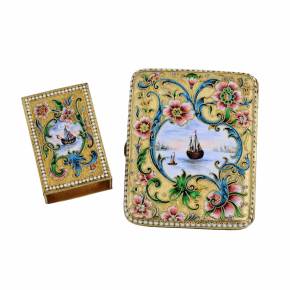
SILVER CIGARETTE CASE AND MATCHBOX WITH CLOISONNÉ ENAMEL.MOSCOW, MASTER V. AKIMOV, 1899–1908
Bidding is completed
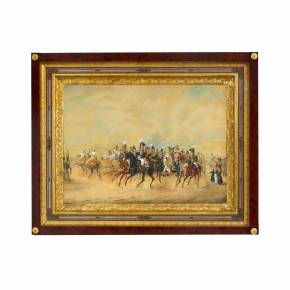
IMPERIAL PARADE OF NICHOLAS I. WATERCOLOR BY FRANZ KRÜGER. RUSSIA, 1847
41164 USD
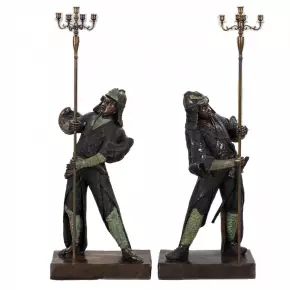
Twin candelabra Samurai
Bidding is completed
Figure of a pink parrot. Karl Ens
Bidding is completed
Russian silver kovsh
Bidding is completed
Start hunt for treasures!
Individual
Legal entity
Enter a name (min 3 characters)
Enter a Last name (min 3 characters)
Enter the email
User already exist
Algeria (+213)
Andorra (+376)
Angola (+244)
Anguilla (+1264)
Antigua & Barbuda (+1268)
Argentina (+54)
Armenia (+374)
Aruba (+297)
Australia (+61)
Austria (+43)
Azerbaijan (+994)
Bahamas (+1242)
Bahrain (+973)
Bangladesh (+880)
Barbados (+1246)
Belarus (+375)
Belgium (+32)
Belize (+501)
Benin (+229)
Bermuda (+1441)
Bhutan (+975)
Bolivia (+591)
Bosnia Herzegovina (+387)
Botswana (+267)
Brazil (+55)
Brunei (+673)
Bulgaria (+359)
Burkina Faso (+226)
Burundi (+257)
Cambodia (+855)
Cameroon (+237)
Canada (+1)
Cape Verde Islands (+238)
Cayman Islands (+1345)
Central African Republic (+236)
Chile (+56)
China (+86)
Colombia (+57)
Comoros (+269)
Congo (+242)
Cook Islands (+682)
Costa Rica (+506)
Croatia (+385)
Cuba (+53)
Cyprus North (+90392)
Cyprus South (+357)
Czech Republic (+42)
Denmark (+45)
Djibouti (+253)
Dominica (+1809)
Dominican Republic (+1809)
Ecuador (+593)
Egypt (+20)
El Salvador (+503)
Equatorial Guinea (+240)
Eritrea (+291)
Estonia (+372)
Ethiopia (+251)
Falkland Islands (+500)
Faroe Islands (+298)
Fiji (+679)
Finland (+358)
France (+33)
French Guiana (+594)
French Polynesia (+689)
Gabon (+241)
Gambia (+220)
Georgia (+7880)
Germany (+49)
Ghana (+233)
Gibraltar (+350)
Greece (+30)
Greenland (+299)
Grenada (+1473)
Guadeloupe (+590)
Guam (+671)
Guatemala (+502)
Guinea (+224)
Guinea - Bissau (+245)
Guyana (+592)
Haiti (+509)
Honduras (+504)
Hong Kong (+852)
Hungary (+36)
Iceland (+354)
India (+91)
Indonesia (+62)
Iran (+98)
Iraq (+964)
Ireland (+353)
Israel (+972)
Italy (+39)
Jamaica (+1876)
Japan (+81)
Jordan (+962)
Kazakhstan (+7)
Kenya (+254)
Kiribati (+686)
Korea North (+850)
Korea South (+82)
Kuwait (+965)
Kyrgyzstan (+996)
Laos (+856)
Latvia (+371)
Lebanon (+961)
Lesotho (+266)
Liberia (+231)
Libya (+218)
Liechtenstein (+417)
Lithuania (+370)
Luxembourg (+352)
Macao (+853)
Macedonia (+389)
Madagascar (+261)
Malawi (+265)
Malaysia (+60)
Maldives (+960)
Mali (+223)
Malta (+356)
Marshall Islands (+692)
Martinique (+596)
Mauritania (+222)
Mayotte (+269)
Mexico (+52)
Micronesia (+691)
Moldova (+373)
Monaco (+377)
Mongolia (+976)
Montserrat (+1664)
Morocco (+212)
Mozambique (+258)
Myanmar (+95)
Namibia (+264)
Nauru (+674)
Nepal (+977)
Netherlands (+31)
New Caledonia (+687)
New Zealand (+64)
Nicaragua (+505)
Niger (+227)
Nigeria (+234)
Niue (+683)
Norfolk Islands (+672)
Northern Marianas (+670)
Norway (+47)
Oman (+968)
Palau (+680)
Panama (+507)
Papua New Guinea (+675)
Paraguay (+595)
Peru (+51)
Philippines (+63)
Poland (+48)
Portugal (+351)
Puerto Rico (+1787)
Qatar (+974)
Reunion (+262)
Romania (+40)
Russia (+7)
Rwanda (+250)
San Marino (+378)
Sao Tome & Principe (+239)
Saudi Arabia (+966)
Senegal (+221)
Serbia (+381)
Seychelles (+248)
Sierra Leone (+232)
Singapore (+65)
Slovak Republic (+421)
Slovenia (+386)
Solomon Islands (+677)
Somalia (+252)
South Africa (+27)
Spain (+34)
Sri Lanka (+94)
St. Helena (+290)
St. Kitts (+1869)
St. Lucia (+1758)
Sudan (+249)
Suriname (+597)
Swaziland (+268)
Sweden (+46)
Switzerland (+41)
Syria (+963)
Taiwan (+886)
Tajikstan (+7)
Thailand (+66)
Togo (+228)
Tonga (+676)
Trinidad & Tobago (+1868)
Tunisia (+216)
Turkey (+90)
Turkmenistan (+7)
Turkmenistan (+993)
Turks & Caicos Islands (+1649)
Tuvalu (+688)
Uganda (+256)
UK (+44)
Ukraine (+380)
United Arab Emirates (+971)
Uruguay (+598)
USA (+1)
Uzbekistan (+7)
Vanuatu (+678)
Vatican City (+379)
Venezuela (+58)
Vietnam (+84)
Virgin Islands - British (+1284)
Virgin Islands - US (+1340)
Wallis & Futuna (+681)
Yemen (North)(+969)
Yemen (South)(+967)
Zambia (+260)
Zimbabwe (+263)
Enter the phone number
Minimum password length must be at least 6 characters
Enter a name of your company (min 3 characters)
Enter registration number (min 3 characters)
Enter the email
User already exist
Enter the phone number
Minimum password length must be at least 6 characters
I am a buyer
I am a seller
or log in with
Sign up for our weekly newsletter
I reviewed and agree
user agreement
,
«Privacy Policy»
i agree with Antiqon Terms and conditions
Register
Already have an account?
Log In
Enter your email and password for authorization
Enter the email
The number of attempts has been used uo, repeat after 2 hours
Minimum password length must be at least 6 characters
Invalid email or password
or log in with
Login
Forgot password?
Don't have an account?
register