EUR
EUR
USD
English
Latviešu
Francais
English
Русский
Sign Up
Login
Auction
Best sellers
Upcomming auctions
Archive
Shop
Sell
Evaluation
Services
Expertise
Restoration
Antiq selection
Delivery
Contacts
Home
Shop
Vintage and fashion
Accessories
Show sold items
Show auction items
Available right now
Price
-
EUR
New items
Gifts
EXCLUSIVE
Catalogue categories
ALL ITEMS
Russian art
Objects of Vertu (18)
+
Objects of Vertu (18)
Paintings (634)
+
Paintings (600)
Watercolor (19)
Miniature (3)
Other (12)
Graphic arts (47)
+
Graphic arts (47)
Icons (34)
+
Icons (30)
Church utensils (4)
Frames and easels (43)
+
Frames (28)
Easels (3)
Photo frames (12)
Sculpture (58)
+
Bronze sculptures (31)
Stone sculptures (9)
Stone carving miniature (6)
Other (12)
Silver and metal (242)
+
Russian silver (101)
European silver (69)
Other (72)
Porcelain and ceramics (337)
+
Russian porcelain (20)
European porcelain (107)
Other (210)
Glass (50)
+
Crystal (5)
Glass (45)
Clocks and watches (23)
+
Mantel clocks (7)
Wall clocks (3)
Wrist watches (7)
Pocket watches (3)
Grandfather floor clocks (1)
Other (2)
Furniture (138)
+
Furniture sets (8)
Showcases (22)
Dressers (9)
Tables (29)
Sofas (3)
Armchairs and chairs (15)
Columns (5)
Mirrors (8)
Consoles (8)
Other (31)
Lighting (51)
+
Chandeliers (10)
Sconce (8)
Floor lamps (4)
Lamps (16)
Candlesticks and candelabra (12)
Other (1)
Interior objects (34)
+
Interior objects (34)
Fireplaces and stoves (14)
+
Fireplaces and stoves (6)
Accessories (7)
Other (1)
Carpets and tapestries (2)
+
Carpets (1)
Tapestries (1)
Jewelry (121)
+
Diamonds and precious stones (0)
Rings (48)
Bracelets (7)
Brooches and pendants (2)
Earrings (10)
Jewelry sets (4)
Chains and necklaces (11)
Amber (0)
Bijoux (1)
Other (38)
Weapons and мilitary (17)
+
Weapon (10)
Military (4)
Other (2)
Armour (1)
Orders and medals (4)
+
Orders and medals (3)
Signs and Tokens (0)
Other (1)
Coins and banknotes (16)
+
Coins (16)
Banknotes and Bonds (0)
Other (0)
Mechanics (14)
+
Music boxes (8)
Mechanisms and tools (4)
Models (0)
Other (2)
Print, postcards and other antique paper production (9)
+
Posters (3)
Maps (2)
Postcards (0)
Photos (0)
Other (4)
Books (5)
+
Literature (1)
History (1)
Military (0)
Science (1)
Children`s literature (0)
Other (2)
Garden and architecture (2)
+
Garden sculpture (0)
Fountain (0)
Garden furniture (0)
Architectural elements (2)
Other (0)
Modern Art (72)
+
Paintings (10)
Sculpture (18)
Objects (29)
Other (15)
Collectibles (14)
+
Collectibles (14)
Vintage and fashion (1)
+
Accessories (1)
Clothing (0)
Footwear (0)
Other (0)
Other (10)
+
Other (10)
Asian art
Styles
Louis-Philippe Carl X (11)
Academic art (3)
Antiquity (9)
Art Deco (61)
Art Nouveau (27)
Asian Art (11)
Baroque (24)
Biedermeier (8)
Boulle (5)
Chinoiserie (5)
Classicism (30)
Design of 50-60’s (10)
Design of 70’s (5)
Eclecticism (50)
Empire (29)
Empire - Consulate (1)
Gothic Revival (3)
Impressionism (20)
Judaica (2)
Jugendstil (8)
Louis XIII - Renaissance (2)
Louis XIV - Regency (1)
Louis XV (31)
Louis XVI (34)
Modern (107)
Modern Art (98)
Napoleon III (40)
Neo-baroque (5)
Neo-Baroque (9)
Neo-Russian (49)
Neoclassicism (37)
Neorenaissance (13)
Neorococo (36)
Oriental Art (5)
Other style (62)
Realism (46)
Renaissance (7)
Rococo (35)
Romanticism (29)
Vanguard (20)
Victorian Style (4)
Epoques
16th century (2)
17th century (4)
18th century (28)
19th century (315)
20th century (321)
21th century (266)
At the turn of 17th-18th century (1)
At the turn of 19th -20th century (188)
At the turn of the 15th - 16th century (4)
At the turn of the 18th -19th century (12)
Early 17th century (1)
Early 18th century (1)
Early 19th century (19)
Early 20th century (397)
Late 18th century (3)
Late 19th century (93)
Mid-17th century (14)
Mid-18th century (1)
Mid-19th century (34)
Mid-20th century (267)
The end of the 17th century (1)
The end of the 20th century (45)
Price (descending)
Price (ascending)
Date (ascending)
Date (descending)
...
13
14
15
16
17
18
19
...
84
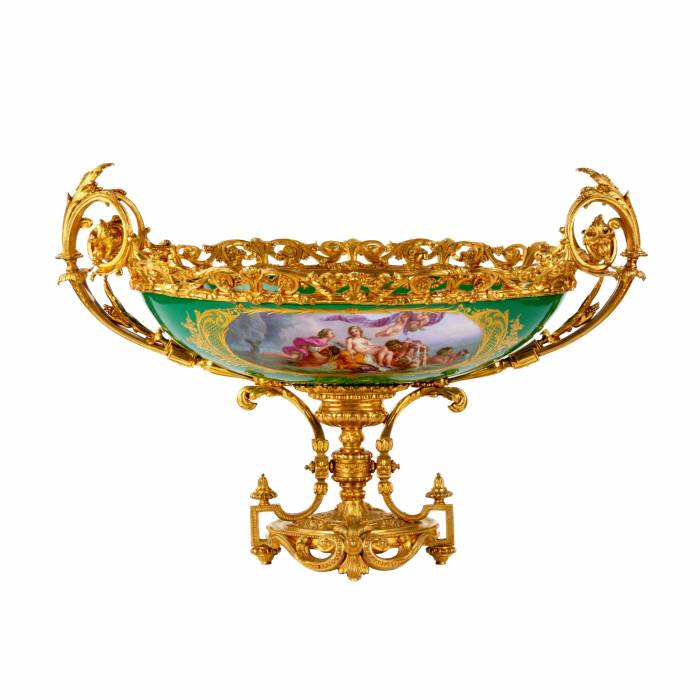
LARGE VASE WITH BRONZE MOUNTS AND PAINTED DECORATION “THE TRIUMPH OF VENUS” FRANCE, SECOND HALF OF THE 19TH CENTURY
A monumental vase combining gilt bronze and painted porcelain, representing a striking example of French decorative art of the Second Empire and the Historicist period. The oval bowl with a rich emerald-green ground is adorned with a central painted composition depicting the allegorical scene “The Triumph of Venus”, executed in the spirit of 18th century academic mythological painting. On the reverse appears an exquisite floral bouquet rendered with refined naturalism and delicate chromatic nuances.The porcelain body is mounted within an elaborate architectural framework of finely chased gilt bronze with openwork Rocaille ornamentation. The handles curve in dynamic vegetal scrolls with mascarons and ornamental cartouches. The upper rim forms an airy gallery of scrolling foliage and stylised acanthus leaves. The base is conceived as a ceremonial pedestal with a baluster stem and a four-sided support, richly decorated with relief elements and symmetrical scrollwork.The artistic conception unites elements of Neo-Rococo and Neo-Baroque, characteristic of Parisian bronze workshops of the second half of the 19th century. Stylistic features and the quality of porcelain painting suggest a connection with the traditions of the Sèvres manufactory, renowned for producing grand decorative vases and mantel ornaments for aristocratic residences.Dimensions: height 38 cm; width 54 cm; depth 32 cm.Condition: Good. Gilding even and well preserved. Minor wear to the base. No deformations, cracks, restorations or traces of active use.
2300 EUR
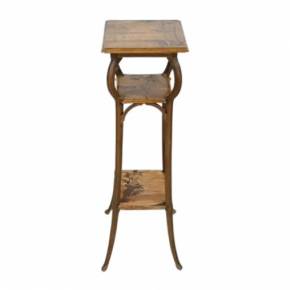
French console table from the Art Nouveau era in the Majorelle style.
0 EUR
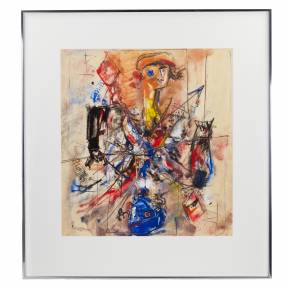
ABSTRACT COMPOSITION “JACK OF DIAMONDS”. VLADIMIR NEMUKHIN. RUSSIA, 1968
Bidding is completed
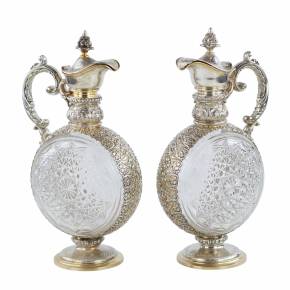
PAIR OF CUT CRYSTAL WINE EWERS WITH SILVER MOUNTS GERMANY, FIRST HALF OF THE 20TH CENTURY
Bidding is completed
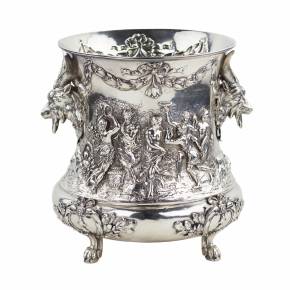
SILVER CHAMPAGNE COOLER WITH BACCHANALIAN FRIEZE AND SATYR HEADS GERMANY, HANAU, SECOND HALF OF THE 19TH CENTURY
Bidding is completed
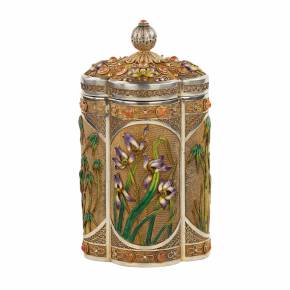
SILVER TEA CADDY WITH ENAMELS AND CABOCHONS CHINA, 20TH CENTURY
Bidding is completed
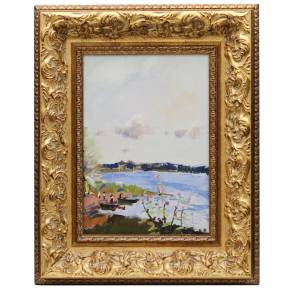
Janis Pauluks. Lielupe. 1953
2500 EUR
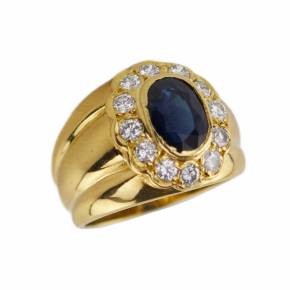
18K Gold Signet Ring with Sapphire and Diamonds.
3500 EUR
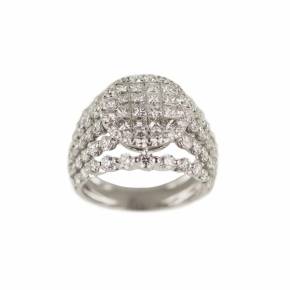
18k gold ring with diamonds.
4600 EUR
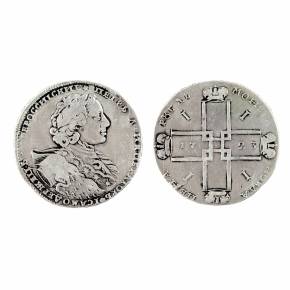
Silver ruble of Peter I, 1723. A. In an ermine mantle without the St. Andrew`s cross
1350 EUR
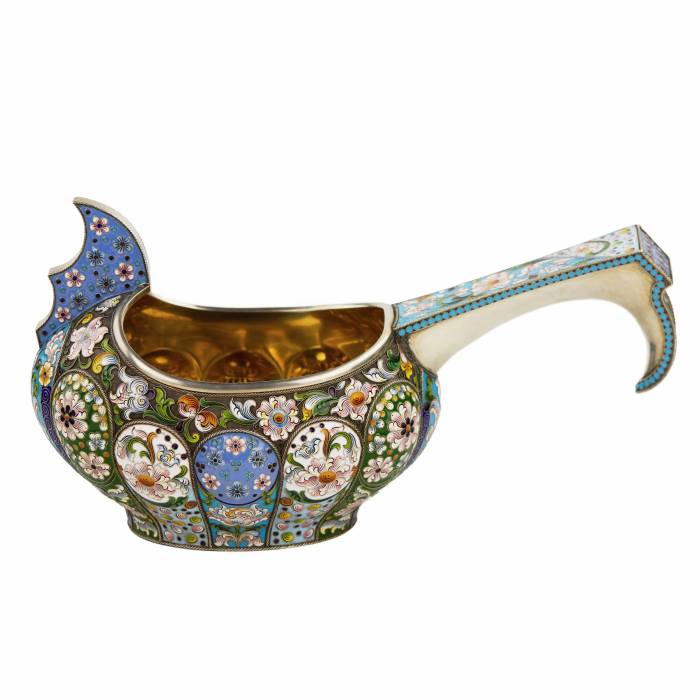
SILVER-GILT KOVSH WITH POLYCHROME ENAMELS. PAVEL OVTCHINNIKOV FIRM RUSSIA, MOSCOW, 1908–1917
A large ceremonial kovsh executed in silver with gilding and cloisonné polychrome enamels. The body is formed with pronounced gadrooning, each facet adorned with elaborate floral compositions of flowers and scrolling foliage. The enamels are applied on alternating grounds of green, white, and blue, creating a richly rhythmic decorative surface. The upper section is encircled by a continuous frieze of leafy and floral arabesques in cloisonné enamels set against a matte gilt ground. The interior is fully gilt, emphasizing the ceremonial character of the object. The handle and front panel are similarly decorated with floral motifs in cloisonné polychrome enamels on a sky-blue ground. The form and ornamentation reflect the Neo-Russian style combined with elements of Art Nouveau, characteristic of the Moscow school in the early 20th century.Marks: Complete maker’s mark «P. Ovtchinnikoff» with the double-headed eagle – insignia of Purveyor to the Imperial Court; State assay mark of the Moscow Assay District, 1908–1917, depicting a woman’s head in a kokoshnik facing right within an oval cartouche, accompanied by the silver standard mark “84” and the Greek letter delta (Δ), identifying the Moscow Assay District.Dimensions: Height – 13.5 cm; Length – 29.5 cm; Width – 15.5 cm.Weight: 895 g.Condition: Good. Minor wear consistent with age and use. The enamels are well preserved, without evident losses. Light surface wear to the gilding consistent with age and handling.Provenance: Private European collection.
Bidding is completed
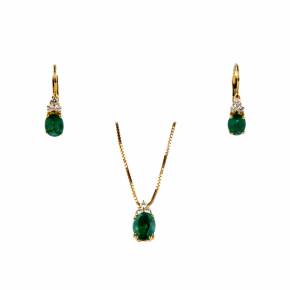
Giorgio Visconti. 18K gold pendant and earrings with emeralds and diamonds.
1600 EUR
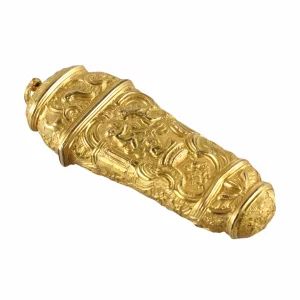
Necessaire. France 19th century.
1700 EUR
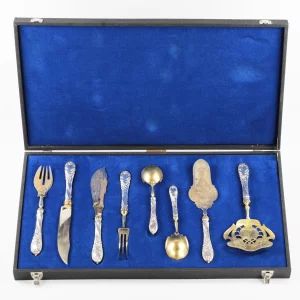
Silver serving set. 19-20th centuries. Germany.
800 EUR
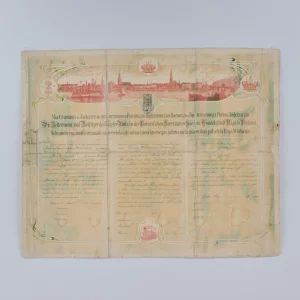
Riga stove-maker diploma in 1912.
180 EUR
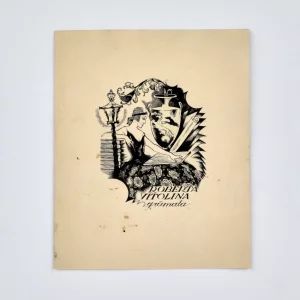
Bookplate - ink drawing. Book by Roberta Vītoliņa
50 EUR
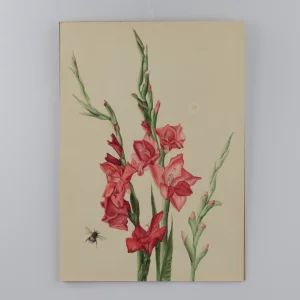
Burghardt. Watercolor The Bee and Gladioli.
70 EUR
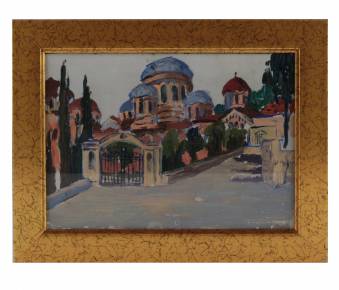
Study. New Athos Monastery 1954.
120 EUR
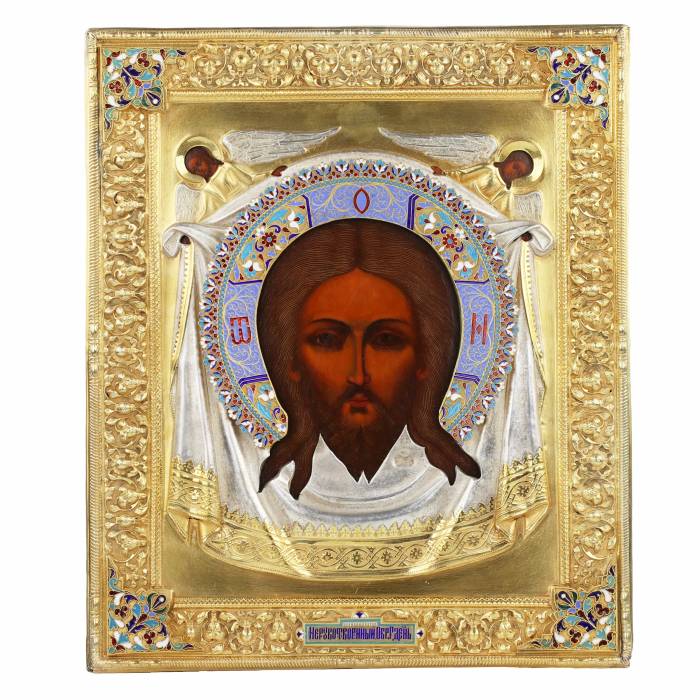
THE HOLY MANDYLION (SPAS NERUKOTVORNY) IN A SILVER-GILT ENAMELLED OKLAD BY IVAN TARABROV MOSCOW, RUSSIA, 1894
The Holy Mandylion (Spas Nerukotvorny) is an outstanding example of late 19th-century Russian Orthodox art, in which strict canonical tradition is harmoniously combined with the virtuoso craftsmanship of the Moscow silversmithing school. The image of Christ, executed in tempera on wood, is distinguished by the soft modelling of the features, profound inner concentration, and a penetrating, contemplative gaze. The composition is complemented by two angels holding the cloth bearing the miraculous image, reinforcing the theological meaning and emphasising the idea of divine revelation and heavenly protection.The icon is set within a sumptuous silver-gilt oklad created in 1894 in the renowned Moscow workshop of Ivan Filippovich Tarabrov. The oklad is richly adorned with cloisonné and champlevé enamels. The halo surrounding the face of Christ is decorated with an intricate ornamental design featuring deep blue, red, and white tones set against a gilt and blue ground. A distinctive characteristic of Tarabrov’s workshop is the use of gold foil beneath the red enamel, producing a luminous depth of colour and an inner radiance.The cloth (ubrus) bearing the image of Christ is embellished with finely chased decoration on a silver ground, its edges framed by raised ornamental patterns on gilt surfaces. The corner plaques are adorned with vegetal motifs executed in filigree with enamel infill. The fields of the oklad are further enriched with elegant high-relief vegetal ornamentation and bordered by engraved bands, lending the composition harmony and refinement. Every detail of the oklad testifies to exceptional precision of execution and refined artistic taste, enhancing the sacred and solemn character of the image.Marks: Cyrillic letters “IT” – maker’s mark of the silversmith Ivan Filippovich Tarabrov; Assay mark with the initials of the assay master “L•O” (Oleks Lev Fyodorovich) positioned above the date “1894”; Moscow city mark depicting Saint George slaying the dragon.Technique and materials: Wood, tempera; silver, gilding; cloisonné and champlevé enamels; chasing, engraving, filigree.Dimensions: 31.5 × 28 cm.
Bidding is completed
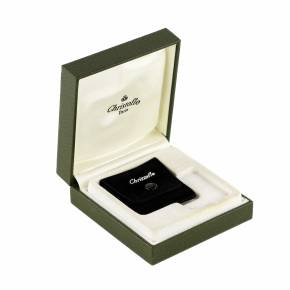
Christofle hand cigar cutter, in original box.
200 EUR
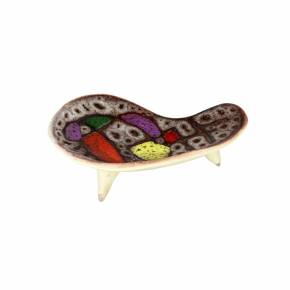
Ivan Puni. Ceramic candy bowl with pagoda glaze, mid-20th century.
580 EUR
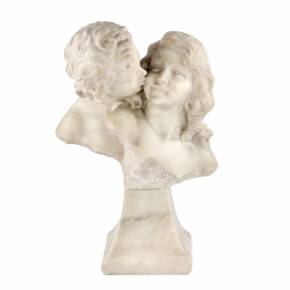
Stone composition Lovers. 20th century.
1300 EUR
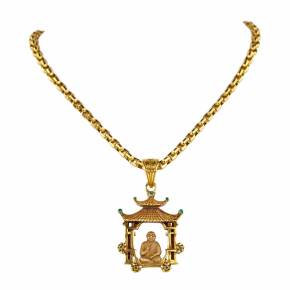
Pagoda medallion gold chain with meditating Buddha
5700 EUR
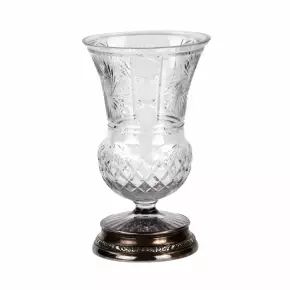
Crystal vase in silver.
1300 EUR
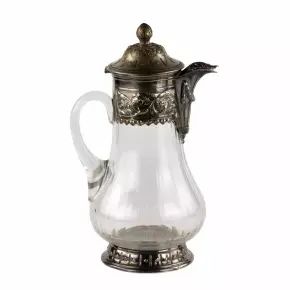
Wine jug, glass in silver.
850 EUR
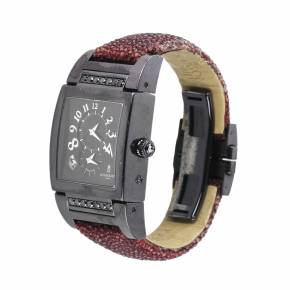
DE GRISOGONO UNO – WOMEN’S WATCH WITH AUTOMATIC MOVEMENT
3000 EUR
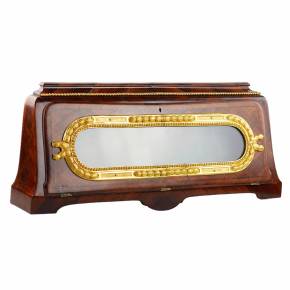
MEDAL DISPLAY CABINET EUROPE, TURN OF THE 19TH AND 20TH CENTURY
1500 EUR
...
13
14
15
16
17
18
19
...
84
Subscribe to our newsletter
Never miss new auctions
You have subscribed to our newsletter.
Subscribe
Your latest views
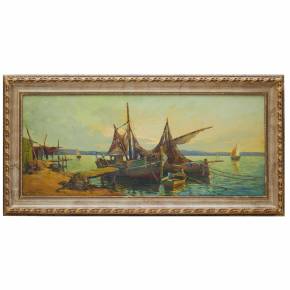
GEORGY ALEXANDROVICH LAPSHIN (1885–1950) FISHING BOATS FRANCE, 1930s
Bidding is completed
GOLD-MOUNTED MAGNIFYING GLASS WITH JASPER BODY EUROPE, SECOND HALF OF THE 19TH CENTURY
Bidding is completed
Landscape with boats
1470 EUR
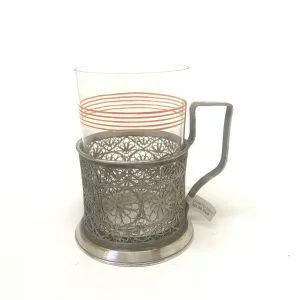
Cup holder Openwork flowers. USSR 20th century.
20 EUR
Children harp
550 EUR
Glass vase Carl S Lambert
500 EUR
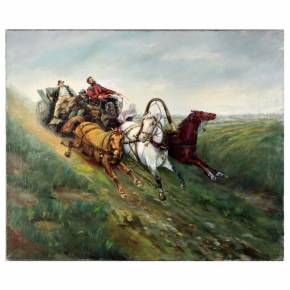
Painting Russian Troika.
950 EUR
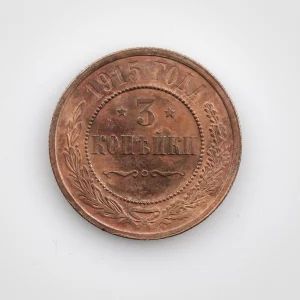
Copper 3 kopecks 1915.
5 EUR
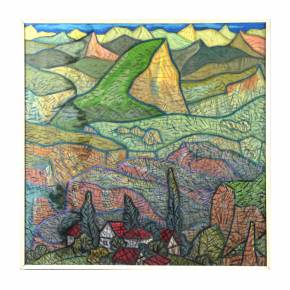
Igor Corti. In Crimea. 1970 g.
1150 EUR
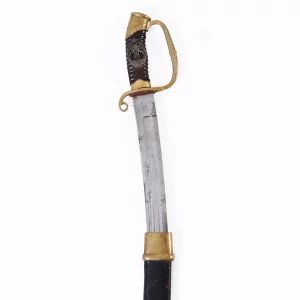
Russian Dragoon Officers&39; Sabre. Model 1910
Bidding is completed
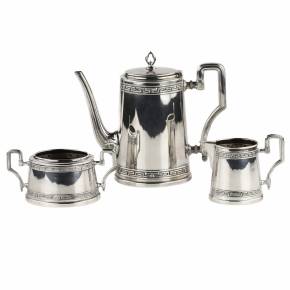
Three-piece coffee set. AE&Co.
260 EUR
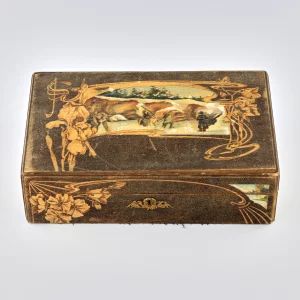
Art Nouveau style box.
150 EUR
Gold ring with diamonds.
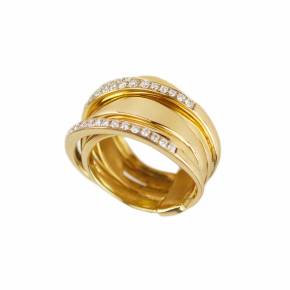
2400 EUR
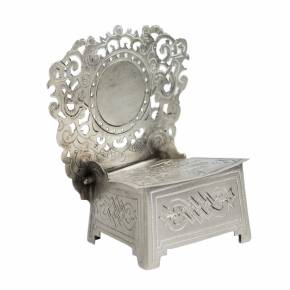
SILVER SALT CELLAR IN THE FORM OF A THRONE. MASTER P. P. MILYUKOV RUSSIAN EMPIRE, MOSCOW, 1895
Bidding is completed
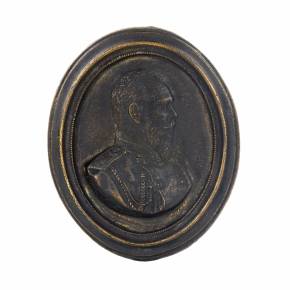
Medallion Alexander III. Kasli iron foundry.
550 EUR
Silver cigarette holder
350 EUR
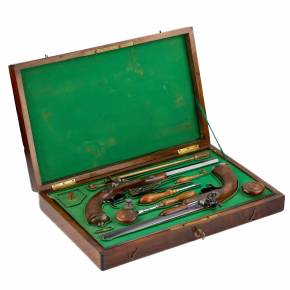
PAIR OF DUELLING PISTOLS BY JACQUES BERTRAND RUSSIA, ST PETERSBURG, MID-19th CENTURY
Bidding is completed
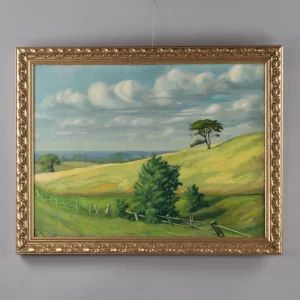
Kārlis Sūniņš. Summer Landscape. (1907-1979).
980 EUR
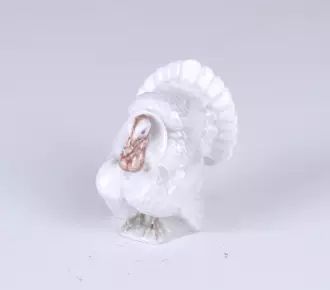
Porcelain turkey. Royal Copenhagen
180 EUR
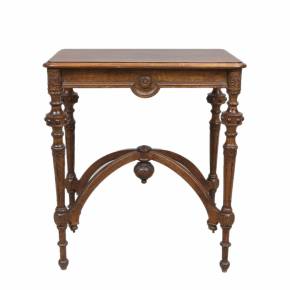
Napoleon III style walnut coffee table.
Bidding is completed
Start hunt for treasures!
Individual
Legal entity
Enter a name (min 3 characters)
Enter a Last name (min 3 characters)
Enter the email
User already exist
Algeria (+213)
Andorra (+376)
Angola (+244)
Anguilla (+1264)
Antigua & Barbuda (+1268)
Argentina (+54)
Armenia (+374)
Aruba (+297)
Australia (+61)
Austria (+43)
Azerbaijan (+994)
Bahamas (+1242)
Bahrain (+973)
Bangladesh (+880)
Barbados (+1246)
Belarus (+375)
Belgium (+32)
Belize (+501)
Benin (+229)
Bermuda (+1441)
Bhutan (+975)
Bolivia (+591)
Bosnia Herzegovina (+387)
Botswana (+267)
Brazil (+55)
Brunei (+673)
Bulgaria (+359)
Burkina Faso (+226)
Burundi (+257)
Cambodia (+855)
Cameroon (+237)
Canada (+1)
Cape Verde Islands (+238)
Cayman Islands (+1345)
Central African Republic (+236)
Chile (+56)
China (+86)
Colombia (+57)
Comoros (+269)
Congo (+242)
Cook Islands (+682)
Costa Rica (+506)
Croatia (+385)
Cuba (+53)
Cyprus North (+90392)
Cyprus South (+357)
Czech Republic (+42)
Denmark (+45)
Djibouti (+253)
Dominica (+1809)
Dominican Republic (+1809)
Ecuador (+593)
Egypt (+20)
El Salvador (+503)
Equatorial Guinea (+240)
Eritrea (+291)
Estonia (+372)
Ethiopia (+251)
Falkland Islands (+500)
Faroe Islands (+298)
Fiji (+679)
Finland (+358)
France (+33)
French Guiana (+594)
French Polynesia (+689)
Gabon (+241)
Gambia (+220)
Georgia (+7880)
Germany (+49)
Ghana (+233)
Gibraltar (+350)
Greece (+30)
Greenland (+299)
Grenada (+1473)
Guadeloupe (+590)
Guam (+671)
Guatemala (+502)
Guinea (+224)
Guinea - Bissau (+245)
Guyana (+592)
Haiti (+509)
Honduras (+504)
Hong Kong (+852)
Hungary (+36)
Iceland (+354)
India (+91)
Indonesia (+62)
Iran (+98)
Iraq (+964)
Ireland (+353)
Israel (+972)
Italy (+39)
Jamaica (+1876)
Japan (+81)
Jordan (+962)
Kazakhstan (+7)
Kenya (+254)
Kiribati (+686)
Korea North (+850)
Korea South (+82)
Kuwait (+965)
Kyrgyzstan (+996)
Laos (+856)
Latvia (+371)
Lebanon (+961)
Lesotho (+266)
Liberia (+231)
Libya (+218)
Liechtenstein (+417)
Lithuania (+370)
Luxembourg (+352)
Macao (+853)
Macedonia (+389)
Madagascar (+261)
Malawi (+265)
Malaysia (+60)
Maldives (+960)
Mali (+223)
Malta (+356)
Marshall Islands (+692)
Martinique (+596)
Mauritania (+222)
Mayotte (+269)
Mexico (+52)
Micronesia (+691)
Moldova (+373)
Monaco (+377)
Mongolia (+976)
Montserrat (+1664)
Morocco (+212)
Mozambique (+258)
Myanmar (+95)
Namibia (+264)
Nauru (+674)
Nepal (+977)
Netherlands (+31)
New Caledonia (+687)
New Zealand (+64)
Nicaragua (+505)
Niger (+227)
Nigeria (+234)
Niue (+683)
Norfolk Islands (+672)
Northern Marianas (+670)
Norway (+47)
Oman (+968)
Palau (+680)
Panama (+507)
Papua New Guinea (+675)
Paraguay (+595)
Peru (+51)
Philippines (+63)
Poland (+48)
Portugal (+351)
Puerto Rico (+1787)
Qatar (+974)
Reunion (+262)
Romania (+40)
Russia (+7)
Rwanda (+250)
San Marino (+378)
Sao Tome & Principe (+239)
Saudi Arabia (+966)
Senegal (+221)
Serbia (+381)
Seychelles (+248)
Sierra Leone (+232)
Singapore (+65)
Slovak Republic (+421)
Slovenia (+386)
Solomon Islands (+677)
Somalia (+252)
South Africa (+27)
Spain (+34)
Sri Lanka (+94)
St. Helena (+290)
St. Kitts (+1869)
St. Lucia (+1758)
Sudan (+249)
Suriname (+597)
Swaziland (+268)
Sweden (+46)
Switzerland (+41)
Syria (+963)
Taiwan (+886)
Tajikstan (+7)
Thailand (+66)
Togo (+228)
Tonga (+676)
Trinidad & Tobago (+1868)
Tunisia (+216)
Turkey (+90)
Turkmenistan (+7)
Turkmenistan (+993)
Turks & Caicos Islands (+1649)
Tuvalu (+688)
Uganda (+256)
UK (+44)
Ukraine (+380)
United Arab Emirates (+971)
Uruguay (+598)
USA (+1)
Uzbekistan (+7)
Vanuatu (+678)
Vatican City (+379)
Venezuela (+58)
Vietnam (+84)
Virgin Islands - British (+1284)
Virgin Islands - US (+1340)
Wallis & Futuna (+681)
Yemen (North)(+969)
Yemen (South)(+967)
Zambia (+260)
Zimbabwe (+263)
Enter the phone number
Minimum password length must be at least 6 characters
Enter a name of your company (min 3 characters)
Enter registration number (min 3 characters)
Enter the email
User already exist
Enter the phone number
Minimum password length must be at least 6 characters
I am a buyer
I am a seller
or log in with
Sign up for our weekly newsletter
I reviewed and agree
user agreement
,
«Privacy Policy»
i agree with Antiqon Terms and conditions
Register
Already have an account?
Log In
Enter your email and password for authorization
Enter the email
The number of attempts has been used uo, repeat after 2 hours
Minimum password length must be at least 6 characters
Invalid email or password
or log in with
Login
Forgot password?
Don't have an account?
register