EUR
EUR
USD
English
Latviešu
Francais
English
Русский
Sign Up
Login
Auction
Best sellers
Upcomming auctions
Archive
Shop
Sell
Evaluation
Services
Expertise
Restoration
Antiq selection
Delivery
Contacts
Home
Shop
Show sold items
Show auction items
Available right now
Price
-
EUR
New items
Gifts
EXCLUSIVE
Catalogue categories
ALL ITEMS
Russian art
Objects of Vertu (8)
+
Objects of Vertu (8)
Paintings (702)
+
Paintings (665)
Watercolor (22)
Miniature (3)
Other (12)
Graphic arts (47)
+
Graphic arts (47)
Icons (24)
+
Icons (22)
Church utensils (2)
Frames and easels (43)
+
Frames (29)
Easels (3)
Photo frames (11)
Sculpture (61)
+
Bronze sculptures (32)
Stone sculptures (9)
Stone carving miniature (6)
Other (14)
Silver and metal (194)
+
Russian silver (69)
European silver (57)
Other (68)
Porcelain and ceramics (356)
+
Russian porcelain (23)
European porcelain (119)
Other (214)
Glass (52)
+
Crystal (5)
Glass (47)
Clocks and watches (23)
+
Mantel clocks (8)
Wall clocks (3)
Wrist watches (7)
Pocket watches (1)
Grandfather floor clocks (1)
Other (3)
Furniture (158)
+
Furniture sets (8)
Showcases (32)
Dressers (10)
Tables (32)
Sofas (3)
Armchairs and chairs (17)
Columns (4)
Mirrors (10)
Consoles (12)
Other (30)
Lighting (53)
+
Chandeliers (12)
Sconce (8)
Floor lamps (4)
Lamps (17)
Candlesticks and candelabra (11)
Other (1)
Interior objects (36)
+
Interior objects (36)
Fireplaces and stoves (15)
+
Fireplaces and stoves (5)
Accessories (9)
Other (1)
Carpets and tapestries (2)
+
Carpets (1)
Tapestries (1)
Jewelry (127)
+
Diamonds and precious stones (0)
Rings (55)
Bracelets (7)
Brooches and pendants (2)
Earrings (9)
Jewelry sets (4)
Chains and necklaces (11)
Amber (0)
Bijoux (1)
Other (38)
Weapons and мilitary (19)
+
Weapon (11)
Military (5)
Other (2)
Armour (1)
Orders and medals (4)
+
Orders and medals (3)
Signs and Tokens (0)
Other (1)
Coins and banknotes (17)
+
Coins (17)
Banknotes and Bonds (0)
Other (0)
Mechanics (15)
+
Music boxes (9)
Mechanisms and tools (4)
Models (0)
Other (2)
Print, postcards and other antique paper production (9)
+
Posters (2)
Maps (3)
Postcards (0)
Photos (0)
Other (4)
Books (8)
+
Literature (2)
History (1)
Military (0)
Science (1)
Children`s literature (0)
Other (4)
Garden and architecture (2)
+
Garden sculpture (0)
Fountain (0)
Garden furniture (0)
Architectural elements (2)
Other (0)
Modern Art (71)
+
Paintings (10)
Sculpture (18)
Objects (28)
Other (15)
Collectibles (14)
+
Collectibles (14)
Vintage and fashion (2)
+
Accessories (2)
Clothing (0)
Footwear (0)
Other (0)
Other (9)
+
Other (9)
Asian art
Styles
Louis-Philippe Carl X (11)
Academic art (1)
Antiquity (11)
Art Deco (64)
Art Nouveau (25)
Asian Art (10)
Baroque (25)
Biedermeier (11)
Boulle (3)
Chinoiserie (6)
Classicism (25)
Design of 50-60’s (10)
Design of 70’s (7)
Eclecticism (58)
Empire (28)
Empire - Consulate (1)
Gothic (1)
Gothic Revival (2)
Impressionism (18)
Judaica (2)
Jugendstil (11)
Louis XIII - Renaissance (2)
Louis XIV - Regency (2)
Louis XV (29)
Louis XVI (33)
Modern (101)
Modern Art (162)
Napoleon III (41)
Neo-Baroque (13)
Neo-baroque (4)
Neo-Russian (25)
Neoclassicism (32)
Neorenaissance (4)
Neorococo (33)
Oriental Art (4)
Other style (71)
Realism (50)
Renaissance (7)
Rococo (39)
Romanticism (23)
Vanguard (20)
Victorian Style (3)
Epoques
16th century (2)
17th century (4)
18th century (28)
19th century (286)
20th century (332)
21th century (350)
At the turn of 17th-18th century (2)
At the turn of 19th -20th century (183)
At the turn of the 15th - 16th century (4)
At the turn of the 18th -19th century (12)
Early 17th century (1)
Early 18th century (1)
Early 19th century (18)
Early 20th century (391)
Late 18th century (2)
Late 19th century (90)
Mid-17th century (14)
Mid-18th century (1)
Mid-19th century (35)
Mid-20th century (277)
The end of the 17th century (1)
The end of the 20th century (44)
Price (descending)
Price (ascending)
Date (ascending)
Date (descending)
...
25
26
27
28
29
30
31
...
87
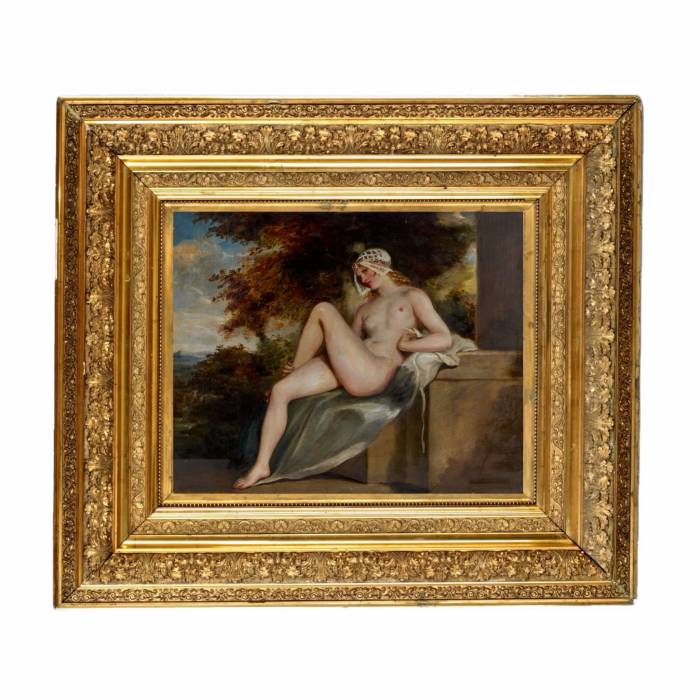
NUDE. WILLIAM ETTY (1787 - 1849) ENGLAND, EARLY 19TH CENTURY
A refined example of early 19th-century English academic painting, embodying one of the central themes in the oeuvre of William Etty - the study of the human form through the lens of Classical tradition. The composition is constructed along a diagonal axis: the reclining nude figure is placed freely upon a stone ledge partially covered with drapery, creating an atmosphere of natural ease and painterly spontaneity.The heroine is gently illuminated, her skin rendered in delicate pearlescent tones characteristic of Etty’s technique, in which sensuality is balanced by academic discipline. The surrounding landscape, suggestive of an English park with dense foliage and an opening vista, enhances the Romantic atmosphere of secluded idyll. Nature and beauty are united in a harmonious visual dialogue, echoing the poetic sensibility that marked the transition from late Neoclassicism to early Romanticism.For Etty, the nude was never a provocation but the highest embodiment of artistic ideal, rooted in the Venetian tradition of the sixteenth century. His admiration for Titian and Veronese informed his mastery of colour and layered glazing, producing a luminous surface and a palpable richness of paint.On the reverse of the canvas appears the supplier’s stamp of Roberson & Miller, 51 Long Acre, London, a distinguished 19th-century London colorman whose materials were widely used by leading British artists. Additional collector and auction labels further attest to the painting’s presence within the art market.Dimensions: 45.5 x 57.5 cm (without frame).Material: Oil on canvas.Condition: Good collector’s condition. The paint layer is stable, with natural age-related craquelure consistent with the period. No evidence of intrusive restoration is visible.Provenance: Private European collection. Owner’s stamps and auction numbers on the reverse.
12500 EUR
European School, Portrait of a Lady with Cat, Mid-20th Century.
2450 EUR
German School, Oil on Canvas, Scene of a Shipwreck, Indistinctly Signed, Dated 1840.
890 EUR
Fish Market by A. Baumgartner (Austrian, 19th Century)
1230 EUR
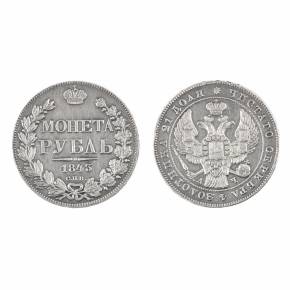
Silver Ruble 1843. Russia - Nicholas I (1825-1855).
550 EUR
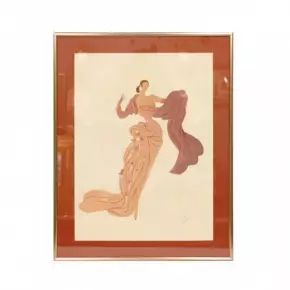
Drawing from the Stage Costumes series. Erte
500 EUR
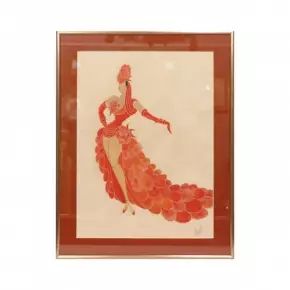
Drawing from the series Stage costumes Erte
500 EUR
Winter Landscape by Theodore Donaldson (20th Century, USA)
670 EUR
Gudbrandsdal Landscape by Atle Urdal (1913–1988), Oil on Plate. Norway.
1340 EUR
Russian Still Life with Samovar, 19th Century, Oil on Canvas
1560 EUR
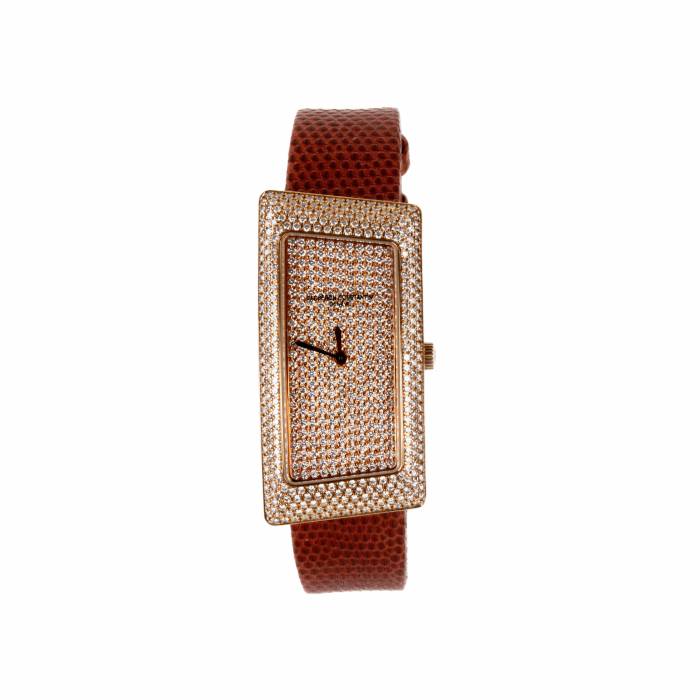
VACHERON CONSTANTIN 1972 GRAND CURVED. LADY’S DIAMOND ROSE GOLD WATCH SWITZERLAND, LATE 20TH – EARLY 21ST CENTURY
An exquisite lady’s wristwatch from the Vacheron Constantin 1972 Grand Curved collection, distinguished by its characteristic asymmetric case inspired by the Art Deco aesthetic and the iconic 1972 model. The 18K rose gold case is entirely set with brilliant-cut round diamonds in a dense and perfectly aligned pavé setting across the bezel and dial. The total diamond weight is approximately 3.93 carats.The dial is fully pavé-set, allowing the minimalist hands to stand out in elegant contrast. The watch is powered by a quartz movement, caliber 1202, ensuring precision and reliability. A sapphire crystal provides excellent scratch resistance. Water resistance is rated to 30 meters, suitable for everyday wear.The watch is fitted with a new leather strap in a refined tone complementing the rose gold case. The 18K gold buckle is also set with round brilliant-cut diamonds, continuing the cohesive jewelry concept of the piece. Presented with its original fitted box.Hallmarks: Vacheron Constantin signature on the dial; 18K gold hallmarks on the case and buckle; serial and reference numbers engraved on the case back.Dimensions: Case length approximately 35 mm; width approximately 20 mm (excluding crown).Weight: 18K rose gold. Total diamond weight approximately 3.93 carats.Condition: Excellent. New strap. Case and crystal free from visible damage. Movement functioning properly.Provenance: Private collection.
17500 EUR
Porcelain candlesticks Chinese (2 pcs.)
1230 EUR
Porcelain figurine Hare
2000 EUR
Crystal vase with silver finish
510 EUR
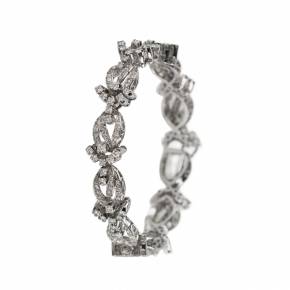
White gold bracelet with diamond flower links.
8700 EUR
Flemish School, Birds Feeding in Nest, Late 18th Century, Oil on Panel
1560 EUR
Juri Saarikoski (Finland, Born 1961), Portrait of His Dying Father, 1983
890 EUR
Russian School, 18th Century: Man Combing His Hair, Oil on Canvas
1670 EUR
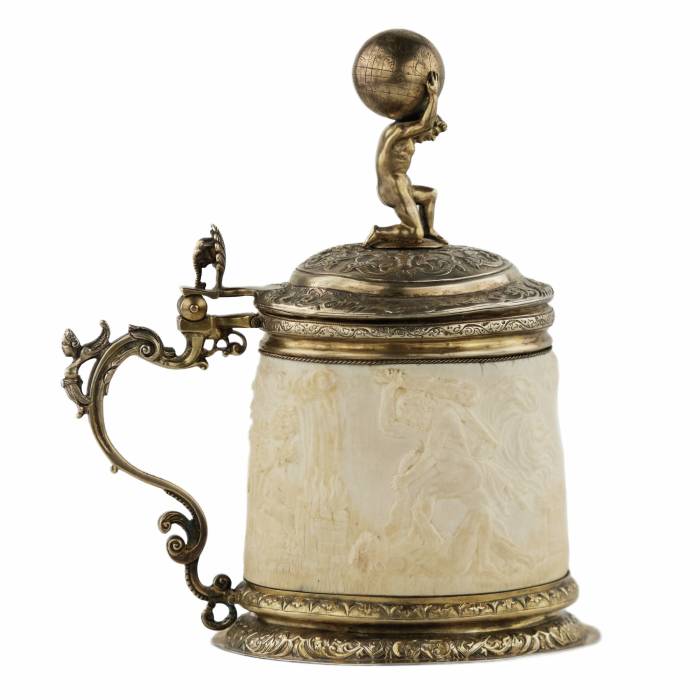
SILVER BEER TANKARD WITH ATLAS AND CARVED IVORY RELIGIOUS SCENES LÜBECK, FREE IMPERIAL CITY, 17TH CENTURY
A monumental ceremonial Hanseatic beer tankard executed in chased and parcel-gilt silver, with a cylindrical body encased in a single carved ivory sleeve. The vessel belongs to the prestigious category of guild presentation cups combining ceremonial function with theological symbolism.The iconographic program unfolds in high relief and includes The Fall of Man, The Sacrifice of Cain and Abel, and The Transfiguration. The sequence forms a theological narrative of redemption – from original sin to divine transformation. The carving is executed from a single solid section of ivory with refined modeling and deeply articulated background.The hinged cover is engraved with Romano-Gothic ornament incorporating hops, mascarons and cornucopia motifs. The finial takes the form of a kneeling Atlas supporting a globe engraved with geographical names; among them appears Riga, symbolically referring to Lübeck’s Hanseatic connection with the Baltic trading world.The borders and foot are decorated with a diamond-pattern frieze featuring marine chimeras. The cast Rocaille handle is adorned with a winged maiden and a thumb rest formed as a shell. The interior is gilt.Hallmarks: On the base: rectangular assay mark “13” (13-loth standard, approximately 812 silver); circular city mark of Lübeck with the imperial double-headed eagle; maker’s mark depicting a tree within a hexagonal shield. The combination corresponds to Lübeck’s 17th-century hallmarking system.Dimensions: Height 23 cm.Weight: 685 g.Condition: Good museum condition. Age-related stable cracks to the ivory without loss of carving. Silver with noble patina and partial wear to gilding on raised areas. Hinge and cover functioning correctly.Provenance: Private European collection. CITES certificate for ivory No. BA-S-0332023.
6500 EUR
Plates Angels 2 pcs.
670 EUR
Porcelain figurine Girl with a fish
450 EUR
Earthenware vessel
340 EUR
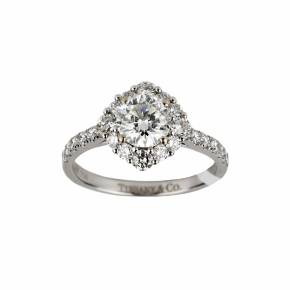
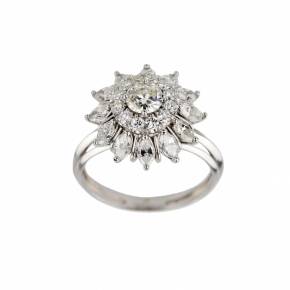
Ring in white gold 750 with diamonds.
6800 EUR
Gold ring with diamonds.
3800 EUR
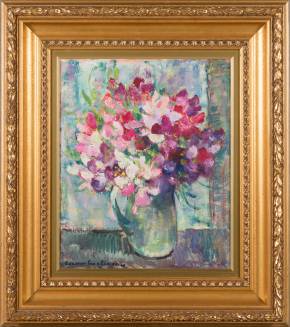
Still life Flowers in a jug. Anna Snellman. Finland, 1884-1962
2200 EUR
Rare RPR plate with rose decoration
390 EUR
Murano glass vase
640 EUR
...
25
26
27
28
29
30
31
...
87
Subscribe to our newsletter
Never miss new auctions
You have subscribed to our newsletter.
Subscribe
Your latest views
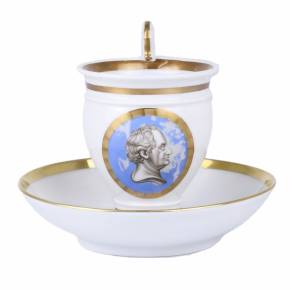
Porcelain coffee pair
150 EUR
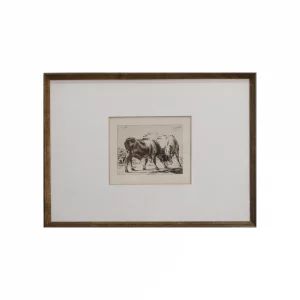
Engraving "Bulls"
80 EUR
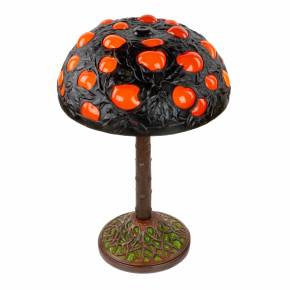
Tiffany style lamp. Orange tree .
1300 EUR
Cats love
5340 EUR
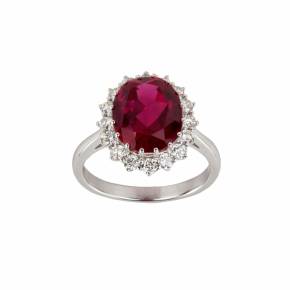
White gold ring with synthetic ruby and diamonds.
1300 EUR
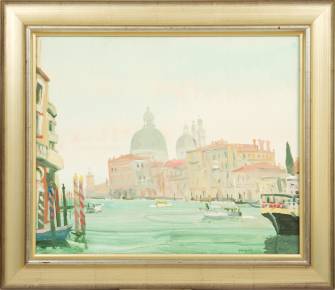
Venice landscape
1340 EUR
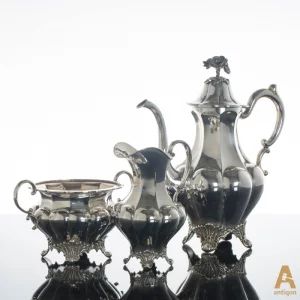
Coffee service
260 EUR
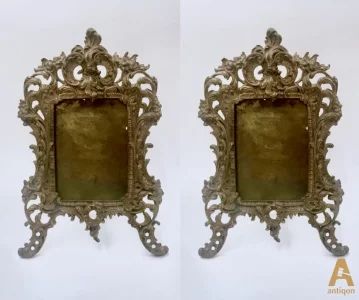
Couple photo frames
300 EUR
Vase. Sevres.
850 EUR
Pocelain figure Buddha
340 EUR
Near the mirror
1070 EUR
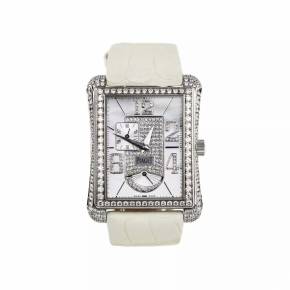
GOLD PIAGET BLACK TIE EMPERADOR WATCH SWITZERLAND
9500 EUR
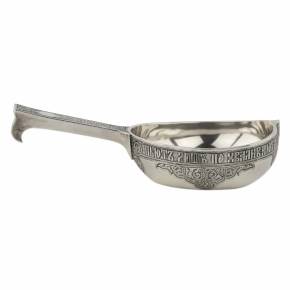
RUSSIAN PRESENTATION SILVER KOVSH RUSSIA, MOSCOW, 1883
3300 EUR
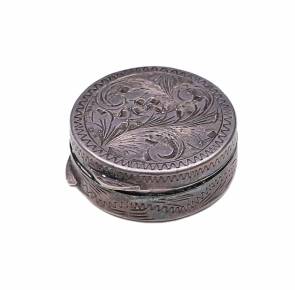
Silver snuffbox.
80 EUR
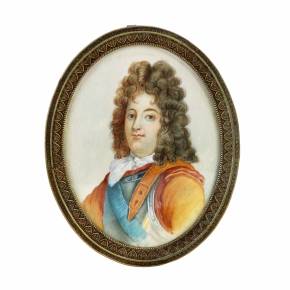
Louis XIV miniature.
170 EUR
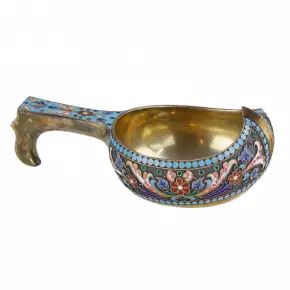
Russian silver kovsh
2300 EUR
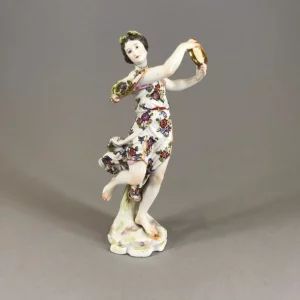
Girl with a tambourine. OSWALD LORENZ
230 EUR
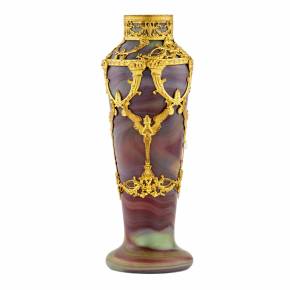
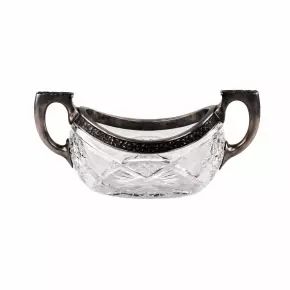
Crystal vase in silver.
1300 EUR
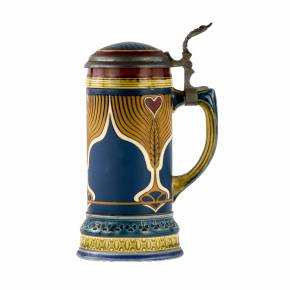
Painted ceramic beer mug Metlach.
280 EUR
RESERVED
Grand Canal Venice
2670 EUR
Start hunt for treasures!
Individual
Legal entity
Enter a name (min 3 characters)
Enter a Last name (min 3 characters)
Enter the email
User already exist
Algeria (+213)
Andorra (+376)
Angola (+244)
Anguilla (+1264)
Antigua & Barbuda (+1268)
Argentina (+54)
Armenia (+374)
Aruba (+297)
Australia (+61)
Austria (+43)
Azerbaijan (+994)
Bahamas (+1242)
Bahrain (+973)
Bangladesh (+880)
Barbados (+1246)
Belarus (+375)
Belgium (+32)
Belize (+501)
Benin (+229)
Bermuda (+1441)
Bhutan (+975)
Bolivia (+591)
Bosnia Herzegovina (+387)
Botswana (+267)
Brazil (+55)
Brunei (+673)
Bulgaria (+359)
Burkina Faso (+226)
Burundi (+257)
Cambodia (+855)
Cameroon (+237)
Canada (+1)
Cape Verde Islands (+238)
Cayman Islands (+1345)
Central African Republic (+236)
Chile (+56)
China (+86)
Colombia (+57)
Comoros (+269)
Congo (+242)
Cook Islands (+682)
Costa Rica (+506)
Croatia (+385)
Cuba (+53)
Cyprus North (+90392)
Cyprus South (+357)
Czech Republic (+42)
Denmark (+45)
Djibouti (+253)
Dominica (+1809)
Dominican Republic (+1809)
Ecuador (+593)
Egypt (+20)
El Salvador (+503)
Equatorial Guinea (+240)
Eritrea (+291)
Estonia (+372)
Ethiopia (+251)
Falkland Islands (+500)
Faroe Islands (+298)
Fiji (+679)
Finland (+358)
France (+33)
French Guiana (+594)
French Polynesia (+689)
Gabon (+241)
Gambia (+220)
Georgia (+7880)
Germany (+49)
Ghana (+233)
Gibraltar (+350)
Greece (+30)
Greenland (+299)
Grenada (+1473)
Guadeloupe (+590)
Guam (+671)
Guatemala (+502)
Guinea (+224)
Guinea - Bissau (+245)
Guyana (+592)
Haiti (+509)
Honduras (+504)
Hong Kong (+852)
Hungary (+36)
Iceland (+354)
India (+91)
Indonesia (+62)
Iran (+98)
Iraq (+964)
Ireland (+353)
Israel (+972)
Italy (+39)
Jamaica (+1876)
Japan (+81)
Jordan (+962)
Kazakhstan (+7)
Kenya (+254)
Kiribati (+686)
Korea North (+850)
Korea South (+82)
Kuwait (+965)
Kyrgyzstan (+996)
Laos (+856)
Latvia (+371)
Lebanon (+961)
Lesotho (+266)
Liberia (+231)
Libya (+218)
Liechtenstein (+417)
Lithuania (+370)
Luxembourg (+352)
Macao (+853)
Macedonia (+389)
Madagascar (+261)
Malawi (+265)
Malaysia (+60)
Maldives (+960)
Mali (+223)
Malta (+356)
Marshall Islands (+692)
Martinique (+596)
Mauritania (+222)
Mayotte (+269)
Mexico (+52)
Micronesia (+691)
Moldova (+373)
Monaco (+377)
Mongolia (+976)
Montserrat (+1664)
Morocco (+212)
Mozambique (+258)
Myanmar (+95)
Namibia (+264)
Nauru (+674)
Nepal (+977)
Netherlands (+31)
New Caledonia (+687)
New Zealand (+64)
Nicaragua (+505)
Niger (+227)
Nigeria (+234)
Niue (+683)
Norfolk Islands (+672)
Northern Marianas (+670)
Norway (+47)
Oman (+968)
Palau (+680)
Panama (+507)
Papua New Guinea (+675)
Paraguay (+595)
Peru (+51)
Philippines (+63)
Poland (+48)
Portugal (+351)
Puerto Rico (+1787)
Qatar (+974)
Reunion (+262)
Romania (+40)
Russia (+7)
Rwanda (+250)
San Marino (+378)
Sao Tome & Principe (+239)
Saudi Arabia (+966)
Senegal (+221)
Serbia (+381)
Seychelles (+248)
Sierra Leone (+232)
Singapore (+65)
Slovak Republic (+421)
Slovenia (+386)
Solomon Islands (+677)
Somalia (+252)
South Africa (+27)
Spain (+34)
Sri Lanka (+94)
St. Helena (+290)
St. Kitts (+1869)
St. Lucia (+1758)
Sudan (+249)
Suriname (+597)
Swaziland (+268)
Sweden (+46)
Switzerland (+41)
Syria (+963)
Taiwan (+886)
Tajikstan (+7)
Thailand (+66)
Togo (+228)
Tonga (+676)
Trinidad & Tobago (+1868)
Tunisia (+216)
Turkey (+90)
Turkmenistan (+7)
Turkmenistan (+993)
Turks & Caicos Islands (+1649)
Tuvalu (+688)
Uganda (+256)
UK (+44)
Ukraine (+380)
United Arab Emirates (+971)
Uruguay (+598)
USA (+1)
Uzbekistan (+7)
Vanuatu (+678)
Vatican City (+379)
Venezuela (+58)
Vietnam (+84)
Virgin Islands - British (+1284)
Virgin Islands - US (+1340)
Wallis & Futuna (+681)
Yemen (North)(+969)
Yemen (South)(+967)
Zambia (+260)
Zimbabwe (+263)
Enter the phone number
Minimum password length must be at least 6 characters
Enter a name of your company (min 3 characters)
Enter registration number (min 3 characters)
Enter the email
User already exist
Enter the phone number
Minimum password length must be at least 6 characters
I am a buyer
I am a seller
or log in with
Sign up for our weekly newsletter
I reviewed and agree
user agreement
,
«Privacy Policy»
i agree with Antiqon Terms and conditions
Register
Already have an account?
Log In
Enter your email and password for authorization
Enter the email
The number of attempts has been used uo, repeat after 2 hours
Minimum password length must be at least 6 characters
Invalid email or password
or log in with
Login
Forgot password?
Don't have an account?
register