USD
EUR
USD
English
Latviešu
Francais
English
Русский
Sign Up
Login
Auction
Best sellers
Upcomming auctions
Archive
Shop
Sell
Evaluation
Services
Expertise
Restoration
Antiq selection
Delivery
Contacts
Home
Shop
Paintings
Miniature
Show sold items
Show auction items
Available right now
Price
-
USD
New items
Gifts
EXCLUSIVE
Catalogue categories
ALL ITEMS
Russian art
Objects of Vertu (19)
+
Objects of Vertu (19)
Paintings (640)
+
Paintings (605)
Watercolor (20)
Miniature (3)
Other (12)
Graphic arts (50)
+
Graphic arts (50)
Icons (38)
+
Icons (34)
Church utensils (4)
Frames and easels (43)
+
Frames (28)
Easels (3)
Photo frames (12)
Sculpture (61)
+
Bronze sculptures (33)
Stone sculptures (9)
Stone carving miniature (6)
Other (13)
Silver and metal (248)
+
Russian silver (105)
European silver (69)
Other (74)
Porcelain and ceramics (347)
+
Russian porcelain (23)
European porcelain (111)
Other (213)
Glass (52)
+
Crystal (5)
Glass (47)
Clocks and watches (26)
+
Mantel clocks (8)
Wall clocks (3)
Wrist watches (7)
Pocket watches (5)
Grandfather floor clocks (1)
Other (2)
Furniture (150)
+
Furniture sets (8)
Showcases (26)
Dressers (10)
Tables (33)
Sofas (3)
Armchairs and chairs (17)
Columns (5)
Mirrors (8)
Consoles (10)
Other (30)
Lighting (55)
+
Chandeliers (12)
Sconce (8)
Floor lamps (4)
Lamps (18)
Candlesticks and candelabra (12)
Other (1)
Interior objects (35)
+
Interior objects (35)
Fireplaces and stoves (16)
+
Fireplaces and stoves (6)
Accessories (9)
Other (1)
Carpets and tapestries (2)
+
Carpets (1)
Tapestries (1)
Jewelry (124)
+
Diamonds and precious stones (0)
Rings (50)
Bracelets (7)
Brooches and pendants (2)
Earrings (10)
Jewelry sets (4)
Chains and necklaces (11)
Amber (0)
Bijoux (1)
Other (39)
Weapons and мilitary (20)
+
Weapon (12)
Military (5)
Other (2)
Armour (1)
Orders and medals (4)
+
Orders and medals (3)
Signs and Tokens (0)
Other (1)
Coins and banknotes (17)
+
Coins (17)
Banknotes and Bonds (0)
Other (0)
Mechanics (15)
+
Music boxes (9)
Mechanisms and tools (4)
Models (0)
Other (2)
Print, postcards and other antique paper production (9)
+
Posters (3)
Maps (2)
Postcards (0)
Photos (0)
Other (4)
Books (5)
+
Literature (1)
History (1)
Military (0)
Science (1)
Children`s literature (0)
Other (2)
Garden and architecture (2)
+
Garden sculpture (0)
Fountain (0)
Garden furniture (0)
Architectural elements (2)
Other (0)
Modern Art (72)
+
Paintings (10)
Sculpture (18)
Objects (29)
Other (15)
Collectibles (15)
+
Collectibles (15)
Vintage and fashion (2)
+
Accessories (2)
Clothing (0)
Footwear (0)
Other (0)
Other (9)
+
Other (9)
Asian art
Styles
Louis-Philippe Carl X (11)
Academic art (3)
Antiquity (9)
Art Deco (63)
Art Nouveau (26)
Asian Art (12)
Baroque (26)
Biedermeier (10)
Boulle (4)
Chinoiserie (6)
Classicism (31)
Design of 50-60’s (10)
Design of 70’s (6)
Eclecticism (53)
Empire (29)
Empire - Consulate (1)
Gothic (1)
Gothic Revival (3)
Impressionism (22)
Judaica (2)
Jugendstil (10)
Louis XIII - Renaissance (2)
Louis XIV - Regency (1)
Louis XV (32)
Louis XVI (38)
Modern (107)
Modern Art (98)
Napoleon III (41)
Neo-Baroque (10)
Neo-baroque (5)
Neo-Russian (54)
Neoclassicism (38)
Neorenaissance (13)
Neorococo (37)
Oriental Art (5)
Other style (62)
Realism (51)
Renaissance (7)
Rococo (38)
Romanticism (30)
Vanguard (20)
Victorian Style (4)
Epoques
16th century (2)
17th century (4)
18th century (28)
19th century (331)
20th century (331)
21th century (269)
At the turn of 16th -17th century (1)
At the turn of 17th-18th century (1)
At the turn of 19th -20th century (201)
At the turn of the 15th - 16th century (4)
At the turn of the 18th -19th century (12)
Early 17th century (1)
Early 18th century (1)
Early 19th century (20)
Early 20th century (402)
Late 18th century (3)
Late 19th century (99)
Mid-17th century (14)
Mid-18th century (1)
Mid-19th century (38)
Mid-20th century (272)
The end of the 17th century (1)
The end of the 20th century (45)
Price (descending)
Price (ascending)
Date (ascending)
Date (descending)
...
63
64
65
66
67
68
69
...
87
SILVER CABINET FIGURE OF A KNIGHT. J. KURZ & CO. GERMANY, HANAU, TURN OF THE 19TH - 20TH CENTURIES
A sculptural figure of a knight in full armour, executed in silver in the tradition of early twentieth century Historicism. The composition depicts a standing knight of the late Medieval period, clad in richly decorated plate armour engraved with ornamental motifs. In his right hand the figure holds a long sword, while the left hand supports a shield with a relief representation of a knight. The pose is solemn and static, emphasizing the monumental character of the composition and its decorative function.The surface of the armour is carefully worked and enriched with elaborate vegetal ornament executed in engraving and repoussé techniques. The breastplate, belt and protective elements of the armour are decorated with complex ornamental patterns creating a textured metallic surface. The helmet is crowned with a decorative plume, while selected details of the armour are highlighted with partial gilding.Particular expressiveness is achieved through the face carved in ivory, creating a striking contrast with the cool sheen of the silver armour. The figure stands on a substantial architectural base decorated with relief panels depicting historical scenes and small sculptural figures at the corners. The pedestal features a complex composition with oval medallions and ornamental friezes executed in repoussé.The stylistic language of the sculpture draws inspiration from the European sculptural tradition of the Renaissance and the late Medieval period. Works of this type represent a characteristic example of decorative silver produced by the workshops of Hanau, renowned for their mastery in historicist sculpture and objects of high artistic quality.Marks: German national silver mark with crescent and crown; fineness mark “800”; maker’s mark “JK” with a swan, workshop of J. Kurz & Co., Hanau.Dimensions: Height 43.2 cm.Weight: 1778 g.Condition: Good. Silver with natural patina of age. Minor traces of use. Partial gilding preserved.Provenance: Private collection, Hesse.
Begins 03.05.2026
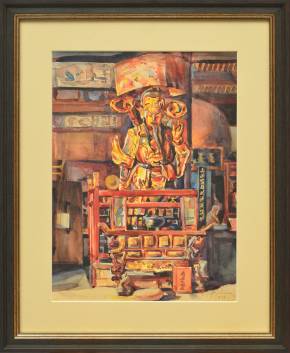
God of war
750 USD
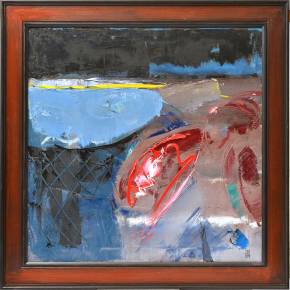
Abstraction
2342 USD
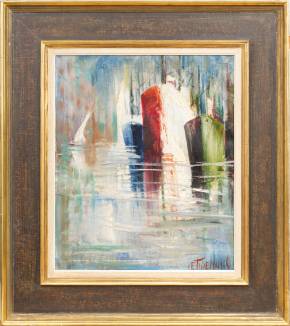
Boats in the harbor
8979 USD
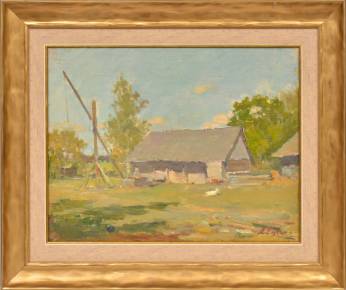
Farm
469 USD
Traditional Tibetan Buddhism Art Ornament
11063 USD
Ruby Zoisite Ganesha Statuette
2026 USD
Sculpture representing the Buddha (double-sided)
3583 USD
Buddha Head Sculpture
7551 USD
Ganesh Statue in Labradorite
5853 USD
SILVER CABINET FIGURE OF A KNIGHT GERMANY, HANAU, EFES, TURN OF THE 19TH - 20TH CENTURIES
An elegant silver cabinet figure of a knight created in the tradition of German Historicism of the first quarter of the 20th century. The sculpture depicts a warrior in full ceremonial armor holding a sword and shield, standing on an architectural pedestal of complex polygonal form. The figure is executed with pronounced decorative expressiveness: the cuirass, lamellar elements of the thigh armor, richly ornamented pauldrons and the helmet with a plume are carefully modeled. The silver surface is worked in repoussé and partially chased techniques, creating a refined play of light and emphasizing the relief structure of the armor.A distinctive artistic feature of the object is the face carved from ivory. This contrast of materials, typical of German cabinet sculpture from the late 19th to early 20th century, enhances the effect of polychromy and gives the figure a vivid and theatrical character. The shield is decorated with a relief depiction of an armored hand with a weapon, while the pedestal is enriched with cartouches, mascarons and small sculptural figures of fantastic animals placed at the corners. The entire composition reflects the aesthetics of Renaissance armorial and funerary sculpture reinterpreted within the tradition of Hanau collectible silver.Marks: Maker’s mark of the Efes workshop; German state silver marks in the form of a crescent and crown; silver standard mark “800”.Dimensions: Height 29.5 cm.Weight: 840 g.Condition: Good collectible condition.Provenance: Private collection, Hesse. Expert report: Dr Daniel Suebsman, 2025. CITES certificate available.
Begins 03.05.2026
Landscape Painting by Ilio Giannaccini (1897-1968): Mid-20th Century Italy
1569 USD
Still life with black radish
1827 USD
Only
1054 USD
Oil painting Night by Anete Kalnina
937 USD
Two-sided painting Two figures choir
679 USD
Port landscape
937 USD
Large Buddha in White Makrana Marble
52034 USD
Wakizashi, Japan, 19th century.
Wakizashi, Japan, 19th century Shagreen leather hilt with black braid, iron fuchi kashira inlaid and gilded with rooster, hen and chicken, flower-shaped menuki, tsuba sukashi namban-style partially gilded iron, scabbard from polished shagreen with large grain, missing kozuka, blade with full-length bo-hi.D. 68.5 cm
Begins 03.05.2026
Tove Gronningsaeter Mosaic Portrait of Mystery Dragon, Dated 1976: Late 20th Century Norway
1042 USD
Royal Copenhagen Porcelain Figural Tazza 19th Century Fruit Vase.
2740 USD
White waves
551 USD
Scenography for the show
633 USD
The old railway bridge over the Daugava
2248 USD
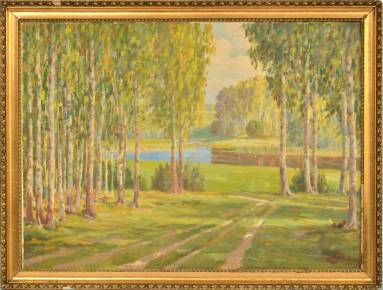
Landscape with a birch grove
399 USD
Ladies
5467 USD
River landscape with water lilies
1101 USD
...
63
64
65
66
67
68
69
...
87
Subscribe to our newsletter
Never miss new auctions
You have subscribed to our newsletter.
Subscribe
Your latest views
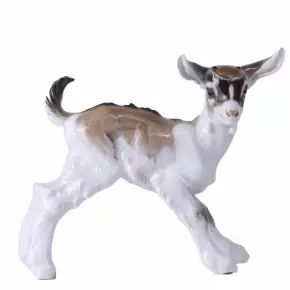
Porcelain Goat. Rosenthal
Begins 03.05.2026 10:00:00
Shepherd girl
972 USD
Evening in Old Riga
832 USD
Set of cocktail drinkware
1569 USD
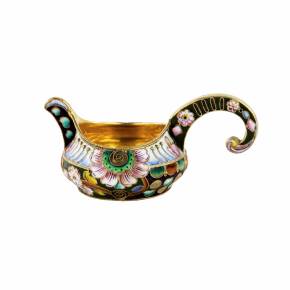
SILVER KOVSH WITH PAINTED ENAMEL OVER FILIGREE. 20 ARTEL RUSSIA, MOSCOW, 1908-1917
Begins 02.05.2026 12:00:00
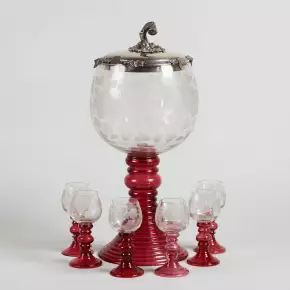
Perchonice with six glasses
Begins 03.05.2026 10:00:00
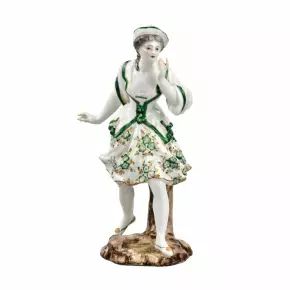
Porcelain figurine Lady in Green. France. 19th century.
Begins 03.05.2026 10:00:00
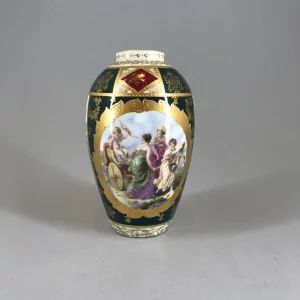
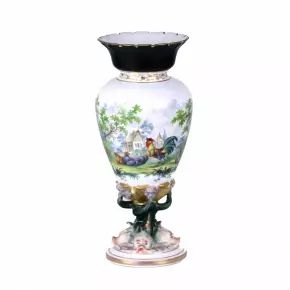
Decorative vase
Begins 03.05.2026 10:00:00
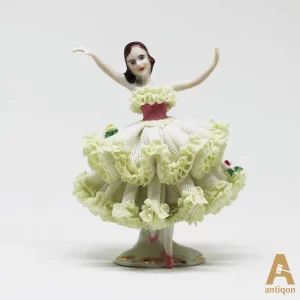
Porcelain figurine "The Ballerina"
Begins 03.05.2026 10:00:00
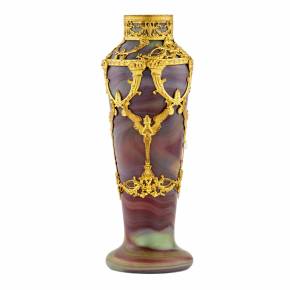
Vase. Sevres.
Begins 03.05.2026 10:00:00
Vase Hutschenreuther Kohenberg. Germany. 1914-1934.
Begins 03.05.2026 10:00:00
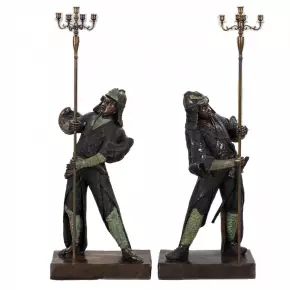
Twin candelabra Samurai
Begins 03.05.2026 10:00:00
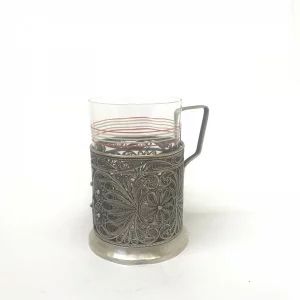
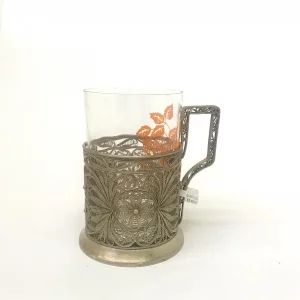
Glass holder Flowers
Begins 03.05.2026 10:00:00
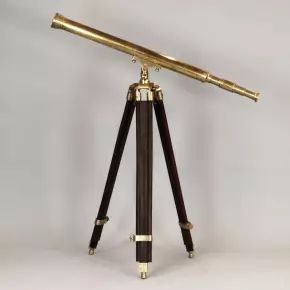
Telescope W & J. George Ltd, London
Begins 03.05.2026 10:00:00
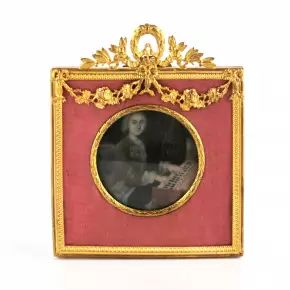
Antique photo frame of the late 19th century.
Begins 03.05.2026 10:00:00
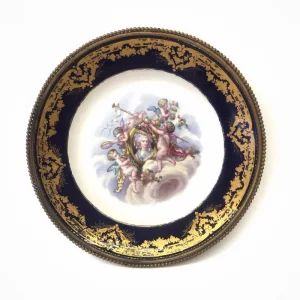
Sevre style earthenware decorative dish
Begins 03.05.2026 10:00:00
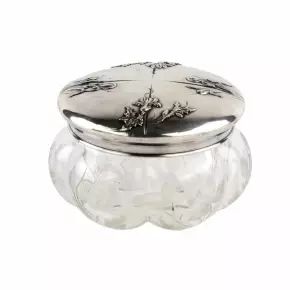
French bonbonniere with silver lid. Louis Coignet.
Begins 03.05.2026 10:00:00
Glass holder Flowers
Begins 03.05.2026 10:00:00
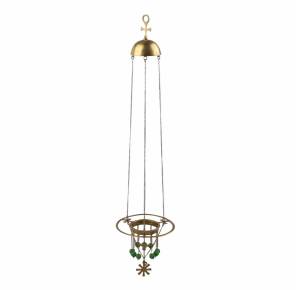
HANGING OIL LAMP DESIGNED BY SERGEI VASHKOV. P.I. OLOVYANISHNIKOV & SONS RUSSIAN EMPIRE, MOSCOW, 1911
Begins 02.05.2026 12:00:00
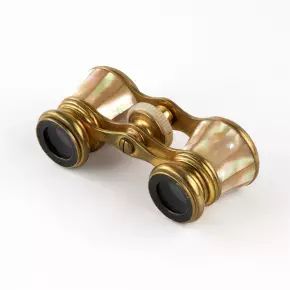
Opera glasses.
Begins 03.05.2026 10:00:00
Start hunt for treasures!
Individual
Legal entity
Enter a name (min 3 characters)
Enter a Last name (min 3 characters)
Enter the email
User already exist
Algeria (+213)
Andorra (+376)
Angola (+244)
Anguilla (+1264)
Antigua & Barbuda (+1268)
Argentina (+54)
Armenia (+374)
Aruba (+297)
Australia (+61)
Austria (+43)
Azerbaijan (+994)
Bahamas (+1242)
Bahrain (+973)
Bangladesh (+880)
Barbados (+1246)
Belarus (+375)
Belgium (+32)
Belize (+501)
Benin (+229)
Bermuda (+1441)
Bhutan (+975)
Bolivia (+591)
Bosnia Herzegovina (+387)
Botswana (+267)
Brazil (+55)
Brunei (+673)
Bulgaria (+359)
Burkina Faso (+226)
Burundi (+257)
Cambodia (+855)
Cameroon (+237)
Canada (+1)
Cape Verde Islands (+238)
Cayman Islands (+1345)
Central African Republic (+236)
Chile (+56)
China (+86)
Colombia (+57)
Comoros (+269)
Congo (+242)
Cook Islands (+682)
Costa Rica (+506)
Croatia (+385)
Cuba (+53)
Cyprus North (+90392)
Cyprus South (+357)
Czech Republic (+42)
Denmark (+45)
Djibouti (+253)
Dominica (+1809)
Dominican Republic (+1809)
Ecuador (+593)
Egypt (+20)
El Salvador (+503)
Equatorial Guinea (+240)
Eritrea (+291)
Estonia (+372)
Ethiopia (+251)
Falkland Islands (+500)
Faroe Islands (+298)
Fiji (+679)
Finland (+358)
France (+33)
French Guiana (+594)
French Polynesia (+689)
Gabon (+241)
Gambia (+220)
Georgia (+7880)
Germany (+49)
Ghana (+233)
Gibraltar (+350)
Greece (+30)
Greenland (+299)
Grenada (+1473)
Guadeloupe (+590)
Guam (+671)
Guatemala (+502)
Guinea (+224)
Guinea - Bissau (+245)
Guyana (+592)
Haiti (+509)
Honduras (+504)
Hong Kong (+852)
Hungary (+36)
Iceland (+354)
India (+91)
Indonesia (+62)
Iran (+98)
Iraq (+964)
Ireland (+353)
Israel (+972)
Italy (+39)
Jamaica (+1876)
Japan (+81)
Jordan (+962)
Kazakhstan (+7)
Kenya (+254)
Kiribati (+686)
Korea North (+850)
Korea South (+82)
Kuwait (+965)
Kyrgyzstan (+996)
Laos (+856)
Latvia (+371)
Lebanon (+961)
Lesotho (+266)
Liberia (+231)
Libya (+218)
Liechtenstein (+417)
Lithuania (+370)
Luxembourg (+352)
Macao (+853)
Macedonia (+389)
Madagascar (+261)
Malawi (+265)
Malaysia (+60)
Maldives (+960)
Mali (+223)
Malta (+356)
Marshall Islands (+692)
Martinique (+596)
Mauritania (+222)
Mayotte (+269)
Mexico (+52)
Micronesia (+691)
Moldova (+373)
Monaco (+377)
Mongolia (+976)
Montserrat (+1664)
Morocco (+212)
Mozambique (+258)
Myanmar (+95)
Namibia (+264)
Nauru (+674)
Nepal (+977)
Netherlands (+31)
New Caledonia (+687)
New Zealand (+64)
Nicaragua (+505)
Niger (+227)
Nigeria (+234)
Niue (+683)
Norfolk Islands (+672)
Northern Marianas (+670)
Norway (+47)
Oman (+968)
Palau (+680)
Panama (+507)
Papua New Guinea (+675)
Paraguay (+595)
Peru (+51)
Philippines (+63)
Poland (+48)
Portugal (+351)
Puerto Rico (+1787)
Qatar (+974)
Reunion (+262)
Romania (+40)
Russia (+7)
Rwanda (+250)
San Marino (+378)
Sao Tome & Principe (+239)
Saudi Arabia (+966)
Senegal (+221)
Serbia (+381)
Seychelles (+248)
Sierra Leone (+232)
Singapore (+65)
Slovak Republic (+421)
Slovenia (+386)
Solomon Islands (+677)
Somalia (+252)
South Africa (+27)
Spain (+34)
Sri Lanka (+94)
St. Helena (+290)
St. Kitts (+1869)
St. Lucia (+1758)
Sudan (+249)
Suriname (+597)
Swaziland (+268)
Sweden (+46)
Switzerland (+41)
Syria (+963)
Taiwan (+886)
Tajikstan (+7)
Thailand (+66)
Togo (+228)
Tonga (+676)
Trinidad & Tobago (+1868)
Tunisia (+216)
Turkey (+90)
Turkmenistan (+7)
Turkmenistan (+993)
Turks & Caicos Islands (+1649)
Tuvalu (+688)
Uganda (+256)
UK (+44)
Ukraine (+380)
United Arab Emirates (+971)
Uruguay (+598)
USA (+1)
Uzbekistan (+7)
Vanuatu (+678)
Vatican City (+379)
Venezuela (+58)
Vietnam (+84)
Virgin Islands - British (+1284)
Virgin Islands - US (+1340)
Wallis & Futuna (+681)
Yemen (North)(+969)
Yemen (South)(+967)
Zambia (+260)
Zimbabwe (+263)
Enter the phone number
Minimum password length must be at least 6 characters
Enter a name of your company (min 3 characters)
Enter registration number (min 3 characters)
Enter the email
User already exist
Enter the phone number
Minimum password length must be at least 6 characters
I am a buyer
I am a seller
or log in with
Sign up for our weekly newsletter
I reviewed and agree
user agreement
,
«Privacy Policy»
i agree with Antiqon Terms and conditions
Register
Already have an account?
Log In
Enter your email and password for authorization
Enter the email
The number of attempts has been used uo, repeat after 2 hours
Minimum password length must be at least 6 characters
Invalid email or password
or log in with
Login
Forgot password?
Don't have an account?
register