EUR
EUR
USD
English
Latviešu
Francais
English
Русский
Sign Up
Login
Auction
Best sellers
Upcomming auctions
Archive
Shop
Sell
Evaluation
Services
Expertise
Restoration
Antiq selection
Delivery
Contacts
Home
Shop
Show sold items
Show auction items
Available right now
Price
-
EUR
New items
Gifts
EXCLUSIVE
Catalogue categories
ALL ITEMS
Russian art
Objects of Vertu (19)
+
Objects of Vertu (19)
Paintings (640)
+
Paintings (605)
Watercolor (20)
Miniature (3)
Other (12)
Graphic arts (50)
+
Graphic arts (50)
Icons (38)
+
Icons (34)
Church utensils (4)
Frames and easels (43)
+
Frames (28)
Easels (3)
Photo frames (12)
Sculpture (61)
+
Bronze sculptures (33)
Stone sculptures (9)
Stone carving miniature (6)
Other (13)
Silver and metal (255)
+
Russian silver (105)
European silver (74)
Other (76)
Porcelain and ceramics (350)
+
Russian porcelain (23)
European porcelain (114)
Other (213)
Glass (52)
+
Crystal (5)
Glass (47)
Clocks and watches (25)
+
Mantel clocks (7)
Wall clocks (3)
Wrist watches (7)
Pocket watches (5)
Grandfather floor clocks (1)
Other (2)
Furniture (147)
+
Furniture sets (8)
Showcases (25)
Dressers (10)
Tables (30)
Sofas (3)
Armchairs and chairs (17)
Columns (5)
Mirrors (8)
Consoles (10)
Other (31)
Lighting (52)
+
Chandeliers (11)
Sconce (8)
Floor lamps (4)
Lamps (16)
Candlesticks and candelabra (12)
Other (1)
Interior objects (35)
+
Interior objects (35)
Fireplaces and stoves (14)
+
Fireplaces and stoves (6)
Accessories (7)
Other (1)
Carpets and tapestries (2)
+
Carpets (1)
Tapestries (1)
Jewelry (124)
+
Diamonds and precious stones (0)
Rings (50)
Bracelets (7)
Brooches and pendants (2)
Earrings (10)
Jewelry sets (4)
Chains and necklaces (11)
Amber (0)
Bijoux (1)
Other (39)
Weapons and мilitary (20)
+
Weapon (12)
Military (5)
Other (2)
Armour (1)
Orders and medals (4)
+
Orders and medals (3)
Signs and Tokens (0)
Other (1)
Coins and banknotes (17)
+
Coins (17)
Banknotes and Bonds (0)
Other (0)
Mechanics (15)
+
Music boxes (9)
Mechanisms and tools (4)
Models (0)
Other (2)
Print, postcards and other antique paper production (9)
+
Posters (3)
Maps (2)
Postcards (0)
Photos (0)
Other (4)
Books (5)
+
Literature (1)
History (1)
Military (0)
Science (1)
Children`s literature (0)
Other (2)
Garden and architecture (2)
+
Garden sculpture (0)
Fountain (0)
Garden furniture (0)
Architectural elements (2)
Other (0)
Modern Art (72)
+
Paintings (10)
Sculpture (18)
Objects (29)
Other (15)
Collectibles (15)
+
Collectibles (15)
Vintage and fashion (2)
+
Accessories (2)
Clothing (0)
Footwear (0)
Other (0)
Other (10)
+
Other (10)
Asian art
Styles
Louis-Philippe Carl X (11)
Academic art (3)
Antiquity (9)
Art Deco (63)
Art Nouveau (27)
Asian Art (12)
Baroque (26)
Biedermeier (10)
Boulle (4)
Chinoiserie (6)
Classicism (31)
Design of 50-60’s (10)
Design of 70’s (5)
Eclecticism (55)
Empire (29)
Empire - Consulate (1)
Gothic Revival (3)
Impressionism (22)
Judaica (3)
Jugendstil (10)
Louis XIII - Renaissance (2)
Louis XIV - Regency (1)
Louis XV (31)
Louis XVI (38)
Modern (108)
Modern Art (98)
Napoleon III (40)
Neo-Baroque (9)
Neo-baroque (5)
Neo-Russian (54)
Neoclassicism (37)
Neorenaissance (13)
Neorococo (37)
Oriental Art (5)
Other style (62)
Realism (51)
Renaissance (7)
Rococo (36)
Romanticism (30)
Vanguard (20)
Victorian Style (4)
Epoques
16th century (2)
17th century (4)
18th century (28)
19th century (328)
20th century (334)
21th century (269)
At the turn of 16th -17th century (1)
At the turn of 17th-18th century (1)
At the turn of 19th -20th century (200)
At the turn of the 15th - 16th century (4)
At the turn of the 18th -19th century (12)
Early 17th century (1)
Early 18th century (1)
Early 19th century (20)
Early 20th century (404)
Late 18th century (3)
Late 19th century (101)
Mid-17th century (14)
Mid-18th century (1)
Mid-19th century (38)
Mid-20th century (271)
The end of the 17th century (1)
The end of the 20th century (45)
Price (descending)
Price (ascending)
Date (ascending)
Date (descending)
...
22
23
24
25
26
27
28
...
87
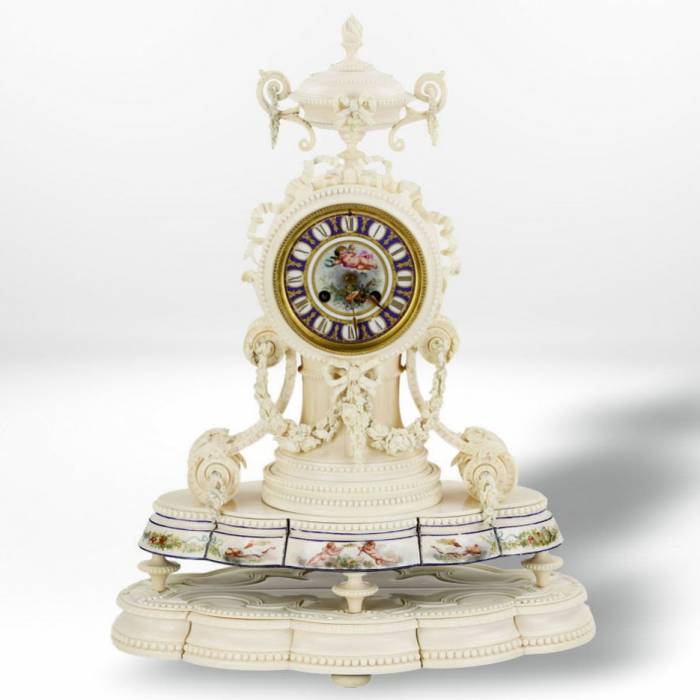
IVORY MANTEL CLOCK OF THE NAPOLEON III PERIOD FRANCE, PARIS, SECOND HALF OF THE 19TH CENTURY
An exceptional mantel clock from the Napoleon III period, executed in the Neoclassical style and distinguished by a rare degree of artistic and technical refinement. The case is entirely carved from ivory, featuring a finely articulated architectural silhouette with columnar supports, volutes, garlands, rosettes, and a krater-shaped vase crowning the composition. The overall design demonstrates symmetry and ceremonial grandeur characteristic of Parisian decorative arts of the 1860–1880s.The porcelain dial, presumably produced by the Royal Sèvres Manufactory, is decorated with a painted composition depicting a flying Cupid holding a wreath, accompanied by musical instruments and floral motifs. The Roman numeral chapter ring is set against a deep cobalt-blue ground with gilded ornamentation and enclosed within a gilt brass bezel. The original pierced gilt hands enhance the refined appearance of the dial.The lower frieze of the case is painted in oils with scenes of playing putti, musical attributes, and floral garlands, emphasizing the allegorical themes of love, harmony, and the arts. The clock rests on a complex, multi-tiered ivory base with profiled relief and decorative feet.The French movement features an anchor escapement and striking mechanism, signed “S. Marti & Cie – Médaille de Bronze” and additionally numbered “Chameroy – 178”. The movement has undergone professional servicing and is in working order. During inspection, a historical presentation inscription was discovered on the interior of the base beneath a brass cover: “Wedding gift to Marie Dessarps …”, adding notable memorial and provenance value.Marks: Movement signed “S. Marti & Cie – Médaille de Bronze”; numbered “Chameroy – 178”.Dimensions: 50 × 37.5 × 23.5 cm.Weight: Approx. 6,900 g.Condition: Good, with natural traces of age and use.Provenance: France, Paris; private European collection. Accompanied by a CITES certificate permitting circulation within the EU.
Begins 03.05.2026
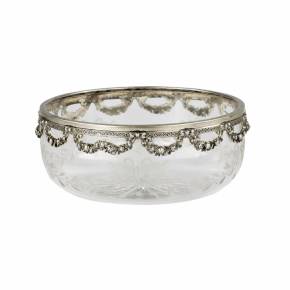
Neoclassical vase made of crystal in silver. Early 20th century.
Begins 03.05.2026 10:00:00
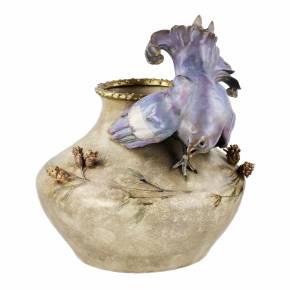
Ceramic cache-pot. Eduard STELLMACHER. 1905
Begins 03.05.2026 10:00:00
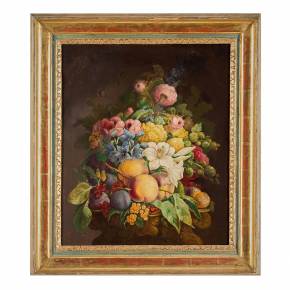
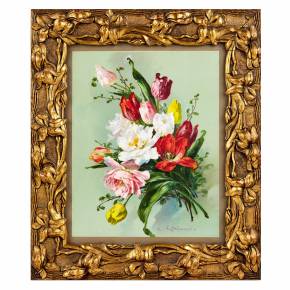
Still life Bouquet of flowers.
Begins 03.05.2026 10:00:00
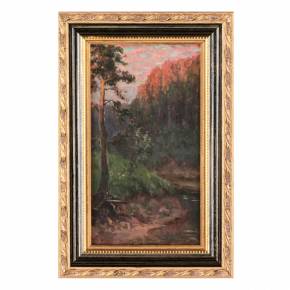
Sunset landscape on the river. Russia 20th century.
Begins 02.05.2026 12:00:00
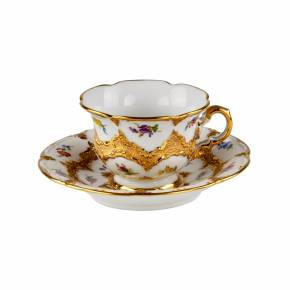
Cup with saucer Meissen
Begins 03.05.2026 10:00:00
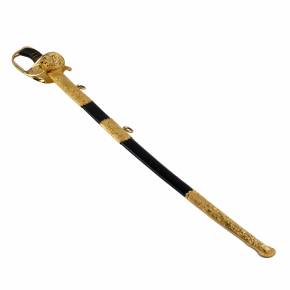
Saber of a Swedish naval officer, second half of the 19th century.
Begins 03.05.2026 10:00:00
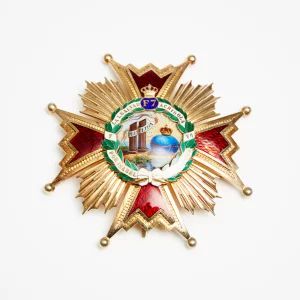
Order of Isabella the Catholic. Spain
Begins 03.05.2026 10:00:00
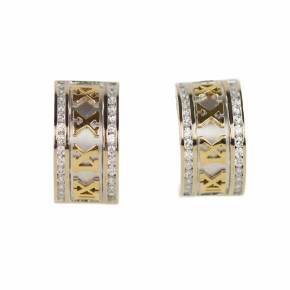
Ribbon, semicircular, two-tone gold earrings, 750 assay value, with diamonds. 13.28 gr.
1000 EUR
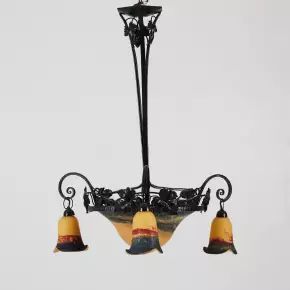
Art Nouveau style chandelier. France, 20th century.
Begins 03.05.2026 10:00:00
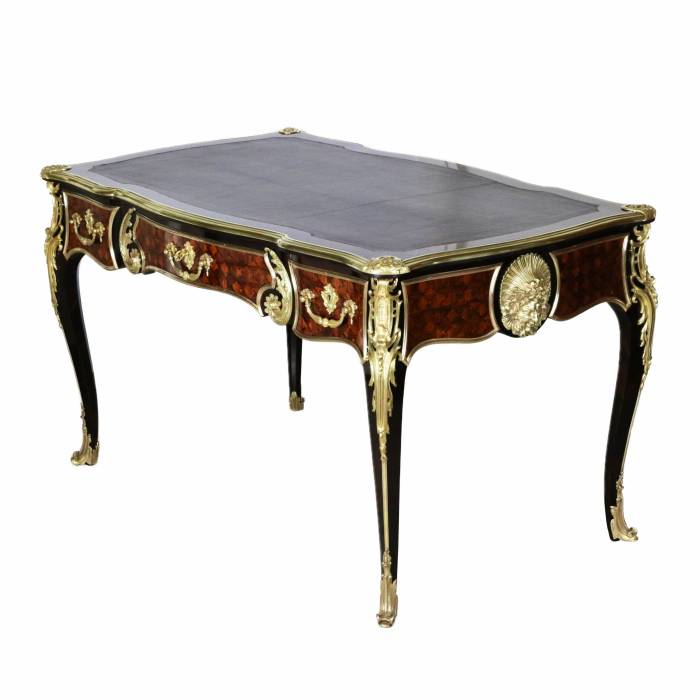
LOUIS XV STYLE WRITING DESK FRANCE, SECOND HALF OF THE 19TH CENTURY
An elegant double-sided writing desk in finely inlaid wood with rich gilt-bronze mounts, executed in the Louis XV style. The harmonious interplay of sinuous contours and architectural clarity creates a rare balance between representative grandeur and intimate refinement.The body is adorned with intricate parquetry featuring a geometric diamond pattern in precious woods of warm amber and chestnut tones. The façade is accentuated by powerful gilt-bronze mounts with Rocaille scrolls, cartouches and pierced elements. The central section is highlighted by a striking mascaron depicting a mythological face framed by a shell motif, lending the composition dynamism and theatrical presence.Gracefully curved cabriole legs terminate in gilt-bronze sabots and are enriched with vertical foliate mounts. The apron is framed by a profiled gilt-bronze edging that emphasizes the flowing outline of the top. The writing surface is fitted with an inset panel, providing a functional workspace. The desk features three drawers and is fully finished on both sides, allowing placement in the center of a room.This work reflects the defining characteristics of 19th-century French Historicism, reinterpreting Rococo aesthetics with particular emphasis on virtuoso bronze casting and refined marquetry craftsmanship.Dimensions: 77 x 133 x 78 cmCondition: Very good. Professionally restored.
Begins 03.05.2026
Modern era frame. Early 20th century.
850 EUR
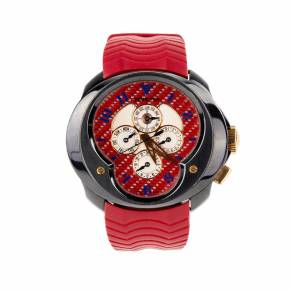
Men`s watch Quantieme Perpetuel Haute Horlogerie. FVa10 Stainless Steel Black. Switzerland.
10000 EUR
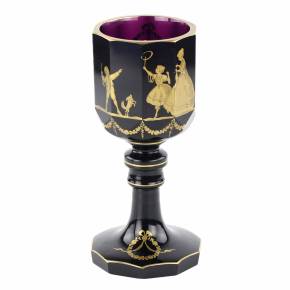
DECAGONAL GOBLET IN PURPLE CRYSTAL WITH GILT DECORATION ST PETERSBURG, 1810s IMPERIAL GLASS FACTORY
Begins 02.05.2026 12:00:00
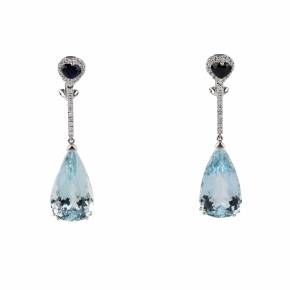
Long gold earrings with aquamarines, sapphires and diamonds.
9600 EUR
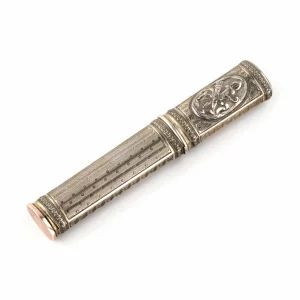
Louis XVI style silver pencil case.
Begins 03.05.2026 10:00:00
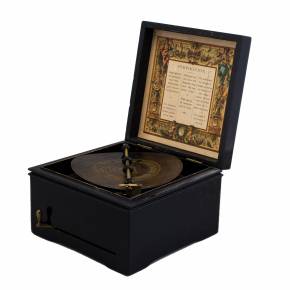
Music box Symphonion. Germany. The turn of the 19th and 20th centuries.
Begins 03.05.2026 10:00:00
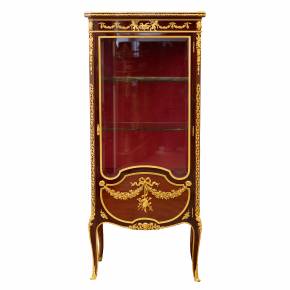
MAHOGANY AND GILT BRONZE DISPLAY CABINET IN THE STYLE OF SORMANI FRANCE, LATE 19TH CENTURY
Begins 03.05.2026 10:00:00
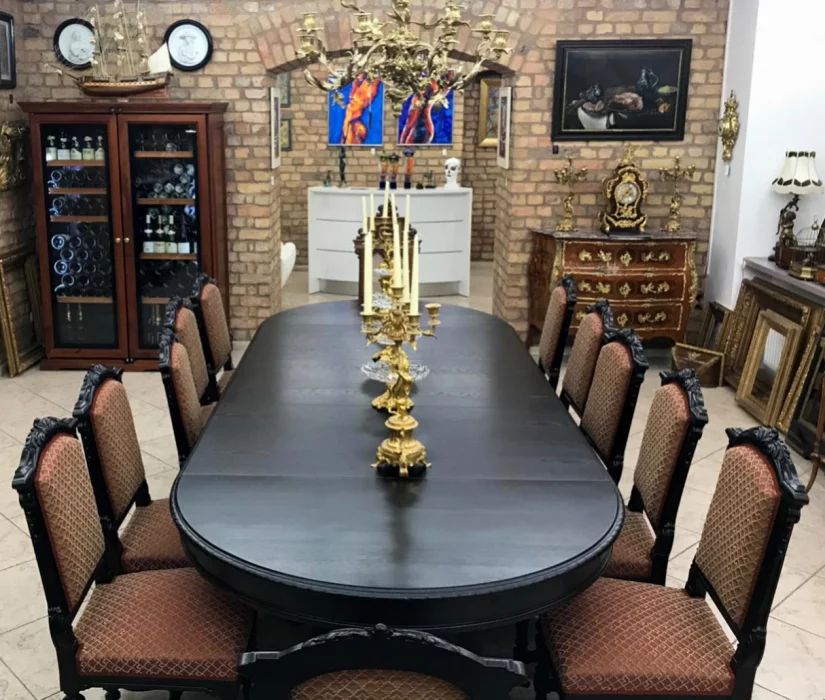
Table set in the style of Napoleon III.
Large dining set for 11 people. 11 chairs around a four-currency dining extendable table. Able to become the heart of the banquet, and equip the dance halls. Made in the spirit of the neo-Renaissance. Juicy, world-affirming forms of currencies - the bases of the table, baroque plasticity of carving - an essential ingredient of home comfort and. The set is made in the style of Napoleon III. Dimensions: Table: H = 80 cm, assembled diameter -130 cm. Unassembled length - 320 cm. Armchair: Height - 103 cm, Width 50 cm, Depth 50 cm.
Begins 03.05.2026
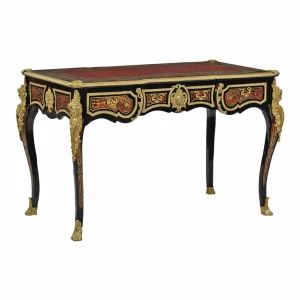
BOULLE STYLE WRITING DESK FRANCE, 19TH CENTURY
Begins 03.05.2026 10:00:00
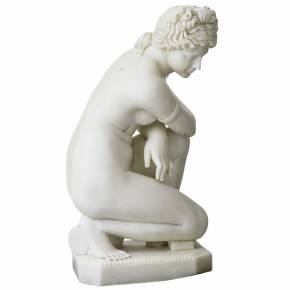
MARBLE SCULPTURE “THE BATHING VENUS” EUROPE, 19TH - EARLY 20TH CENTURY
Begins 03.05.2026 10:00:00
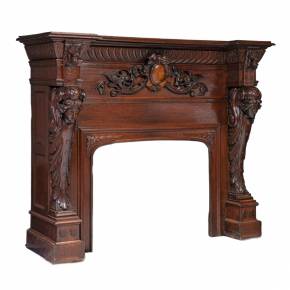
Carved oak fireplace in Renaissance style.
Begins 03.05.2026 10:00:00
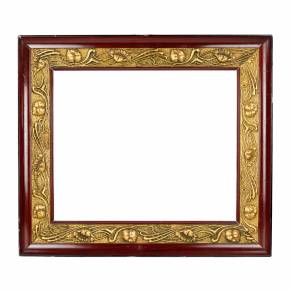
Art Nouveau frame. Early 20th century.
850 EUR
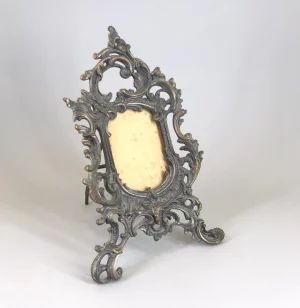
Photo frame in Neo Rococo style. France. 20th century.
Begins 03.05.2026 10:00:00
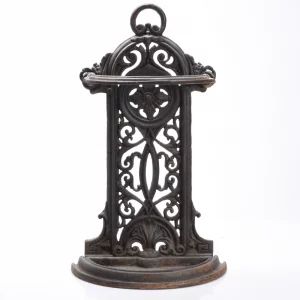
Umbrella stand. Europe, early 20th century.
Begins 03.05.2026 10:00:00
Japanese Chin dog figurine. 20th century
Begins 03.05.2026 10:00:00
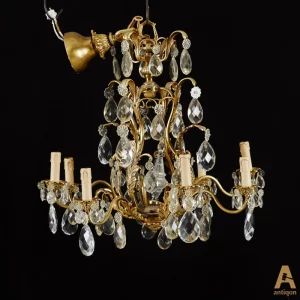
Eight-candle chandelier in the Rococo style. France. Early 20th century.
Begins 03.05.2026 10:00:00
...
22
23
24
25
26
27
28
...
87
Subscribe to our newsletter
Never miss new auctions
You have subscribed to our newsletter.
Subscribe
Your latest views
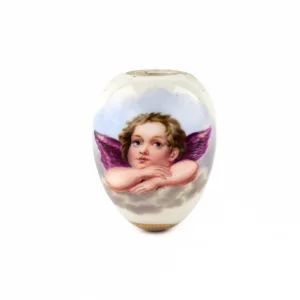
Porcelain Easter egg.
Begins 02.05.2026 12:00:00
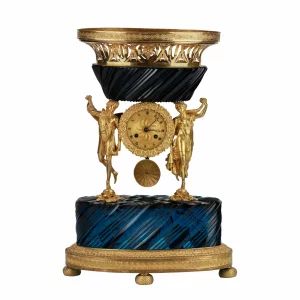
UNIQUE MANTEL CLOCK WITH SOLAR ALLEGORY. MODEL ATTRIBUTED TO CARLO ROSSI RUSSIAN EMPIRE, SAINT PETERSBURG, PERIOD OF NICHOLAS I, 1825-1855
Begins 02.05.2026 12:00:00
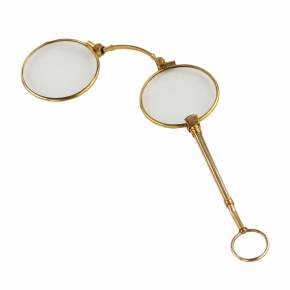
Lornet
180 EUR
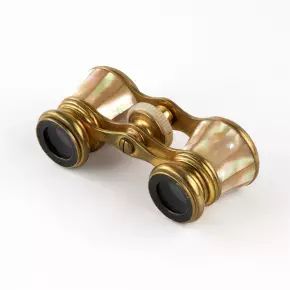
Opera glasses.
Begins 03.05.2026 10:00:00
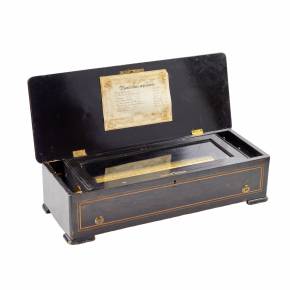
Music Box.
Begins 03.05.2026 10:00:00
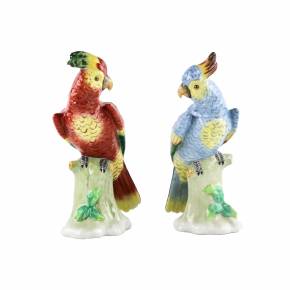
Two Sitzendorf Parrots.
Begins 03.05.2026 10:00:00
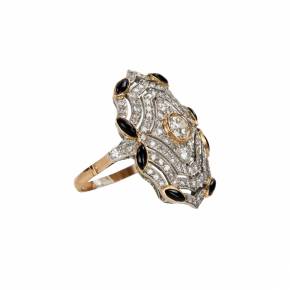
Gold ring with diamonds.
5000 EUR
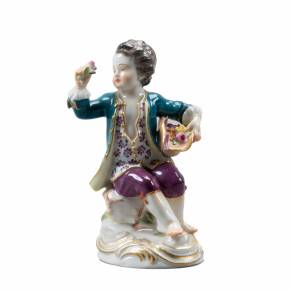
Boy with flowers. Meissen.
Begins 03.05.2026 10:00:00
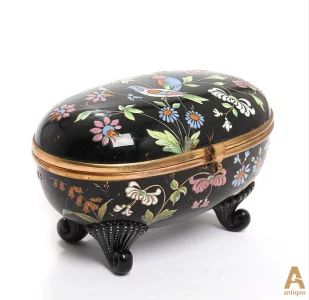
An elegant French jewelry box
Begins 03.05.2026 10:00:00
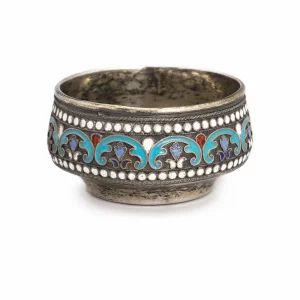
Russian silver salt cellar with enamel.
Begins 02.05.2026 12:00:00
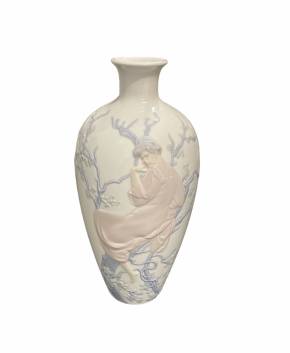
LARGE TREE OF LIFE VASE LLADRÓ
556 EUR
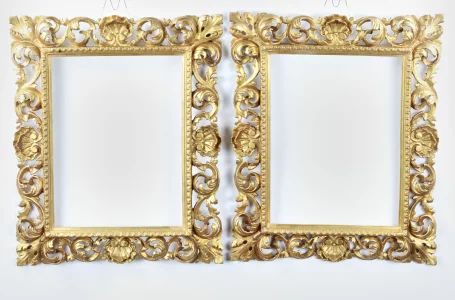
A pair of Baroque frames
400 EUR
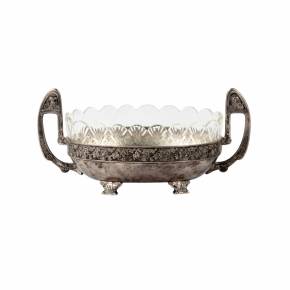
Silver candy bowl Rook. Moscow. 2nd artel.
Begins 02.05.2026 12:00:00
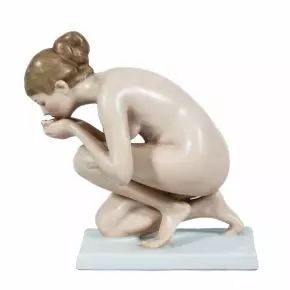
Girl drinking water, Rosenthal
Begins 03.05.2026 10:00:00
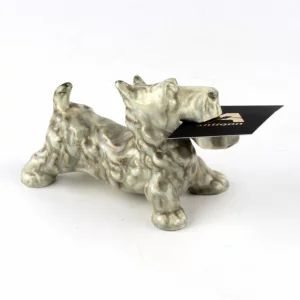
Faience figurine Scotch Terrier. Factory Kuznetsov. Russia
Begins 02.05.2026 12:00:00
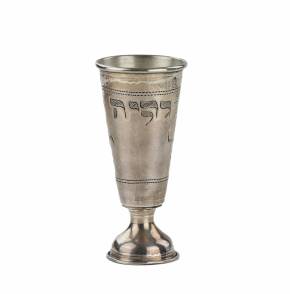
Silver glass for Kiddush. Kyiv 1908-1809
Begins 02.05.2026 12:00:00
Golden pendant with diamonds
1100 EUR
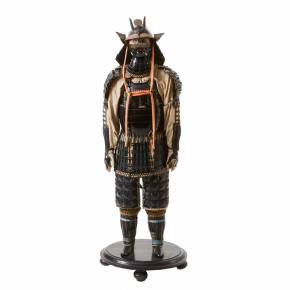
Samurai armor, Edo period.
Begins 03.05.2026 10:00:00
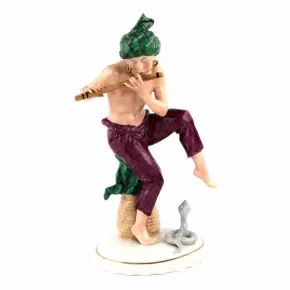
Snake Tamer. Sitzendorf.
Begins 03.05.2026 10:00:00
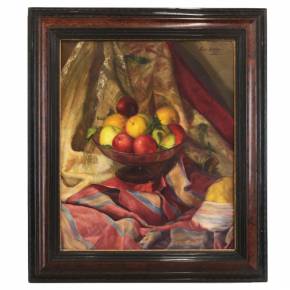
LUIS GARCÍA OLIVER. Still life with apples.
Begins 03.05.2026 10:00:00
Start hunt for treasures!
Individual
Legal entity
Enter a name (min 3 characters)
Enter a Last name (min 3 characters)
Enter the email
User already exist
Algeria (+213)
Andorra (+376)
Angola (+244)
Anguilla (+1264)
Antigua & Barbuda (+1268)
Argentina (+54)
Armenia (+374)
Aruba (+297)
Australia (+61)
Austria (+43)
Azerbaijan (+994)
Bahamas (+1242)
Bahrain (+973)
Bangladesh (+880)
Barbados (+1246)
Belarus (+375)
Belgium (+32)
Belize (+501)
Benin (+229)
Bermuda (+1441)
Bhutan (+975)
Bolivia (+591)
Bosnia Herzegovina (+387)
Botswana (+267)
Brazil (+55)
Brunei (+673)
Bulgaria (+359)
Burkina Faso (+226)
Burundi (+257)
Cambodia (+855)
Cameroon (+237)
Canada (+1)
Cape Verde Islands (+238)
Cayman Islands (+1345)
Central African Republic (+236)
Chile (+56)
China (+86)
Colombia (+57)
Comoros (+269)
Congo (+242)
Cook Islands (+682)
Costa Rica (+506)
Croatia (+385)
Cuba (+53)
Cyprus North (+90392)
Cyprus South (+357)
Czech Republic (+42)
Denmark (+45)
Djibouti (+253)
Dominica (+1809)
Dominican Republic (+1809)
Ecuador (+593)
Egypt (+20)
El Salvador (+503)
Equatorial Guinea (+240)
Eritrea (+291)
Estonia (+372)
Ethiopia (+251)
Falkland Islands (+500)
Faroe Islands (+298)
Fiji (+679)
Finland (+358)
France (+33)
French Guiana (+594)
French Polynesia (+689)
Gabon (+241)
Gambia (+220)
Georgia (+7880)
Germany (+49)
Ghana (+233)
Gibraltar (+350)
Greece (+30)
Greenland (+299)
Grenada (+1473)
Guadeloupe (+590)
Guam (+671)
Guatemala (+502)
Guinea (+224)
Guinea - Bissau (+245)
Guyana (+592)
Haiti (+509)
Honduras (+504)
Hong Kong (+852)
Hungary (+36)
Iceland (+354)
India (+91)
Indonesia (+62)
Iran (+98)
Iraq (+964)
Ireland (+353)
Israel (+972)
Italy (+39)
Jamaica (+1876)
Japan (+81)
Jordan (+962)
Kazakhstan (+7)
Kenya (+254)
Kiribati (+686)
Korea North (+850)
Korea South (+82)
Kuwait (+965)
Kyrgyzstan (+996)
Laos (+856)
Latvia (+371)
Lebanon (+961)
Lesotho (+266)
Liberia (+231)
Libya (+218)
Liechtenstein (+417)
Lithuania (+370)
Luxembourg (+352)
Macao (+853)
Macedonia (+389)
Madagascar (+261)
Malawi (+265)
Malaysia (+60)
Maldives (+960)
Mali (+223)
Malta (+356)
Marshall Islands (+692)
Martinique (+596)
Mauritania (+222)
Mayotte (+269)
Mexico (+52)
Micronesia (+691)
Moldova (+373)
Monaco (+377)
Mongolia (+976)
Montserrat (+1664)
Morocco (+212)
Mozambique (+258)
Myanmar (+95)
Namibia (+264)
Nauru (+674)
Nepal (+977)
Netherlands (+31)
New Caledonia (+687)
New Zealand (+64)
Nicaragua (+505)
Niger (+227)
Nigeria (+234)
Niue (+683)
Norfolk Islands (+672)
Northern Marianas (+670)
Norway (+47)
Oman (+968)
Palau (+680)
Panama (+507)
Papua New Guinea (+675)
Paraguay (+595)
Peru (+51)
Philippines (+63)
Poland (+48)
Portugal (+351)
Puerto Rico (+1787)
Qatar (+974)
Reunion (+262)
Romania (+40)
Russia (+7)
Rwanda (+250)
San Marino (+378)
Sao Tome & Principe (+239)
Saudi Arabia (+966)
Senegal (+221)
Serbia (+381)
Seychelles (+248)
Sierra Leone (+232)
Singapore (+65)
Slovak Republic (+421)
Slovenia (+386)
Solomon Islands (+677)
Somalia (+252)
South Africa (+27)
Spain (+34)
Sri Lanka (+94)
St. Helena (+290)
St. Kitts (+1869)
St. Lucia (+1758)
Sudan (+249)
Suriname (+597)
Swaziland (+268)
Sweden (+46)
Switzerland (+41)
Syria (+963)
Taiwan (+886)
Tajikstan (+7)
Thailand (+66)
Togo (+228)
Tonga (+676)
Trinidad & Tobago (+1868)
Tunisia (+216)
Turkey (+90)
Turkmenistan (+7)
Turkmenistan (+993)
Turks & Caicos Islands (+1649)
Tuvalu (+688)
Uganda (+256)
UK (+44)
Ukraine (+380)
United Arab Emirates (+971)
Uruguay (+598)
USA (+1)
Uzbekistan (+7)
Vanuatu (+678)
Vatican City (+379)
Venezuela (+58)
Vietnam (+84)
Virgin Islands - British (+1284)
Virgin Islands - US (+1340)
Wallis & Futuna (+681)
Yemen (North)(+969)
Yemen (South)(+967)
Zambia (+260)
Zimbabwe (+263)
Enter the phone number
Minimum password length must be at least 6 characters
Enter a name of your company (min 3 characters)
Enter registration number (min 3 characters)
Enter the email
User already exist
Enter the phone number
Minimum password length must be at least 6 characters
I am a buyer
I am a seller
or log in with
Sign up for our weekly newsletter
I reviewed and agree
user agreement
,
«Privacy Policy»
i agree with Antiqon Terms and conditions
Register
Already have an account?
Log In
Enter your email and password for authorization
Enter the email
The number of attempts has been used uo, repeat after 2 hours
Minimum password length must be at least 6 characters
Invalid email or password
or log in with
Login
Forgot password?
Don't have an account?
register