×
Create account and receive
15% DISCOUNT
your first acquisition
or
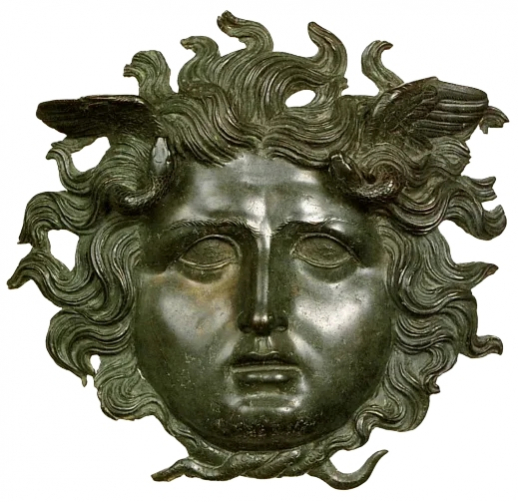
Bronze is one of the most significant metal alloys in the history of decorative and applied arts. Valued for its strength, plasticity and expressive artistic qualities, it became an essential material for sculpture, artistic casting, furniture, clocks and luxury objects.
We will only share latest what our month on the BRONZE.
ORIGIN AND DEVELOPMENT
Bronze is a metal alloy based primarily on copper, traditionally combined with tin and other elements that improve its physical and technical properties. The earliest bronze objects appeared in the 4th millennium BC among the ancient cultures of the Near East, Mesopotamia and Egypt, marking the beginning of the Bronze Age.
In the ancient world, bronze became widely used for sculpture, ceremonial objects, weapons and decorative works. The craftsmen of Ancient Greece and Rome achieved an exceptional level of mastery in bronze casting and artistic metalworking.
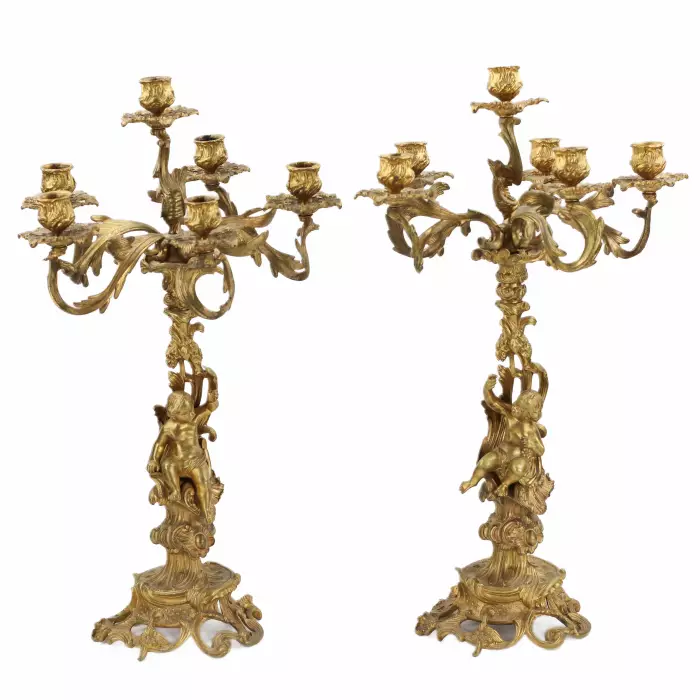
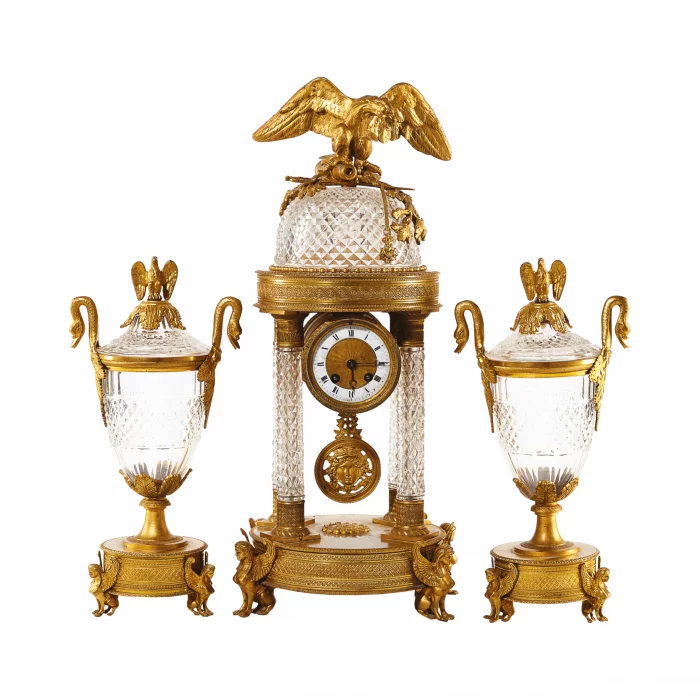
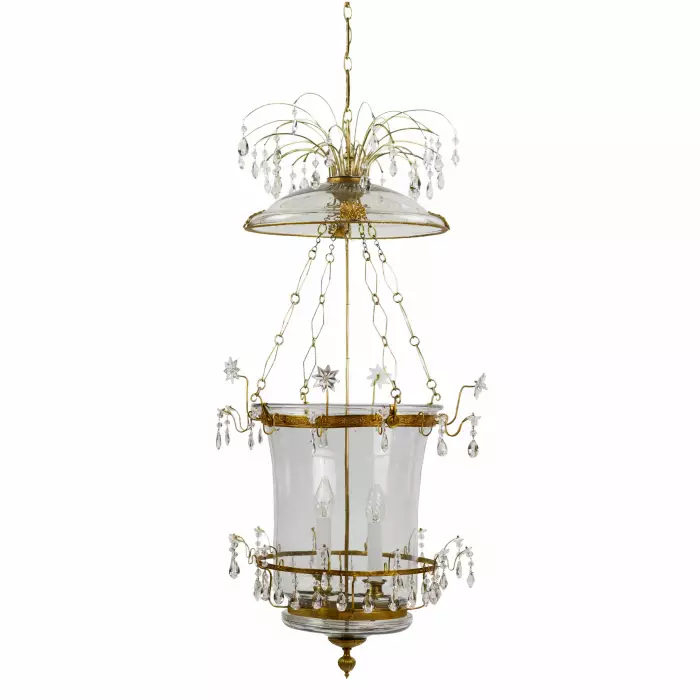
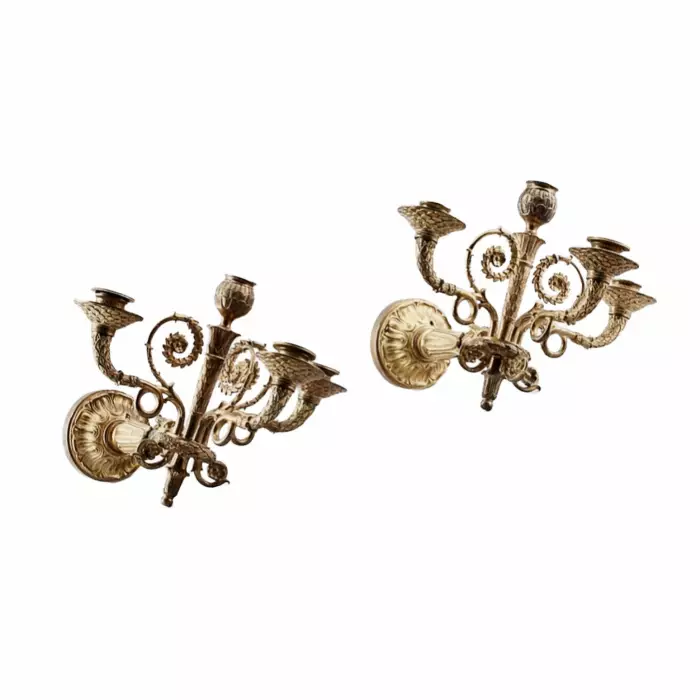
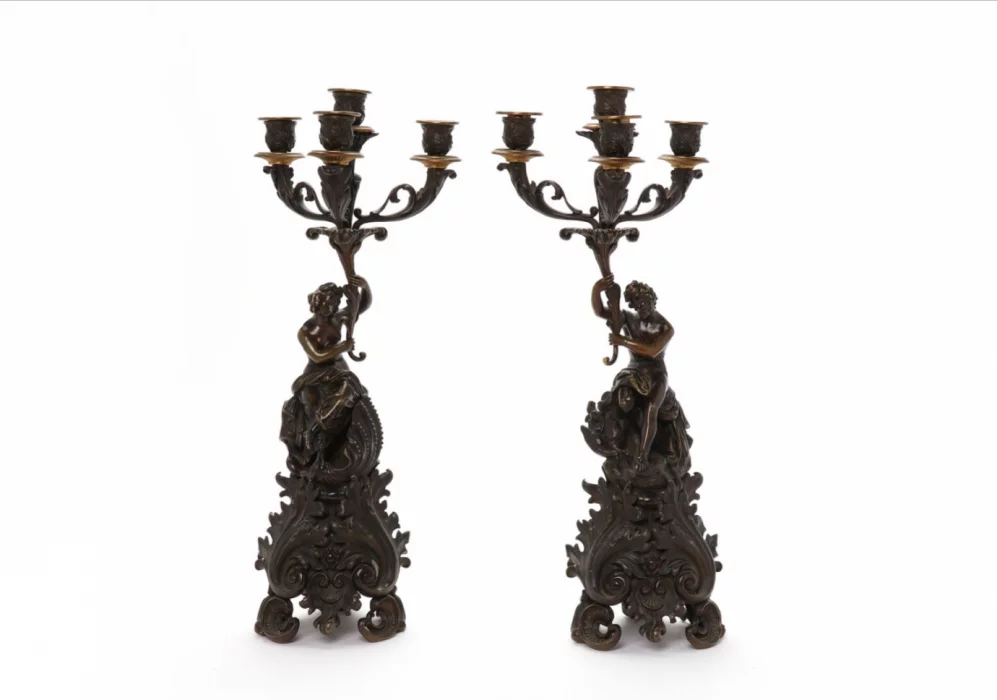
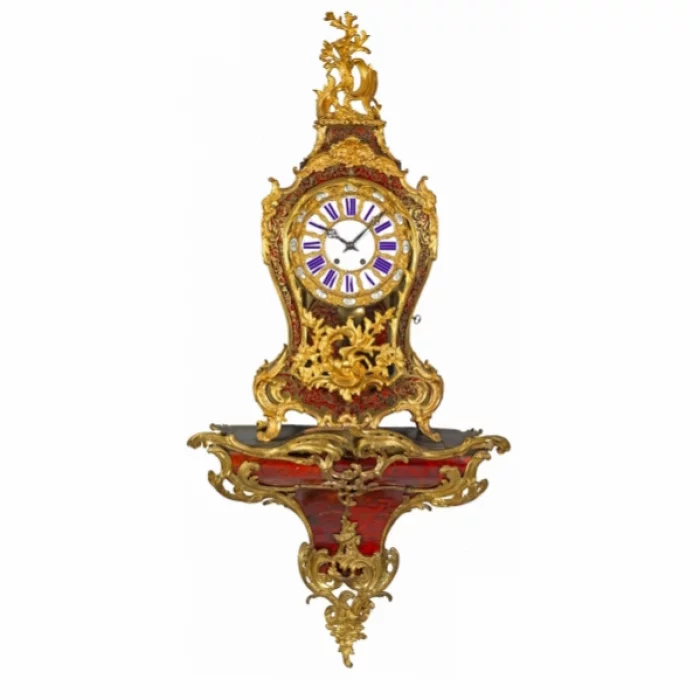
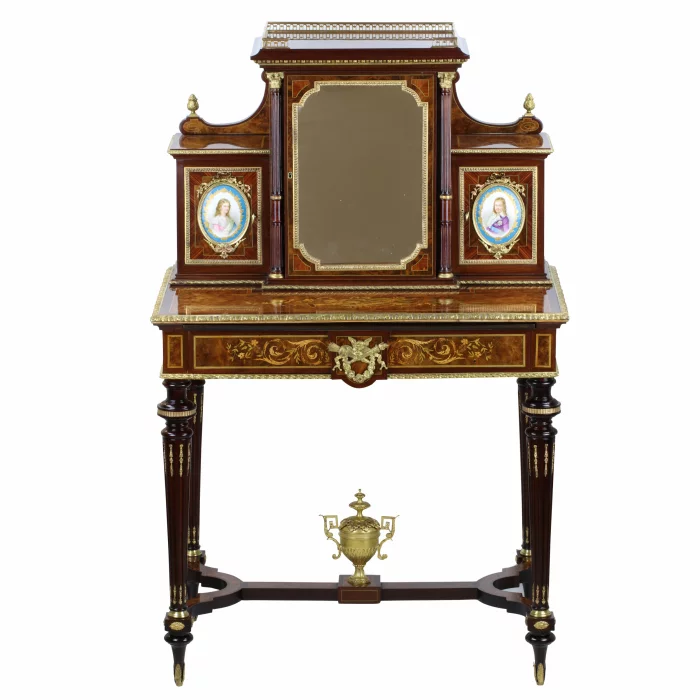
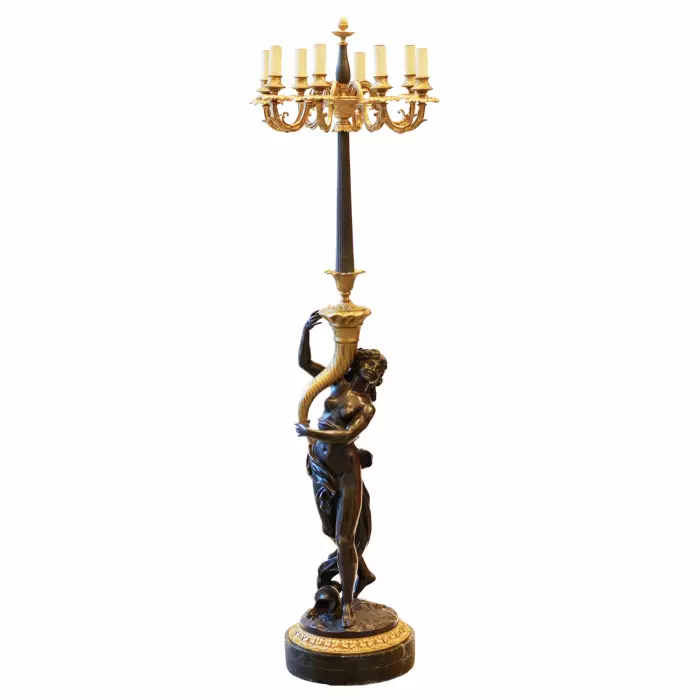
During the Renaissance, the revival of classical traditions restored the importance of bronze in the arts. From the 17th to the 19th century, bronze became one of the principal materials of European decorative arts, used for clocks, candelabra, furniture mounts, interior ornaments and small-scale sculpture.
TECHNICAL CHARACTERISTICS
Classical bronze consists mainly of copper alloyed with tin in varying proportions. The material is distinguished by its strength, resistance to corrosion, malleability and ability to reproduce fine details during the casting process.
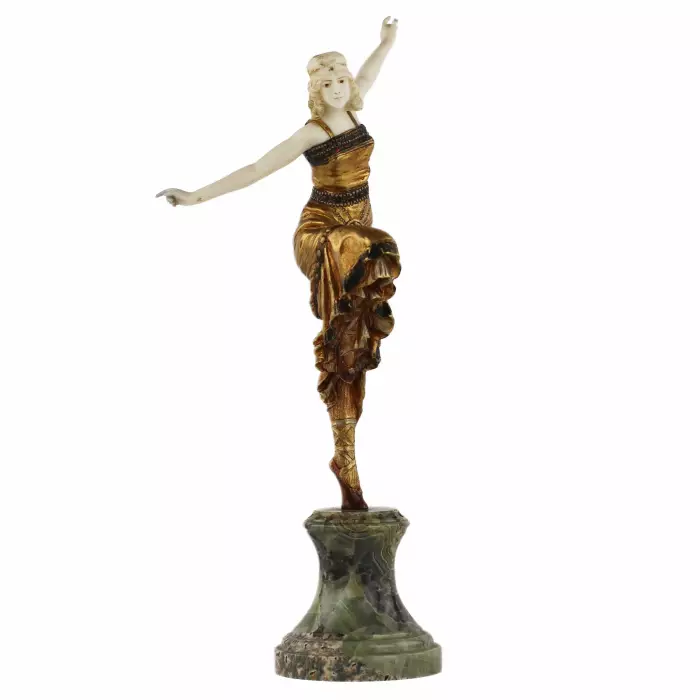
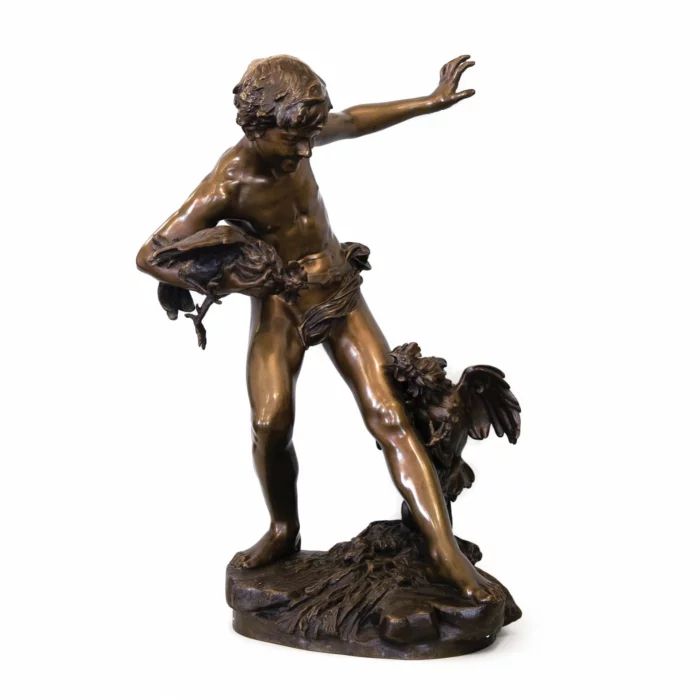
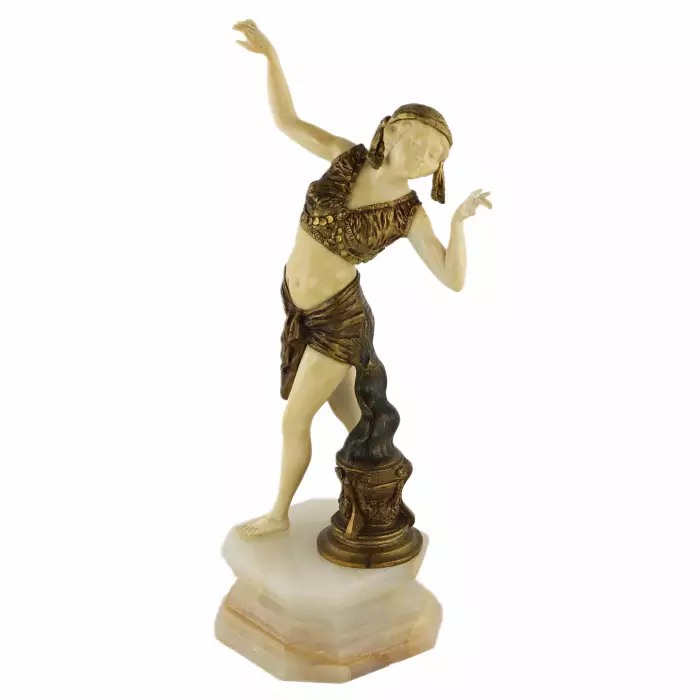
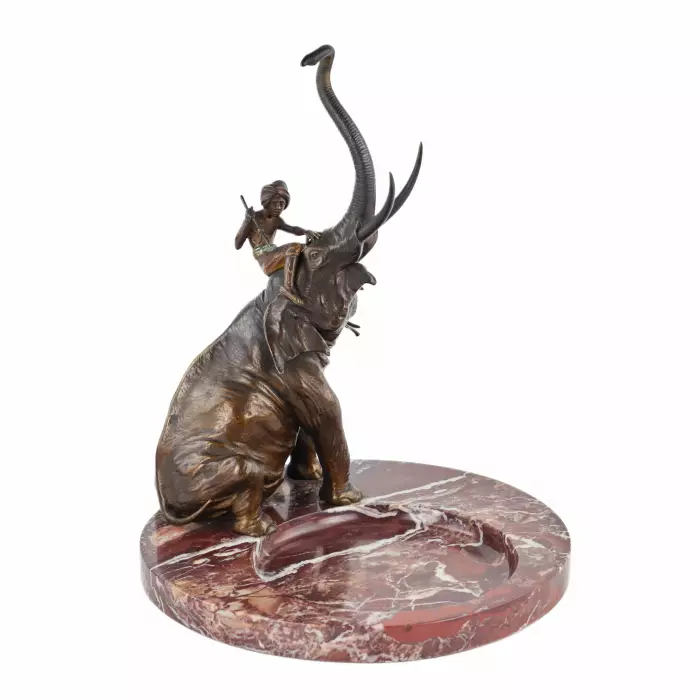
One of the most important techniques associated with bronze is lost-wax casting (cire perdue), which allows the creation of complex sculptural forms with a high level of detail. After casting, the surface may be finished through chasing, engraving, polishing, gilding or patination.
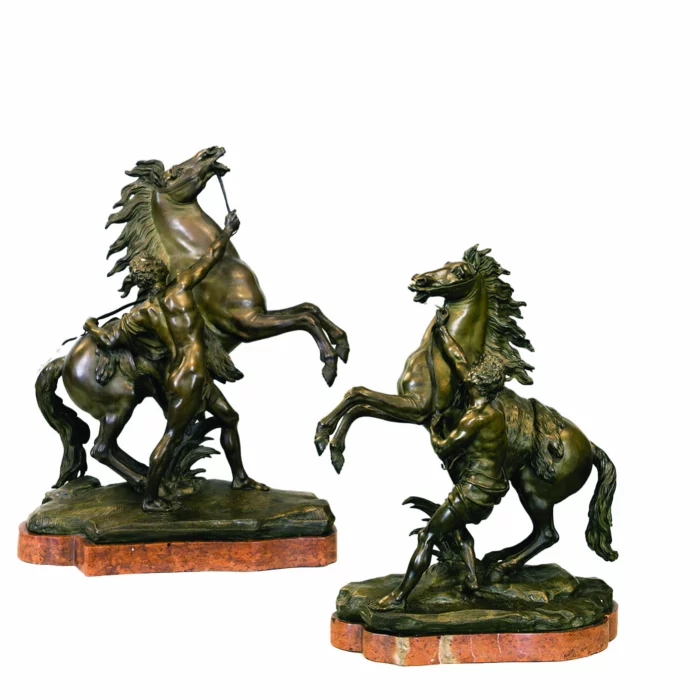
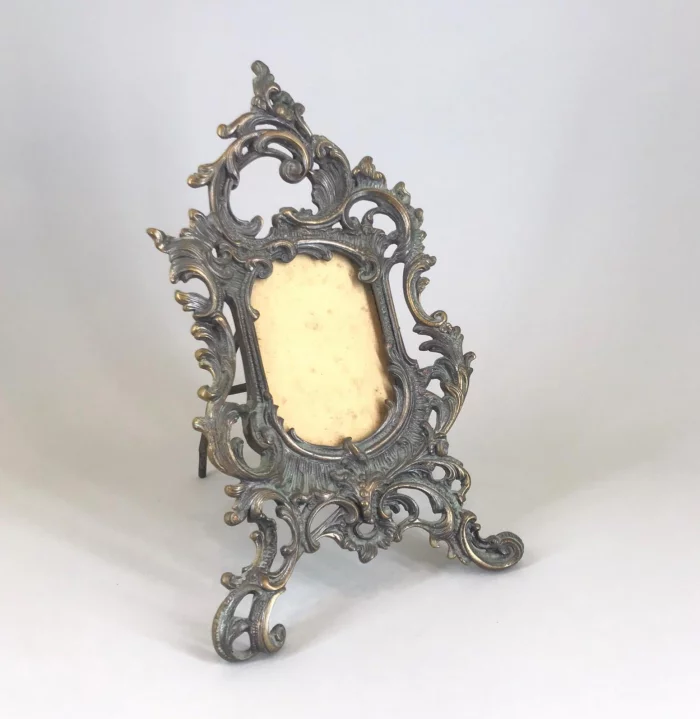
Patina plays an important aesthetic role, enhancing the relief, depth of the surface and historical character of the artwork.
AESTHETIC AND ARTISTIC FEATURES
Bronze is appreciated for its combination of durability and artistic expressiveness. It allows artists to create both monumental forms and highly detailed sculptures, accurately rendering textures, surfaces and decorative elements.
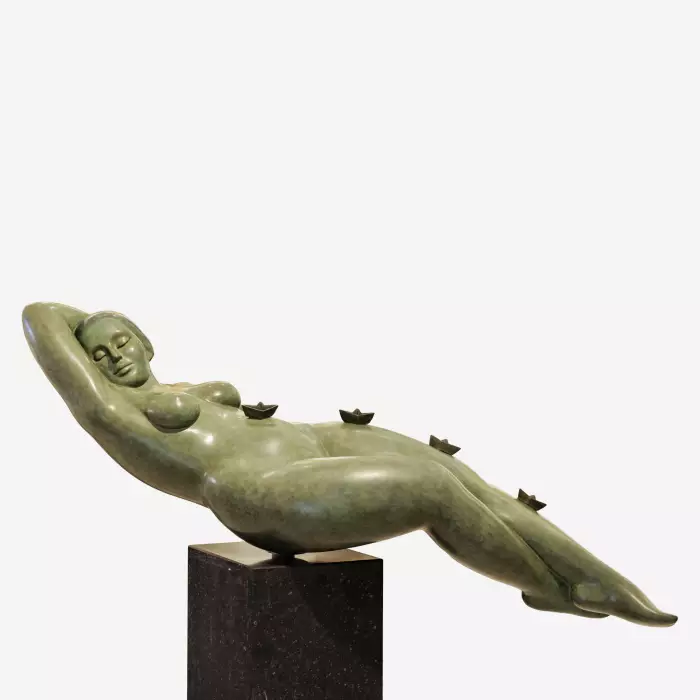
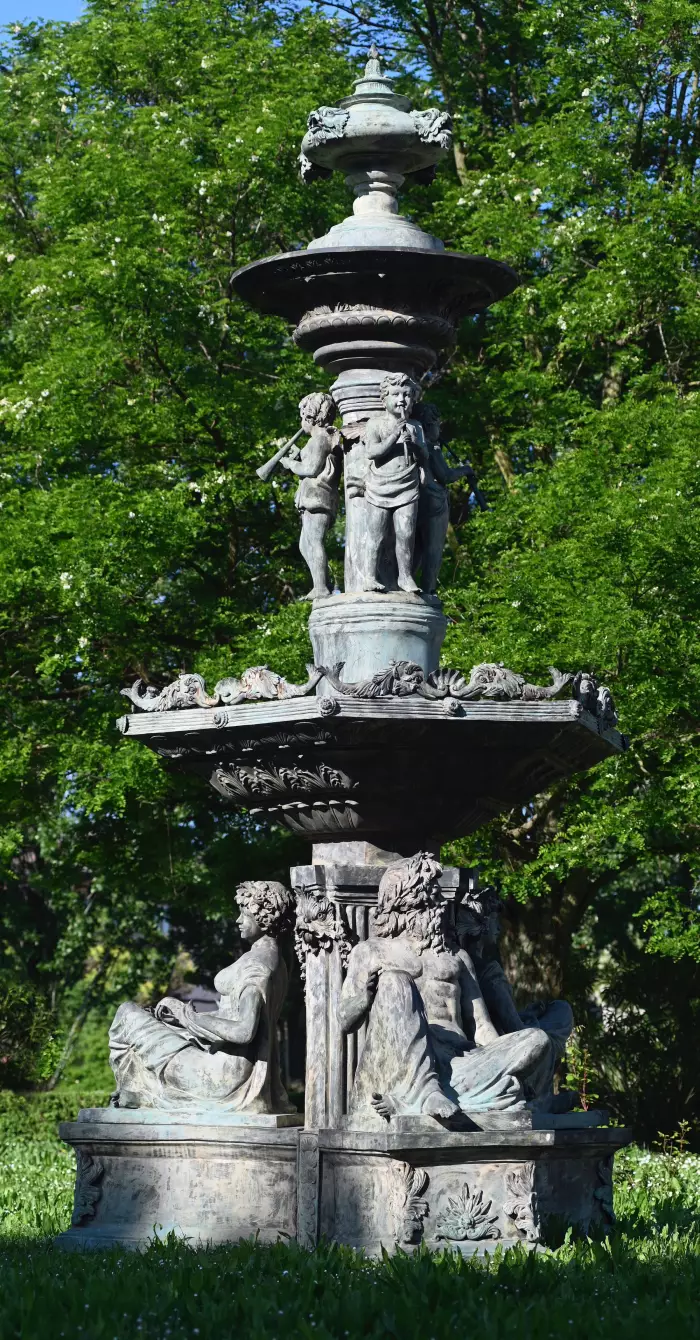
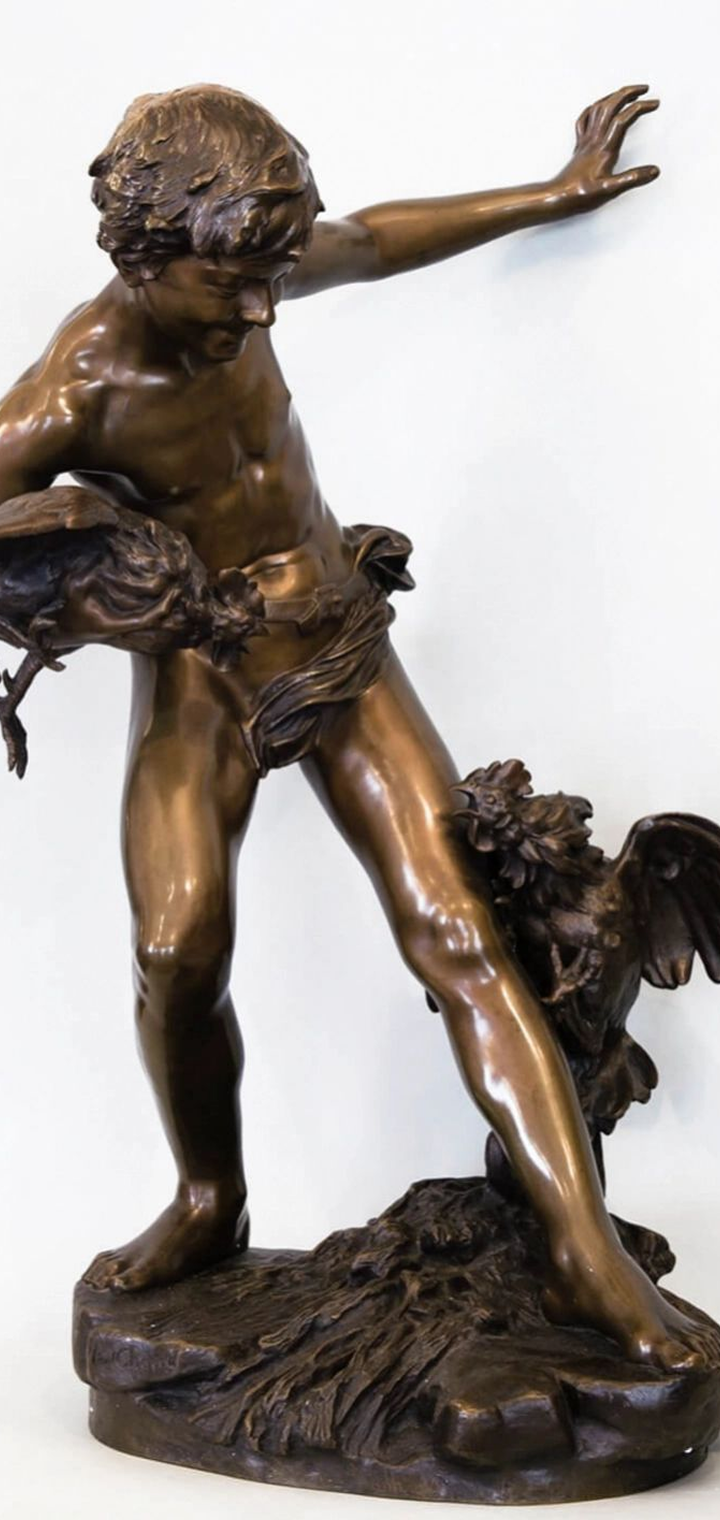
The colour range of bronze varies from warm golden-brown tones to deep green and dark patinated shades. Its surface interacts with light, emphasizing volume, modelling and the sculptural qualities of the form.
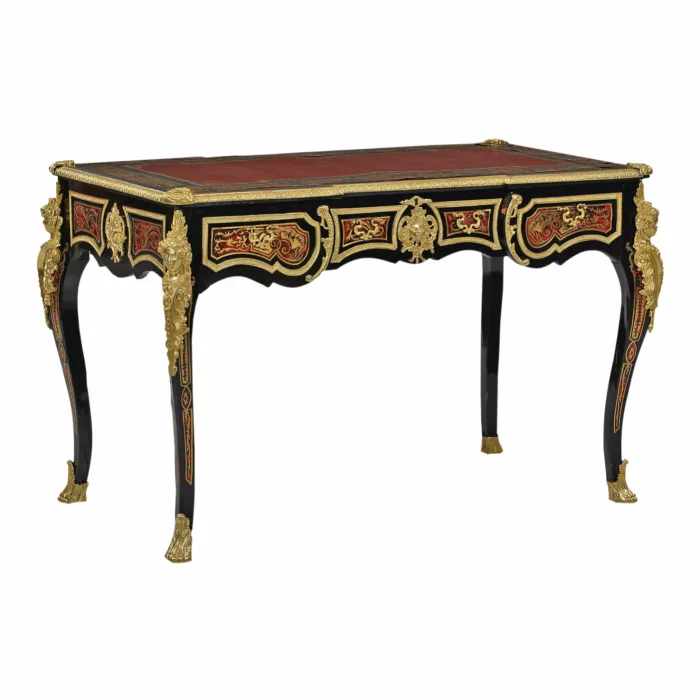
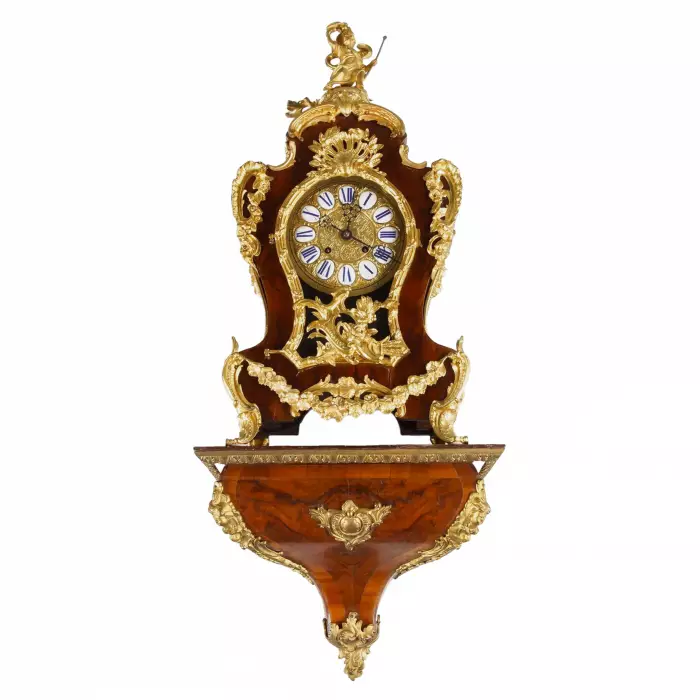
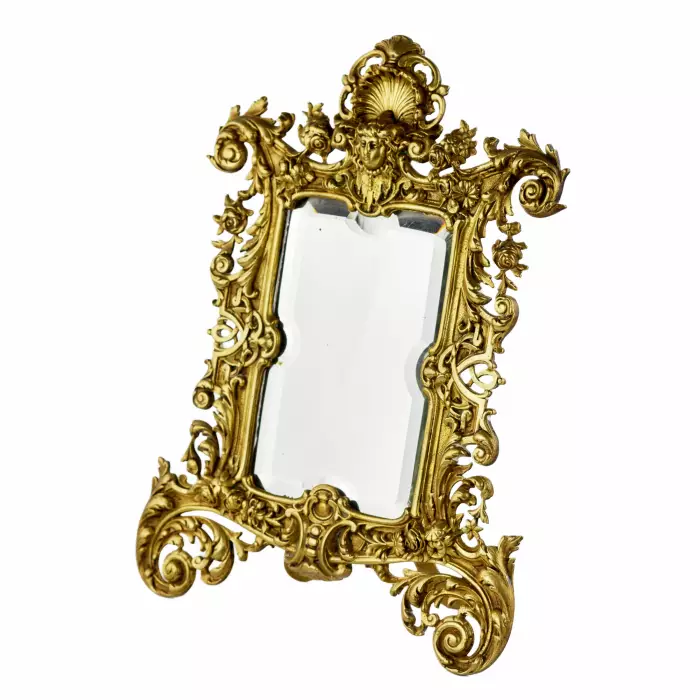
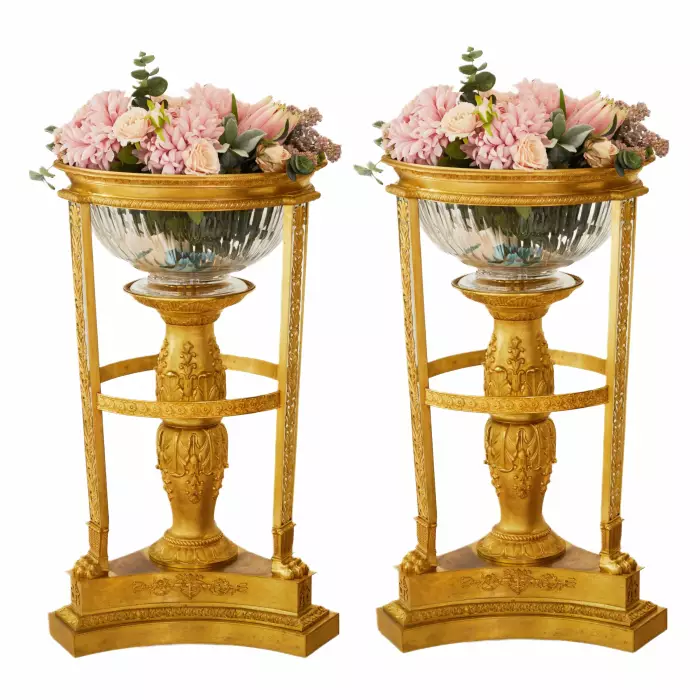
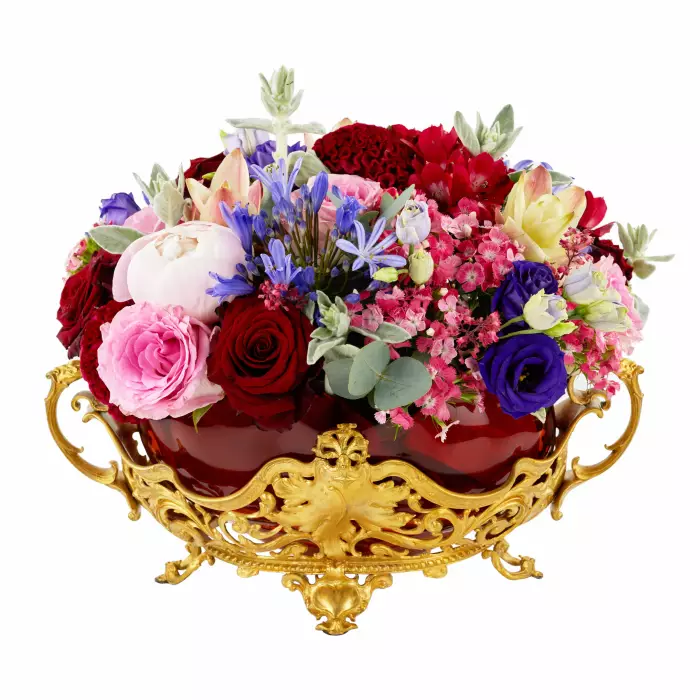
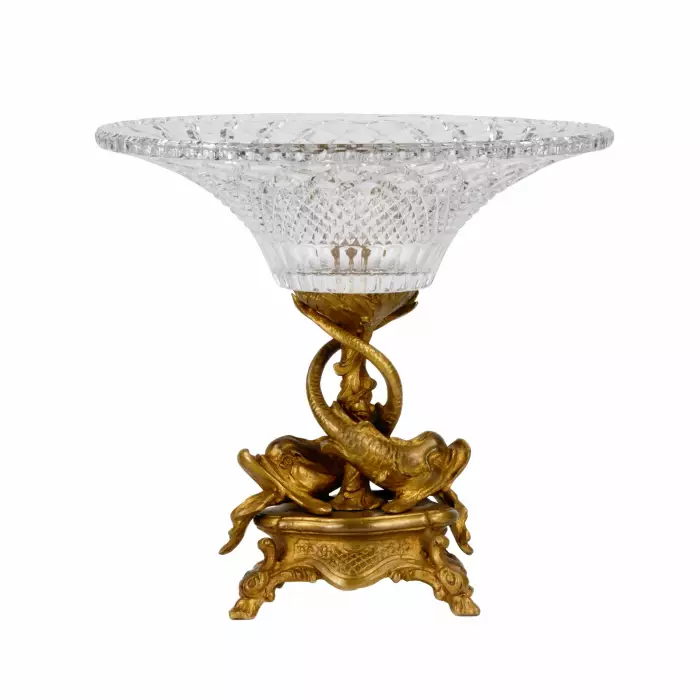
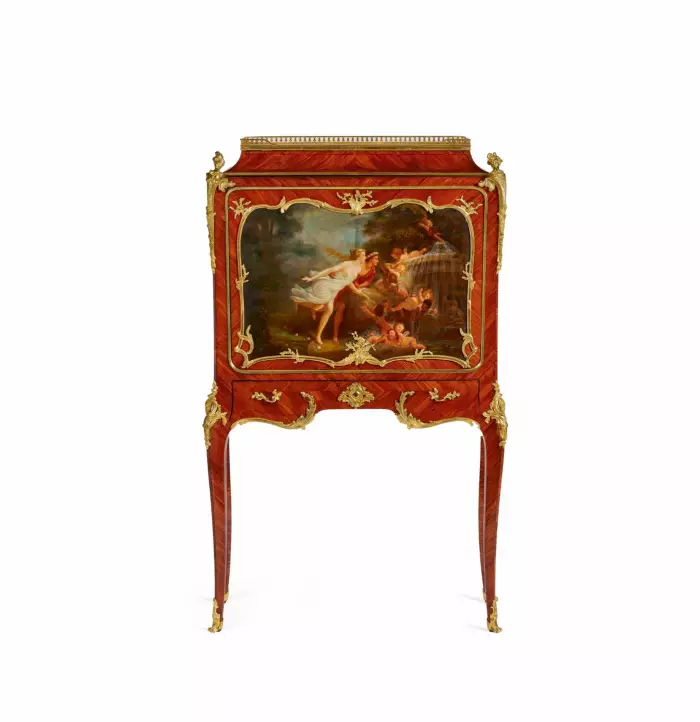
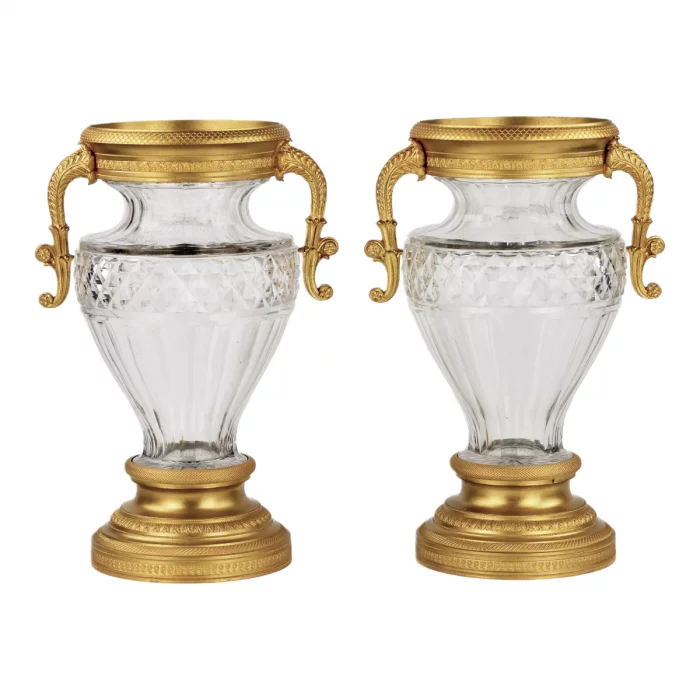
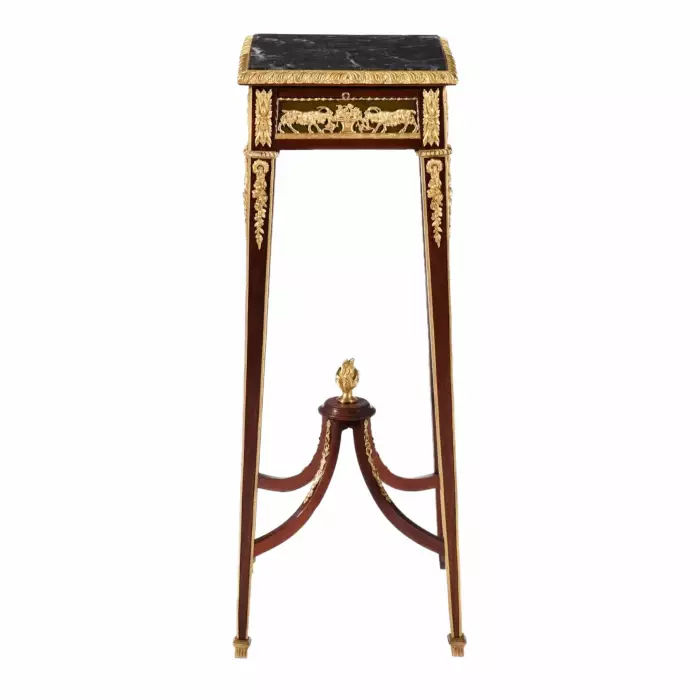
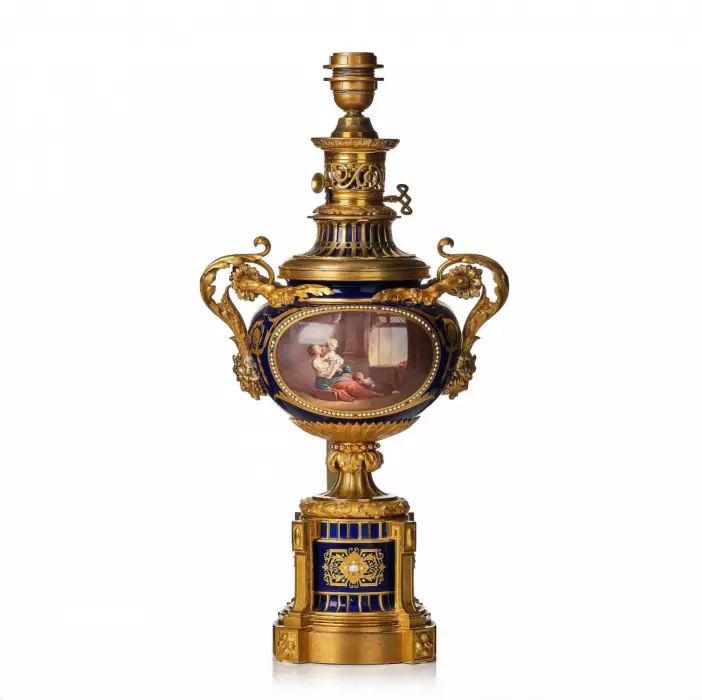
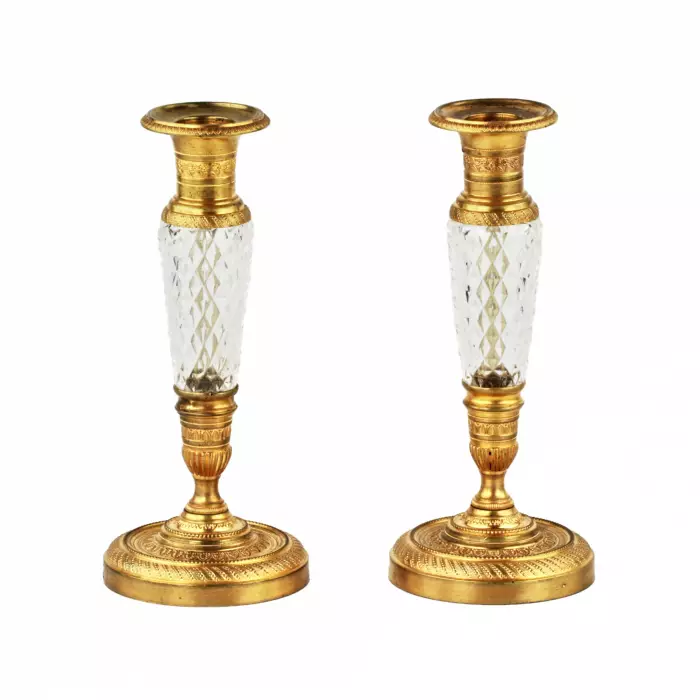
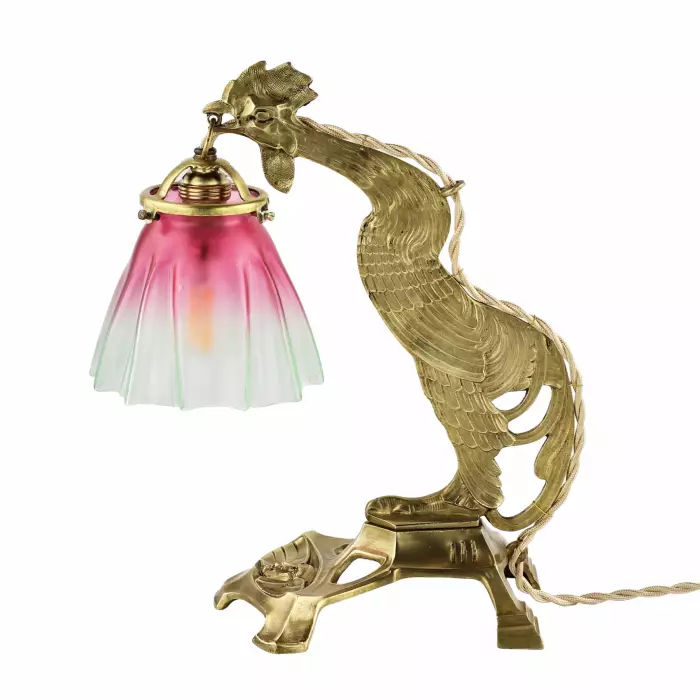
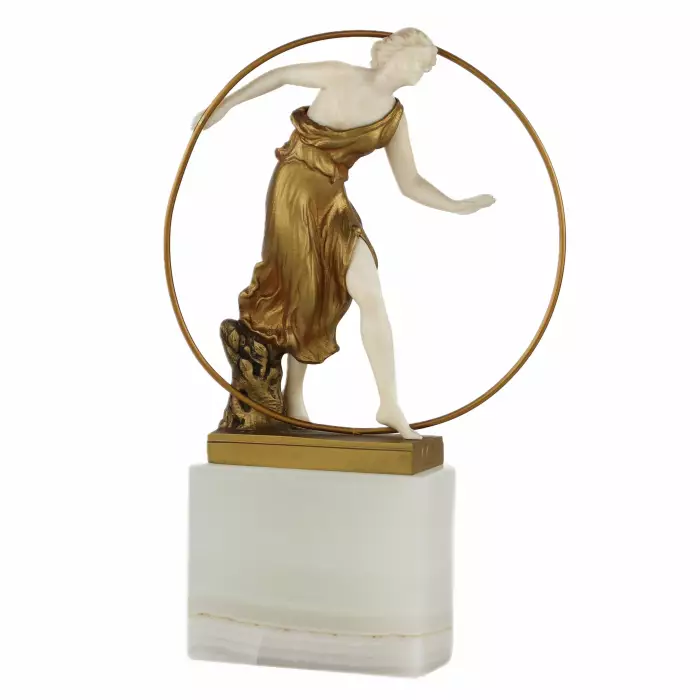
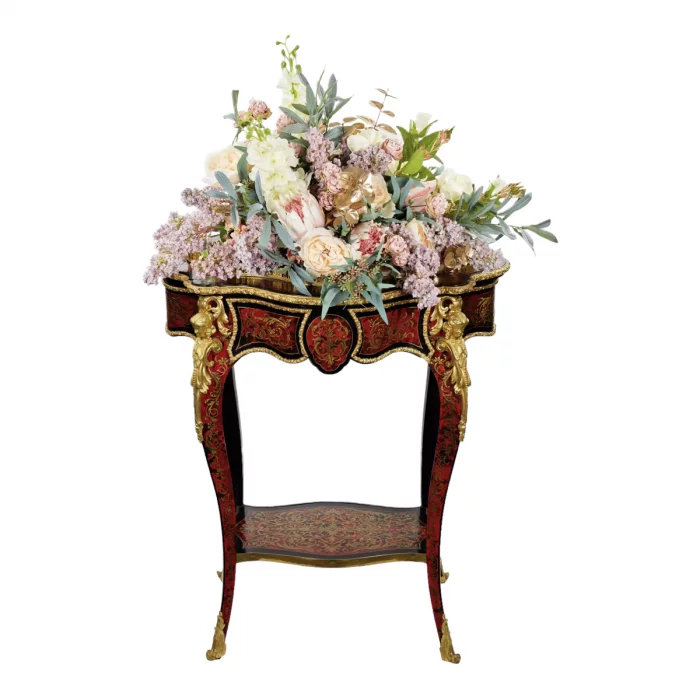
A particularly important place belongs to gilt bronze (bronze doré), which was widely used in France during the 18th and 19th centuries for luxury decorative objects of the Louis XV, Louis XVI and Empire periods.
HISTORICAL EXAMPLES AND USAGE
Bronze has been used by outstanding artists and craftsmen throughout history - from ancient sculptors to Renaissance masters and European bronze founders of the 19th century.
Important examples include classical bronze sculptures, works by Donatello, French decorative bronzes of the 18th and 19th centuries, as well as creations by renowned foundries such as Ferdinand Barbedienne.
Today, bronze works are represented in the world’s leading museum collections and remain one of the fundamental materials of decorative and applied arts.