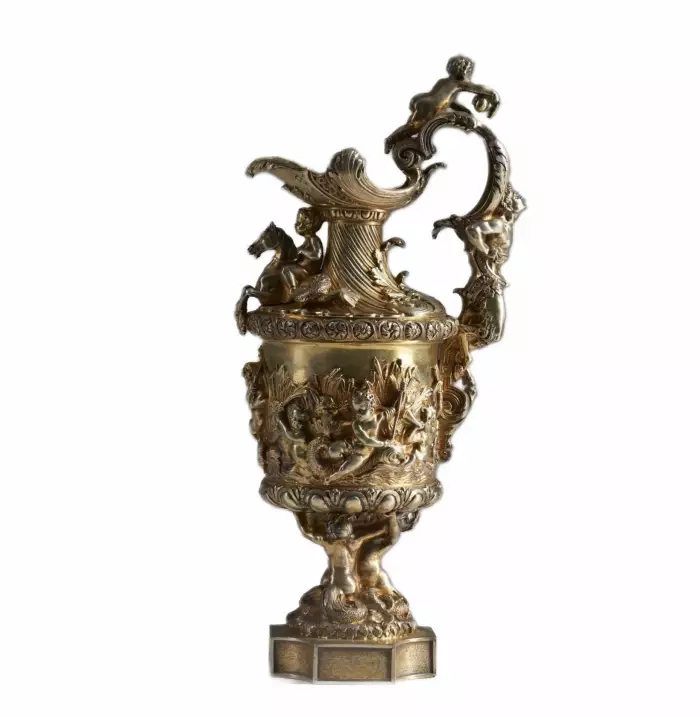
IMPORTANT SILVER-GILT PRESENTATION EWER WITH MARINE ALLEGORY GRACHEV BROTHERS FIRM SAINT PETERSBURG, RUSSIA, 1884
AntiqonART consultant will contact you within one business day after receiving your request.
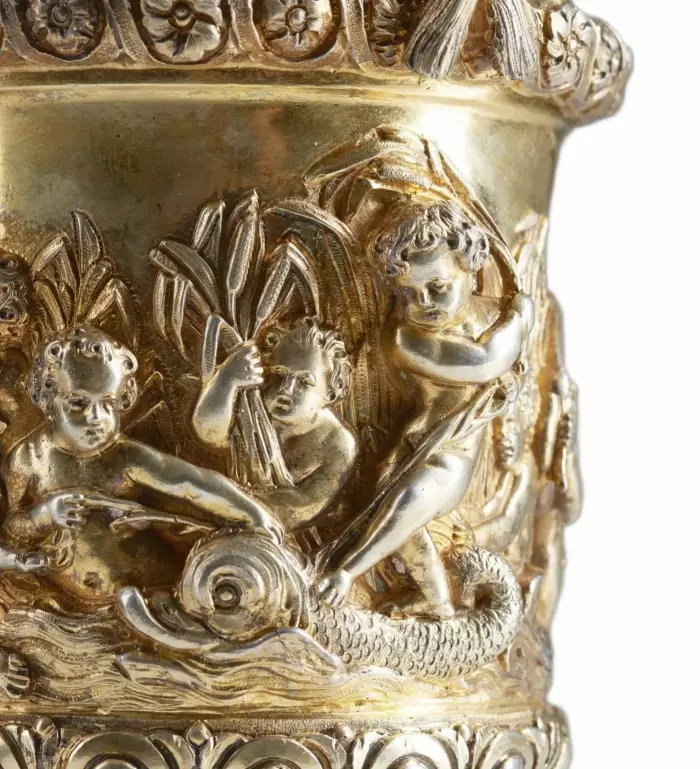
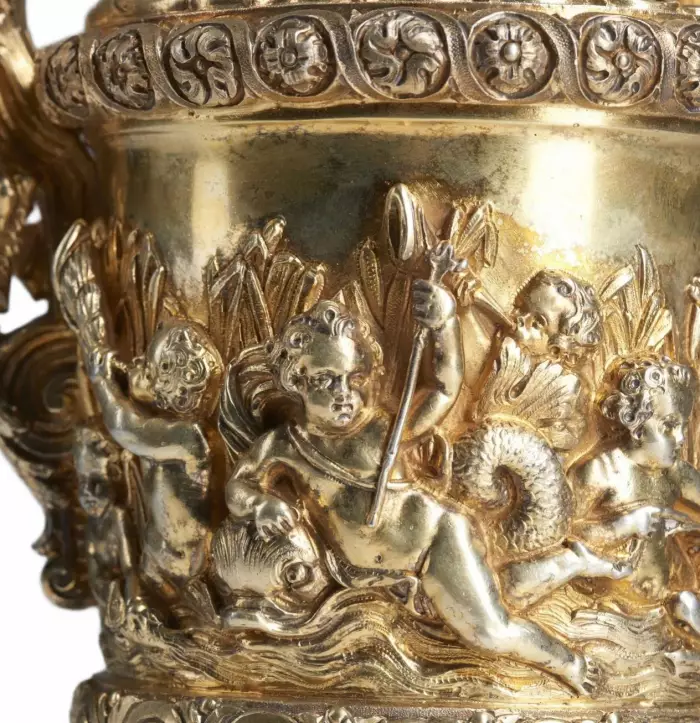
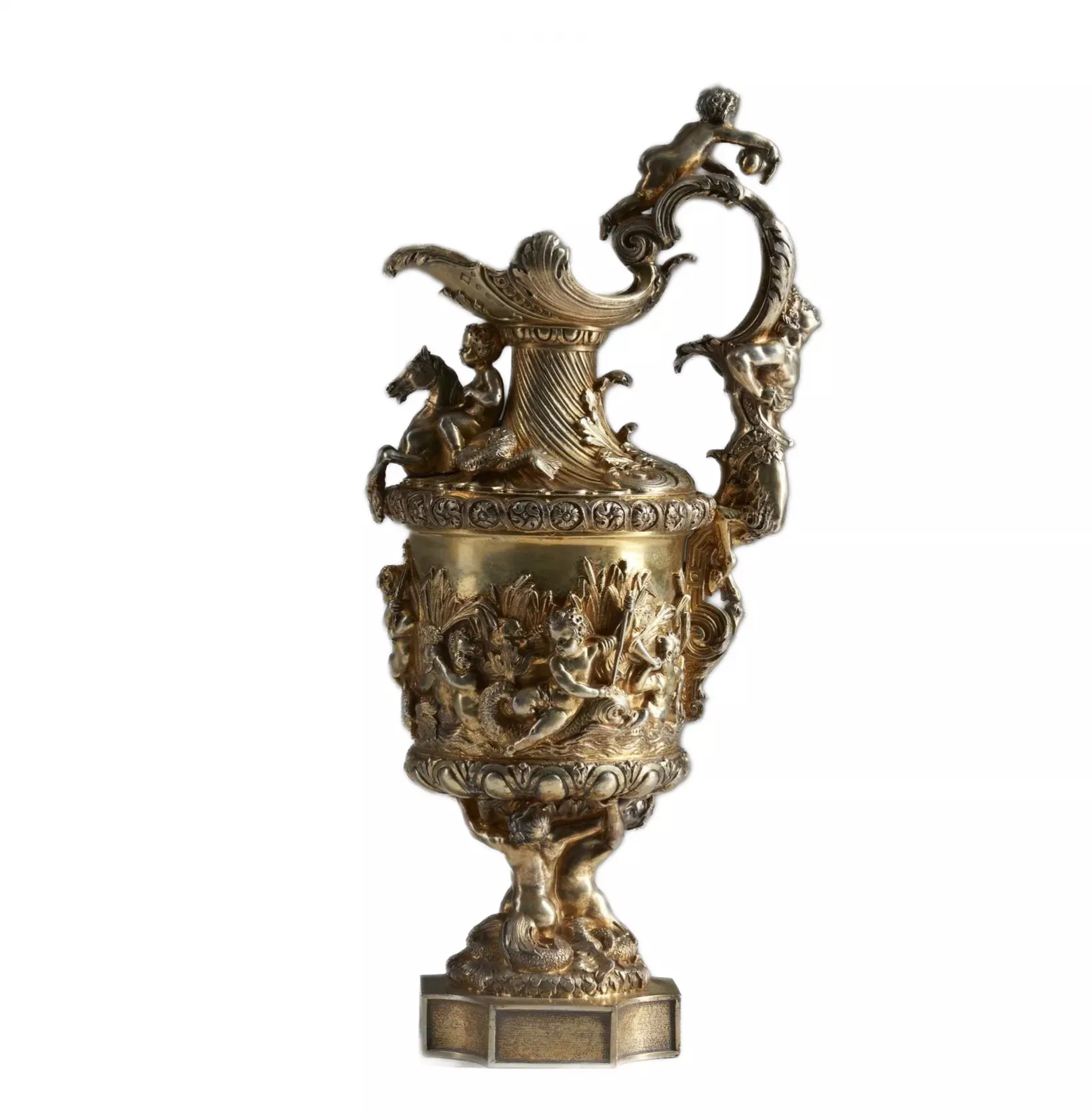
An important monumental silver-gilt presentation ewer of baluster form, executed in the traditions of Neo-Rococo and Historicism. The richly gilded body is decorated with an elaborate sculptural composition depicting putti, dolphins, hippocampi, tritons, shells and luxuriant aquatic foliage. A high-relief frieze with cupids playing among waves and reeds encircles the body, creating a complete allegorical representation of the marine realm.
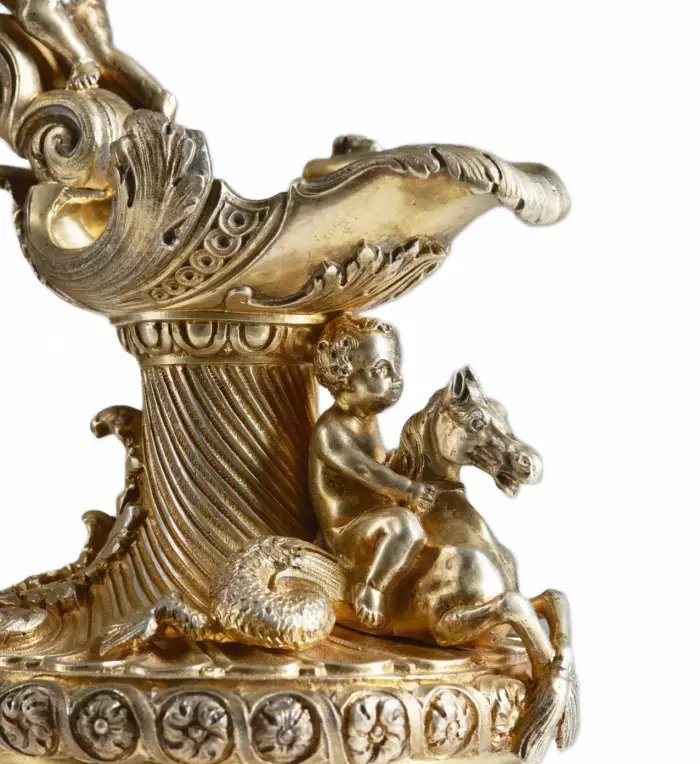
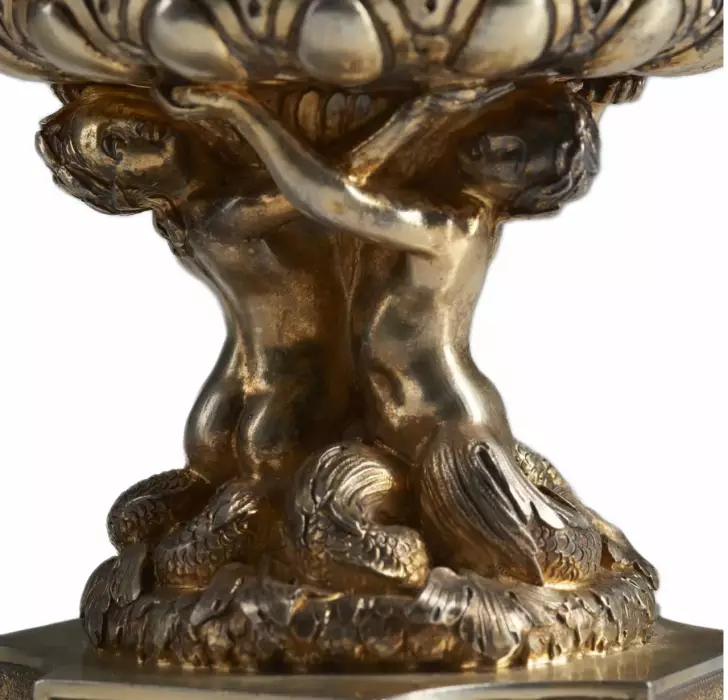
The sculptural handle is modelled as a sea nymph with a fish tail, transforming into a rocaille scroll surmounted by a figure of a putto holding a vessel. The upper section is decorated with the figure of a child seated upon a hippocampus. The base is supported by three figures of putti positioned among shells and fantastic sea creatures. The exceptional quality of the silver casting, deep repoussé work, meticulous hand finishing and virtuoso attention to the smallest details demonstrate the highest level of craftsmanship and place this object among the most prestigious creations produced by the Grachev Brothers firm.
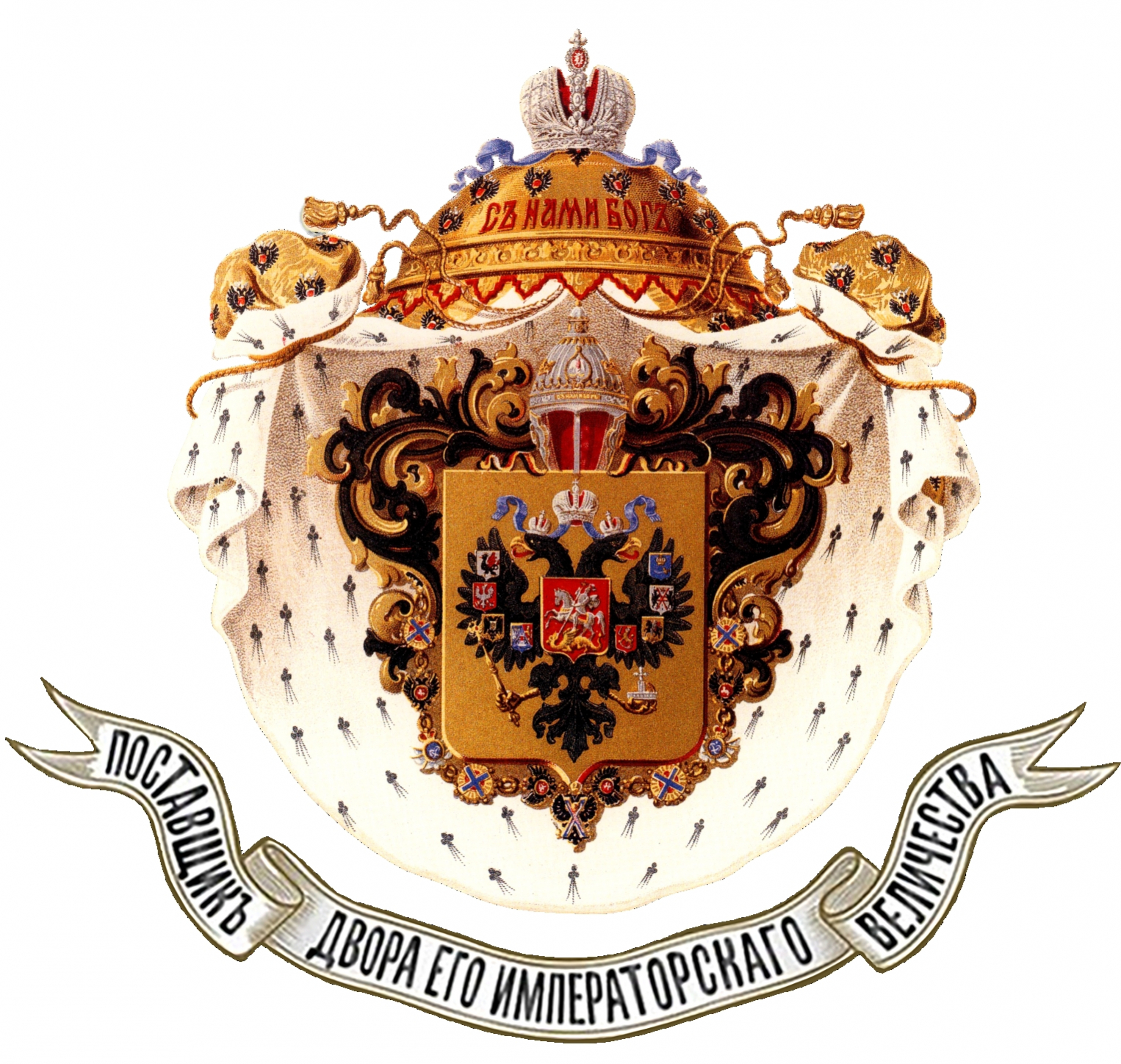
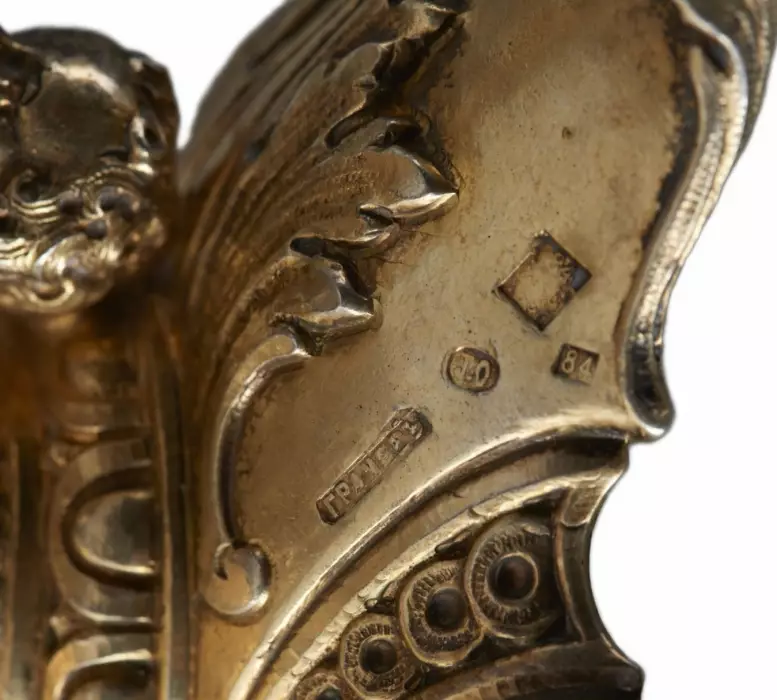
Marks: Maker’s mark «ГРАЧЕВЪ» for the Grachev Brothers firm; oval workmaster’s mark «ИО» - Johan Olsonius; silver standard mark «84»; Saint Petersburg assay marks, 1884.
Dimensions: Height: 43.5 cm. Width: 21.5 cm.
Weight: 5490.7 g.
Condition: Good collector’s condition. The original gilding is preserved. Minor signs of age and natural patina consistent with the history of the object. No visible losses to the decorative elements.
Provenance: Private European collection. Previously Christie’s auction.
The Grachev Brothers firm occupies a distinguished position in the history of Russian jewellery and silver craftsmanship of the second half of the 19th century. Established in Saint Petersburg, the workshop became one of the leading producers of luxury objects in Imperial Russia, earning recognition for its exceptional quality, technical refinement and richness of artistic expression.
During the age of Historicism, the masters of the Grachev firm skilfully interpreted various European historical styles, creating works inspired by the Renaissance, Baroque, Rococo and national artistic traditions. Neo-Rococo held a particularly important place, drawing inspiration from 18th-century French art, the courtly aesthetics of the reign of Louis XV and the ornamental vocabulary of rocaille decoration.
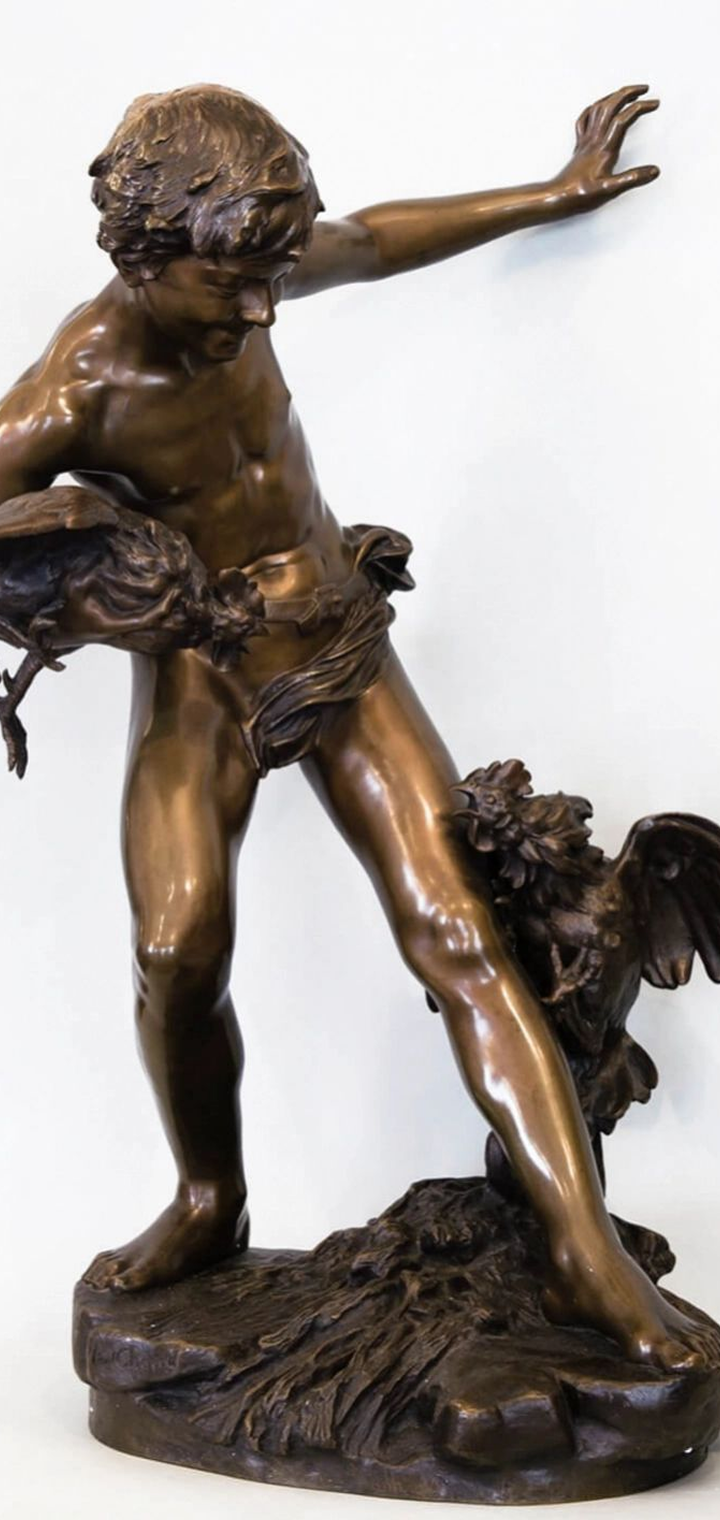
The composition of the present presentation ewer is stylistically derived from a French model created by the Parisian bronze makers Eugène De Labroue and Eugène Vittoz circa 1870-1880, known through surviving bronze examples. The adaptation of celebrated European models by Russian jewellery workshops reflects a common 19th-century artistic practice, in which important compositions were reinterpreted through different materials and techniques. The execution of this model in 84 zolotnik silver with rich gilding represents a considerably rarer and more prestigious version compared with decorative bronze examples.
The marine theme, represented through figures of nymphs, tritons, putti, dolphins and mythical sea creatures, derives from the traditions of European decorative art of the 17th and 18th centuries. Such compositions symbolised abundance, fertility, the power of nature and universal harmony. In ceremonial silver objects, these allegorical subjects emphasised both the status of the owner and the exceptional artistic quality of execution.
The creation of such an object required extraordinary technical mastery. Multi-part silver casting, deep repoussé and chasing, engraving, gilding and final hand finishing transformed an object of decorative art into a sculptural work of palace quality.
By the late 19th century, the works of the Grachev Brothers firm had gained recognition at the Russian Imperial Court and became a symbol of the excellence of the Saint Petersburg jewellery and silversmithing tradition. Today, works by Grachev are represented in major museum and private collections and are regarded among the finest examples of Russian silver of the Historicist period.
The object is in good collector’s condition. The original gilding is preserved with a natural age-related patina. Minor signs of use are consistent with the age and history of the piece. Sculptural and decorative elements remain without visible losses.
The condition report is provided for informational purposes only.
It is not comprehensive and may not reflect all defects, restorations, alterations, or adaptations, as Antiqon does not perform professional conservation-level assessments. The information is based on a qualified, yet subjective, evaluation by our specialists.Before purchasing, we recommend consultation with an independent expert.Please also consult our Terms and conditions and Glossary A-Z, which contain important information on lot characteristics and sale conditions.