×
Create account and receive
15% DISCOUNT
your first acquisition
or
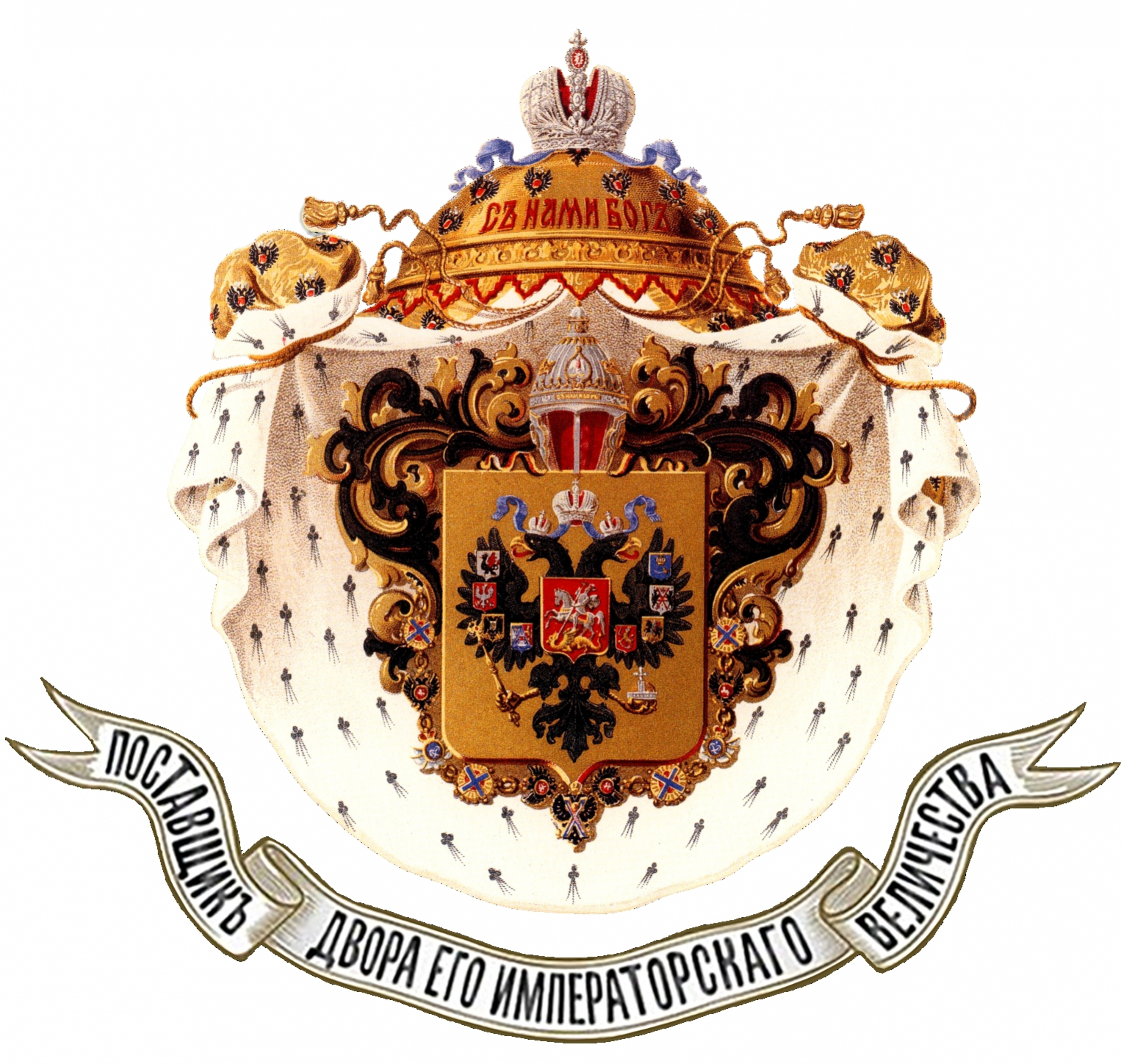
The firm of Ignaty Sazikov was one of the leading Russian silver and jewellery manufacturers of the 19th century and an official Supplier to the Imperial Court. The company became renowned for its exceptional silver works, combining academic sculptural traditions, the Russian Revival style and outstanding technical craftsmanship.
We will only share latest what our month on the THE FIRM OF IGNATY SAZIKOV.
The history of the Sazikov firm began in 1810, when Pavel Fyodorovich Sazikov established a silver workshop in Moscow, which later became one of the most important names in the history of Russian decorative and applied arts of the 19th century. The enterprise reached its highest level of recognition under his son, Ignaty Pavlovich Sazikov (1793-1868).
Ignaty Sazikov significantly expanded production, introduced advanced European methods of workshop organisation and transformed the family business into a major manufactory of artistic silver. In addition to the Moscow workshops, a branch was opened in Saint Petersburg in 1842, enabling the company to fulfil important commissions for the Imperial Court and the Russian aristocracy.
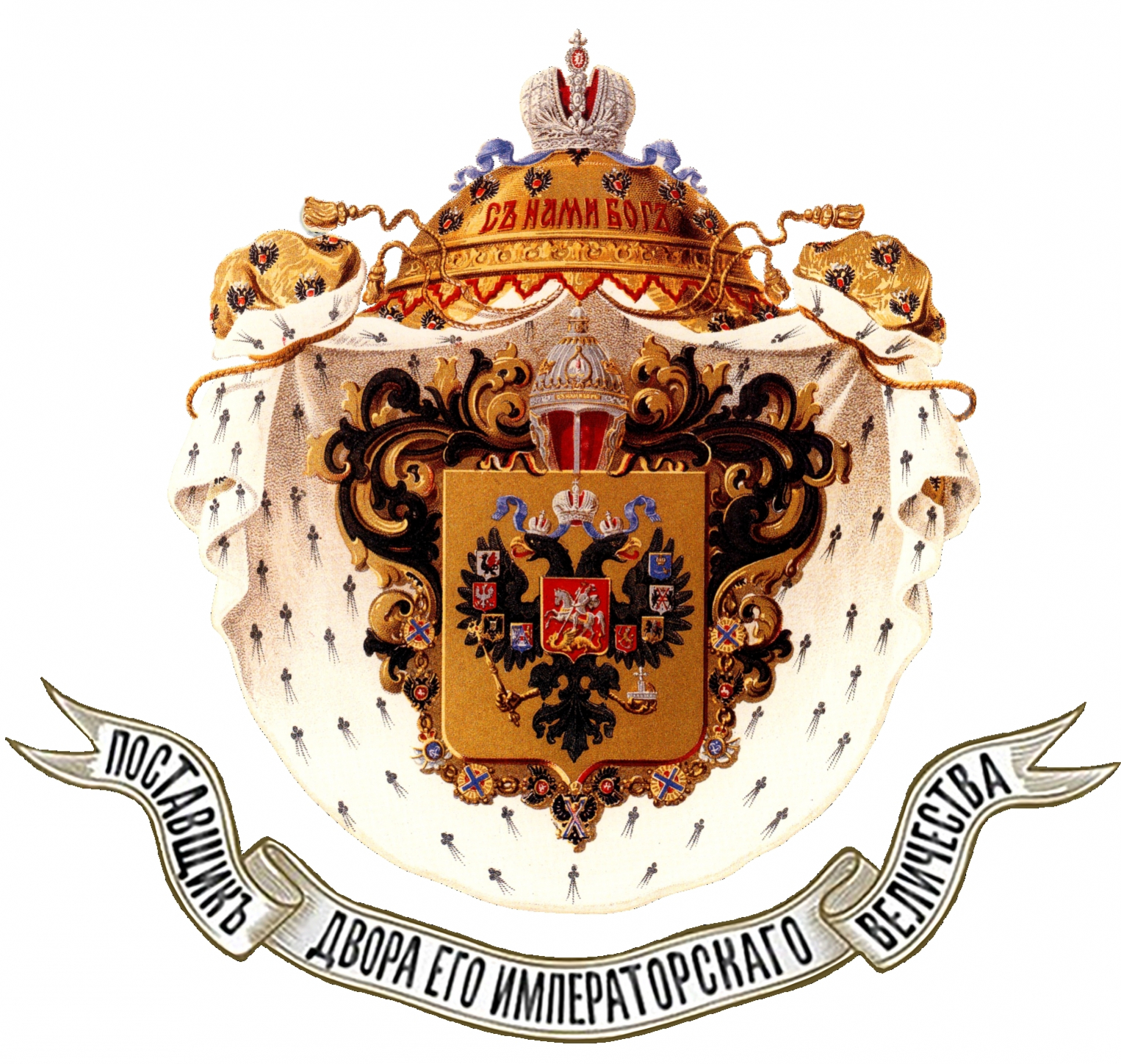
In 1846, the firm received the prestigious title of Supplier to the Court of His Imperial Majesty. After Ignaty Sazikov’s death, the business was continued by his sons Sergey, Pavel and Valentin Sazikov. In 1887, the manufactory was acquired by the Khlebnikov firm, marking the end of the independent history of one of the most important Russian jewellery houses of the 19th century.
The Sazikov firm received numerous awards and distinctions at Russian and international exhibitions. Its participation in the Great Exhibition in London in 1851 was particularly significant, where the company’s works were recognised for their artistic quality and originality of execution.
The firm created ceremonial commissions for the Russian Imperial Court, European aristocracy and state institutions. Sazikov’s works were regarded by contemporaries as important examples of the development of a national artistic movement in Russian silver.
The firm of Ignaty Sazikov played an essential role in the development of the Russian Revival style in mid-19th-century jewellery and silver production. Its works are characterised by the use of historical and national motifs, Old Russian ornamentation, genre scenes and sculptural compositions.
Main techniques and materials:
silver
gilding
casting
repoussé and chasing
engraving
textured surface treatment
relief silverwork
sculptural modelling
enamel
niello
The firm became especially famous for objects with three-dimensional sculptural elements, including kovshes, bratinas, presentation cups, salts, table services and decorative compositions combining functional design with sculptural form.
Main stylistic directions:
Historicism
Russian Revival
Neo-Russian style
19th-century National Romanticism
Among the most important works produced by the Sazikov firm are:
the silver sculptural group “Troika”, mid-19th century - an example of the combination of genre sculpture and silversmithing mastery;
ceremonial silver services created for the Imperial Court;
kovshes and bratinas in the Russian Revival style inspired by historical forms and traditional ornamentation;
cabinet silver compositions depicting scenes from Russian life.
Works by the Sazikov firm are preserved in major museum collections:
The State Hermitage Museum, Saint Petersburg
The State Historical Museum, Moscow
Moscow Kremlin Museums
Victoria and Albert Museum, London
The legacy of Sazikov occupies a central place in the history of 19th-century Russian silver alongside the most prominent jewellery houses of the Russian Empire.
Works by the firm of Ignaty Sazikov are among the most sought-after examples of Russian artistic silver of the 19th century. Particular interest is focused on pieces from the period of Ignaty Sazikov himself, objects with Imperial provenance, large sculptural compositions and works created in the Russian Revival style.
Exceptional museum-quality pieces associated with Imperial commissions or international exhibitions represent the highest segment of the Russian silver market.
Rare works, including kovshes, cups, bratinas, decorative vessels and cabinet silver sculptures, maintain strong collector demand due to their craftsmanship and historical importance.
Series-produced objects, including table silver and domestic items, continue to attract collectors because of the recognition of the Sazikov name and its fundamental role in the development of Russian jewellery and silversmithing of the 19th century.