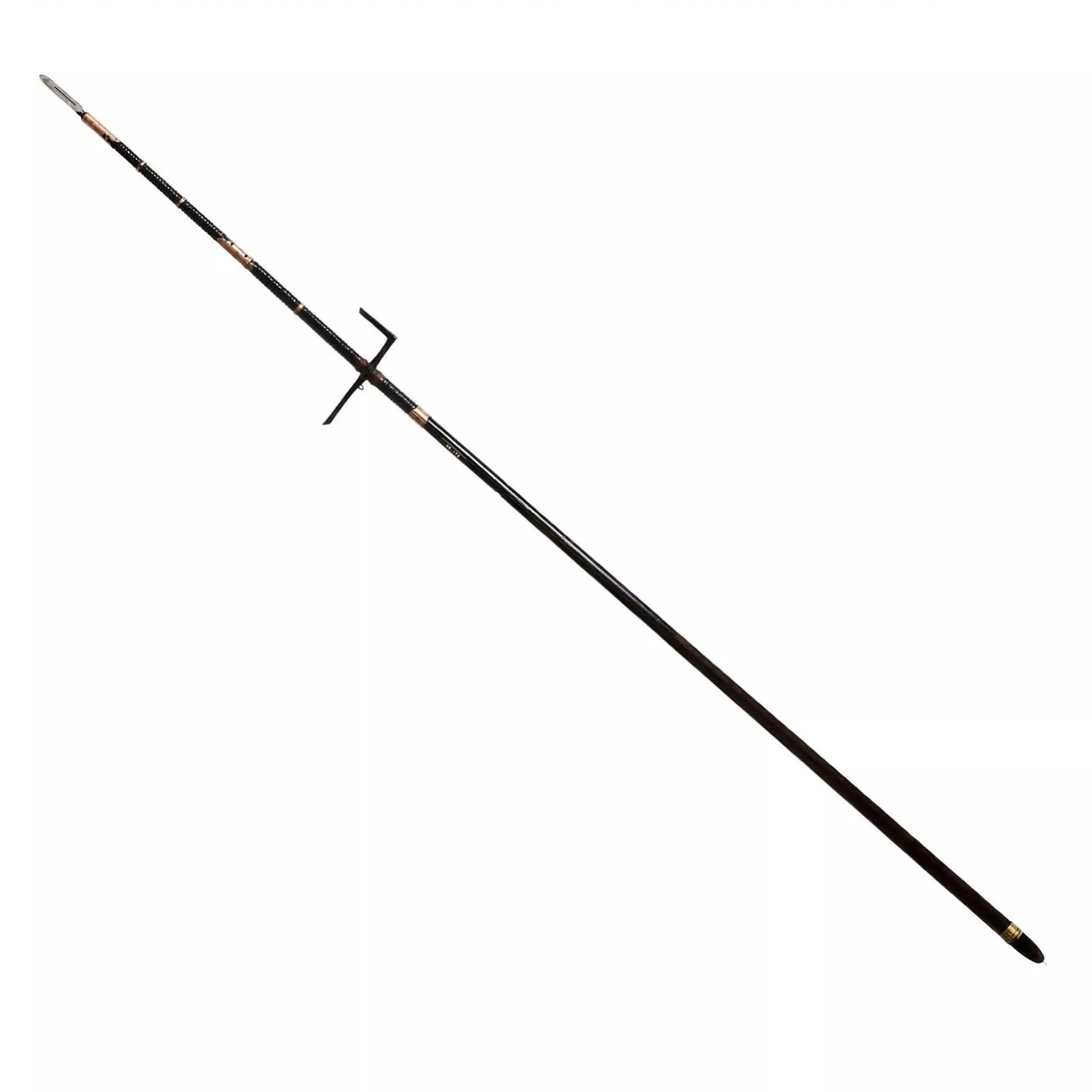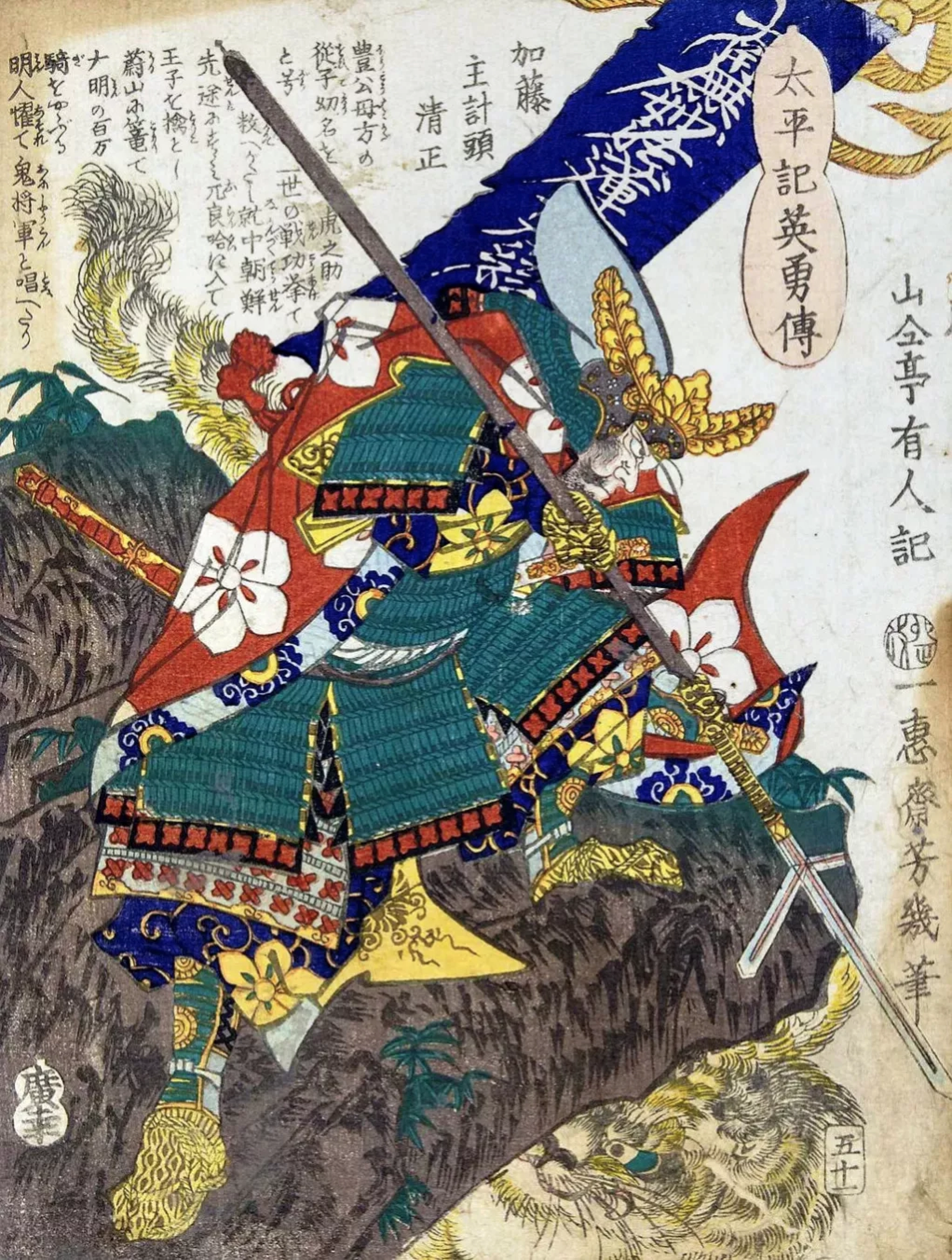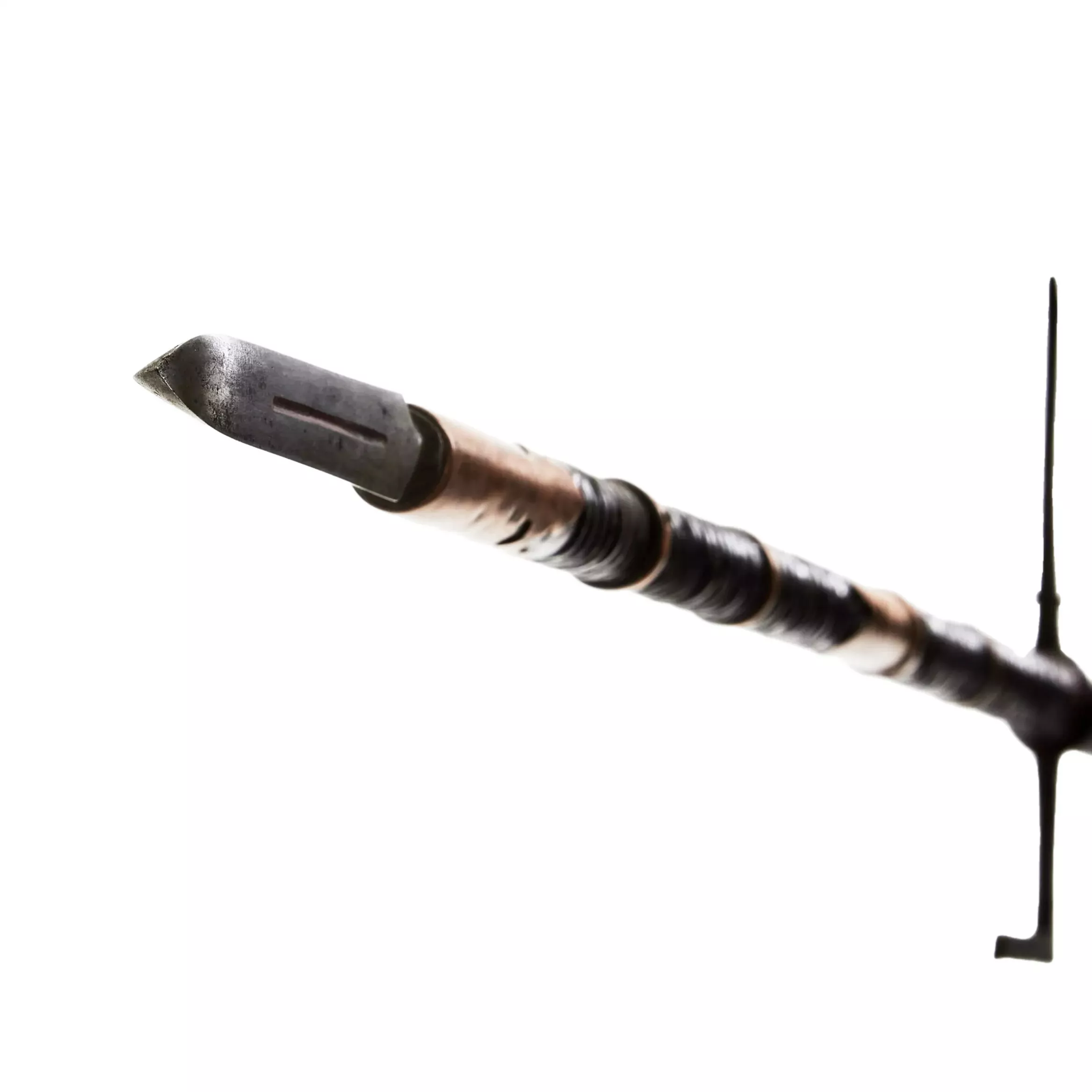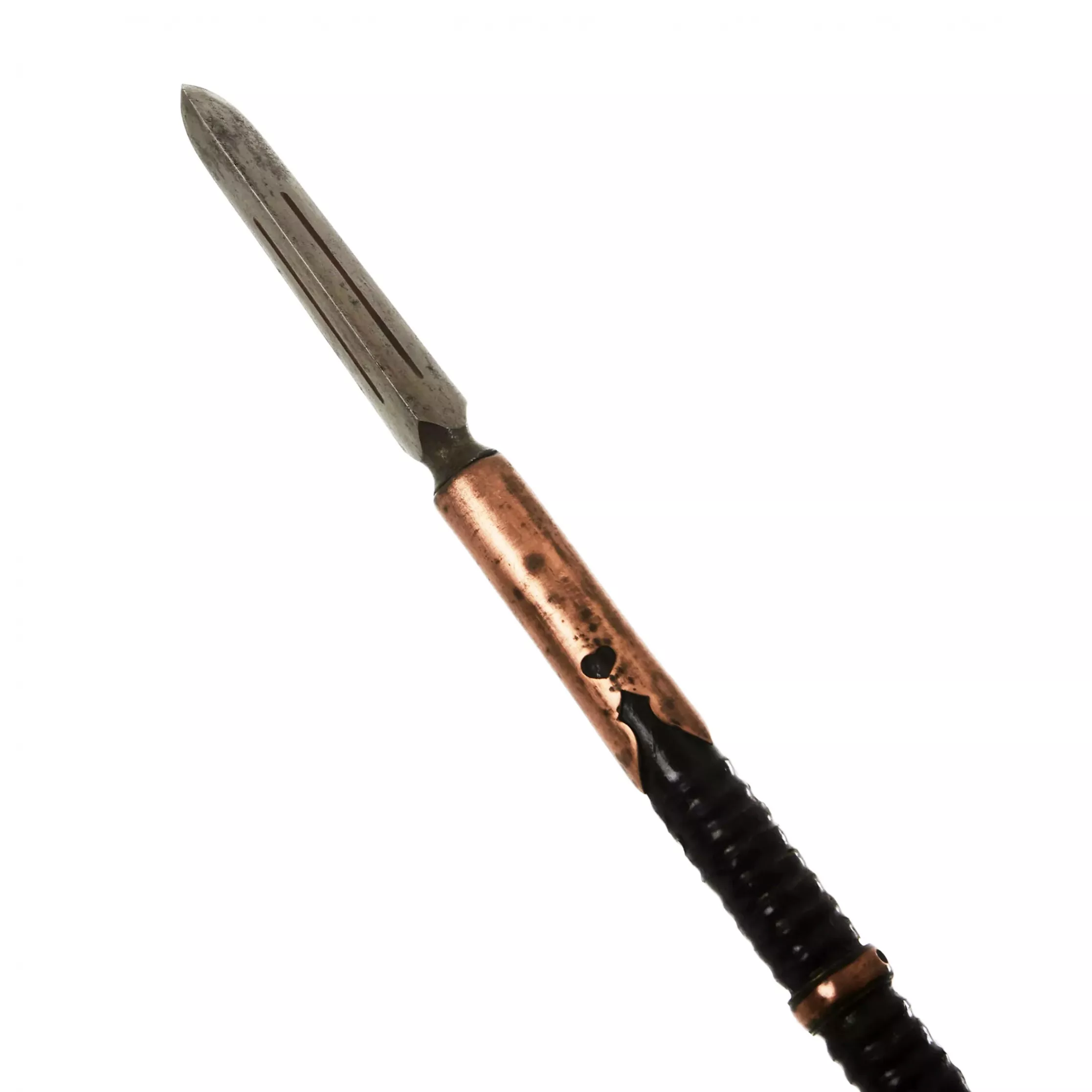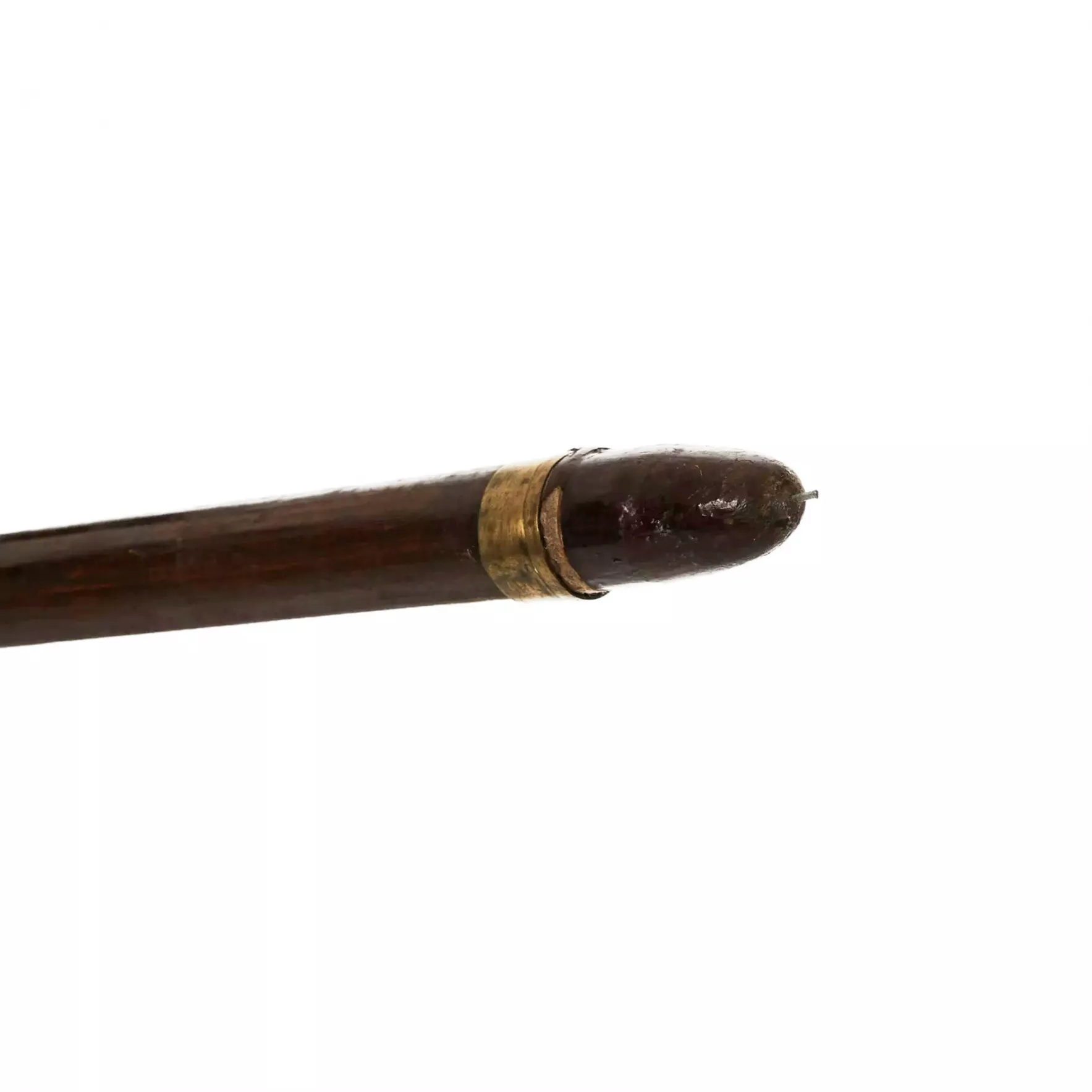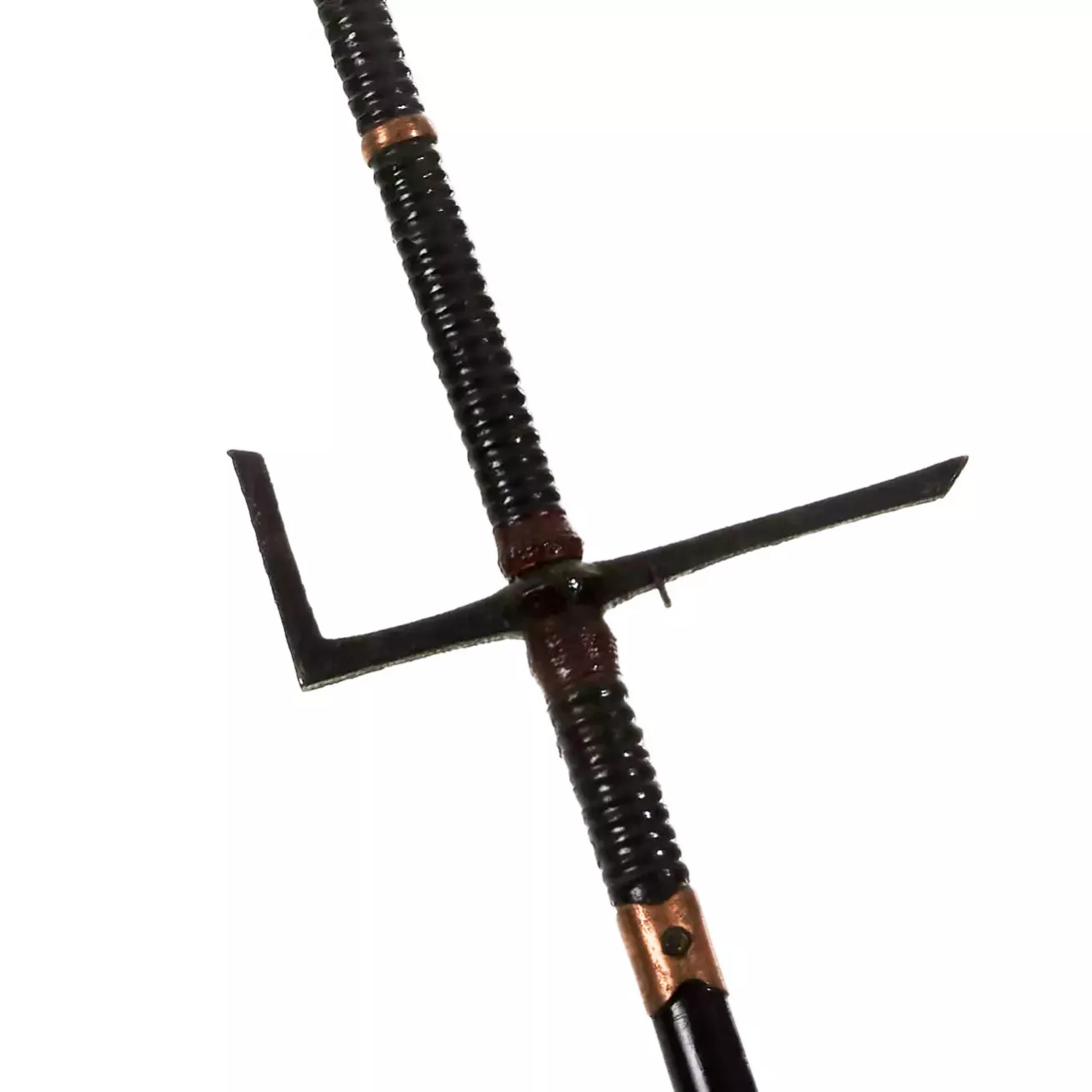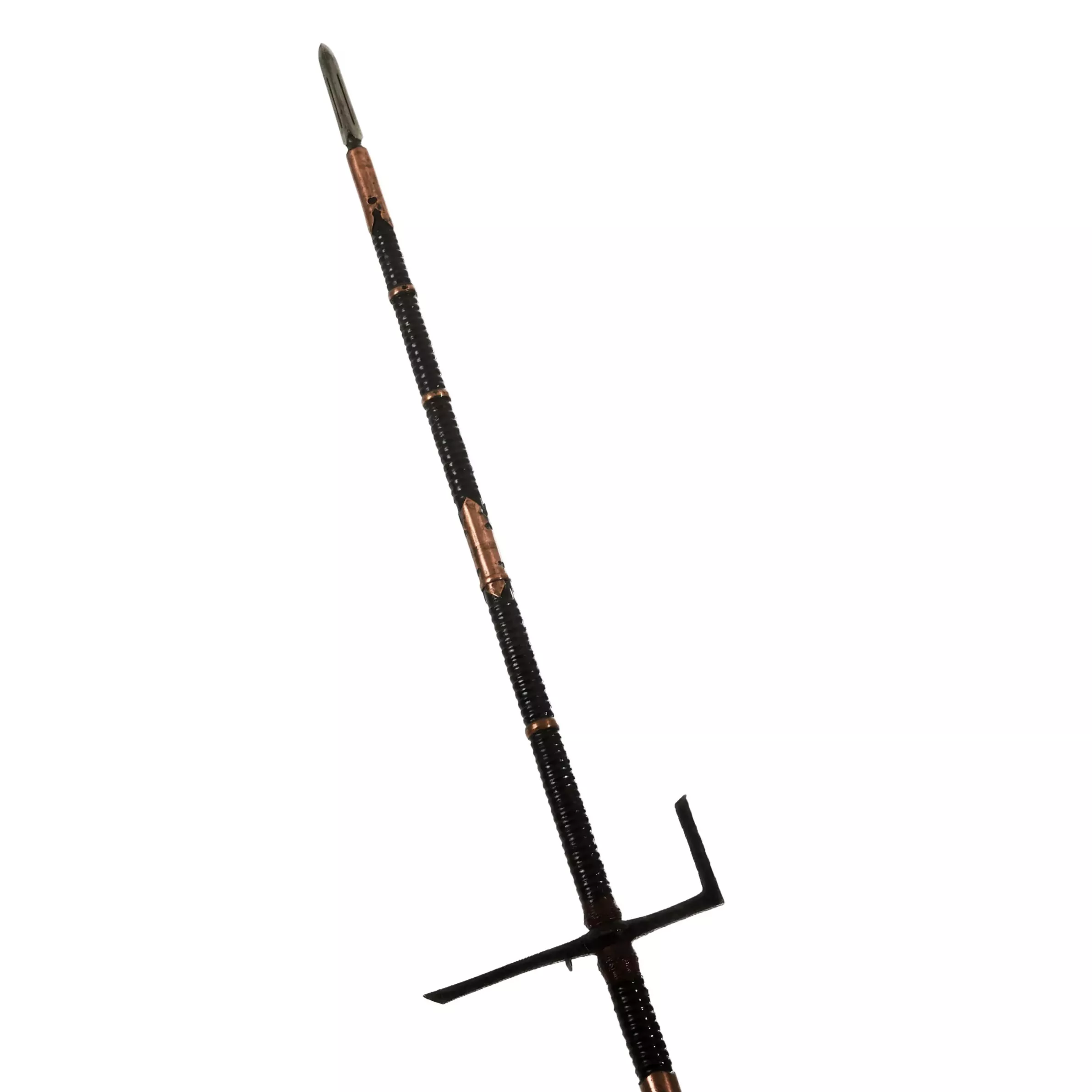
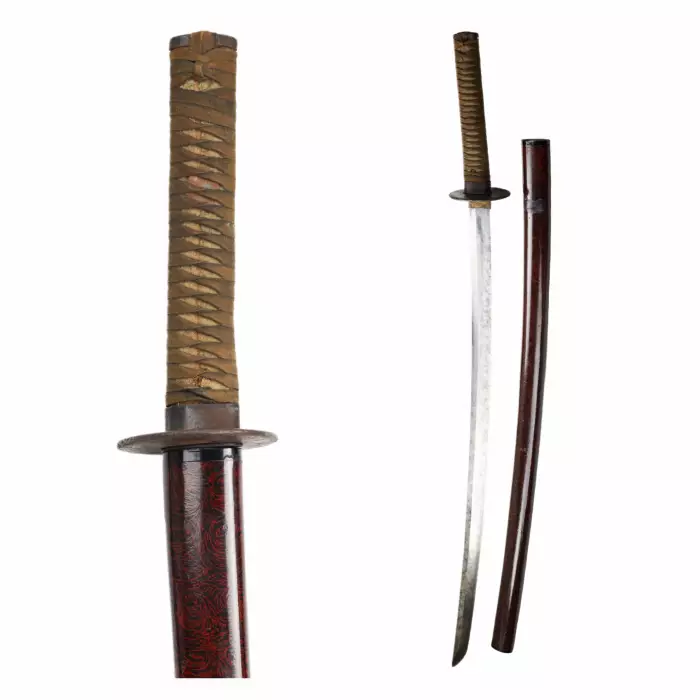
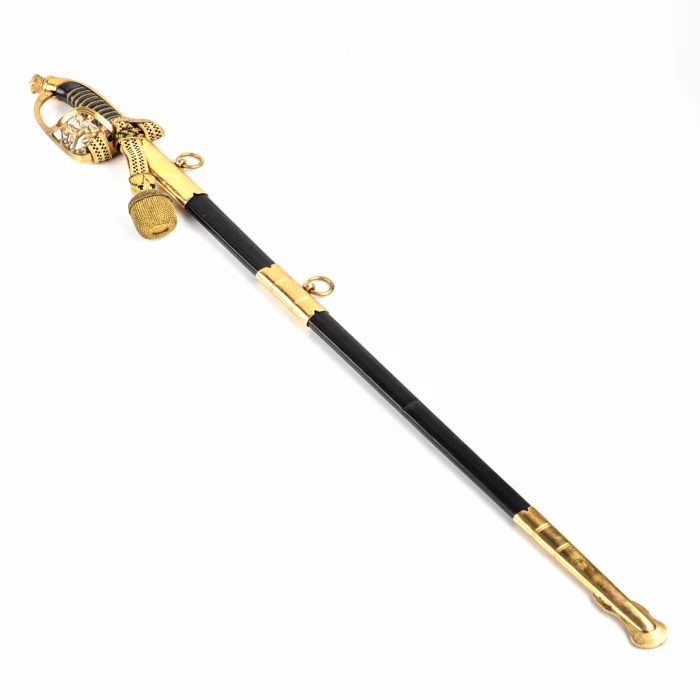
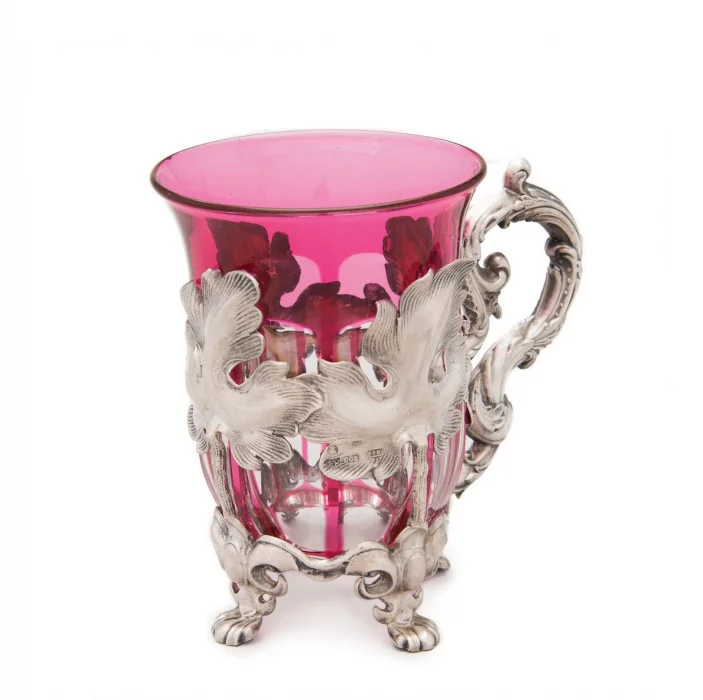
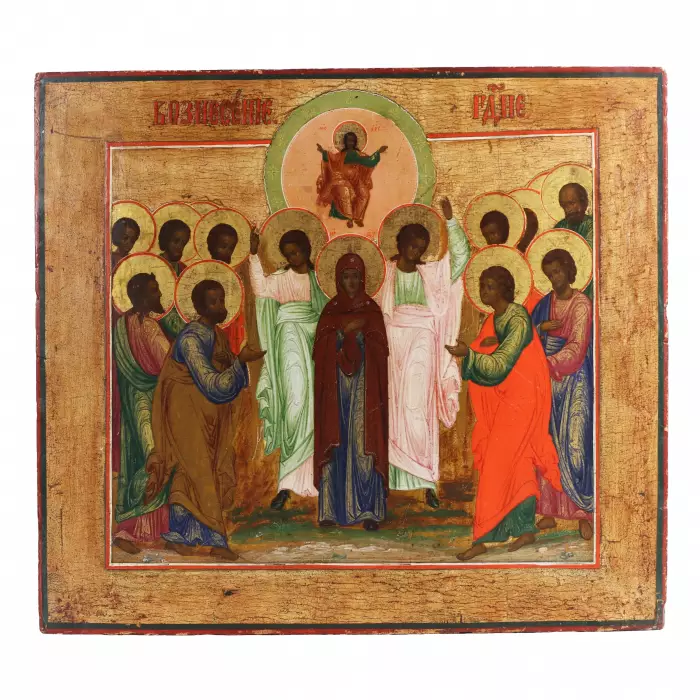
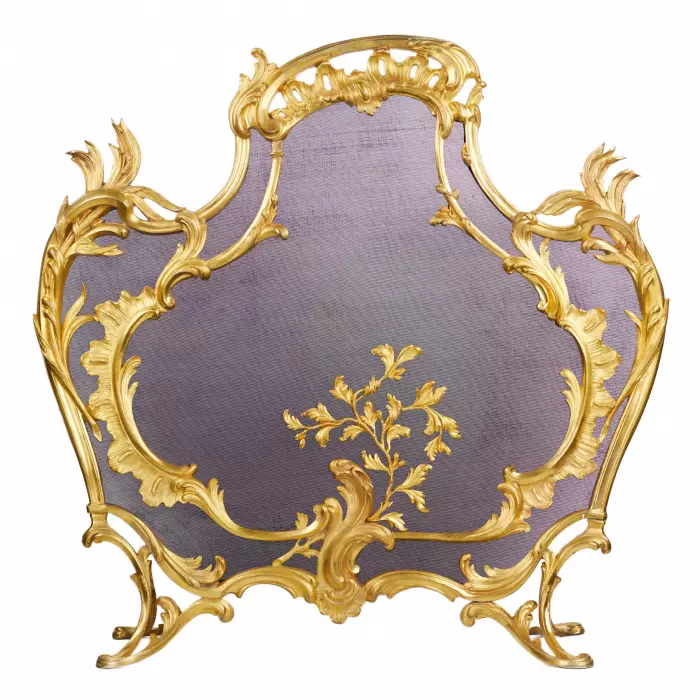
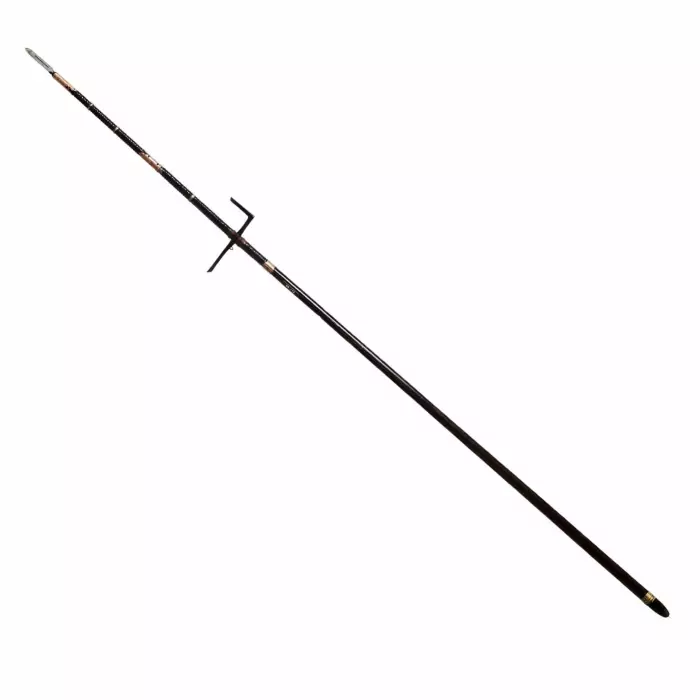
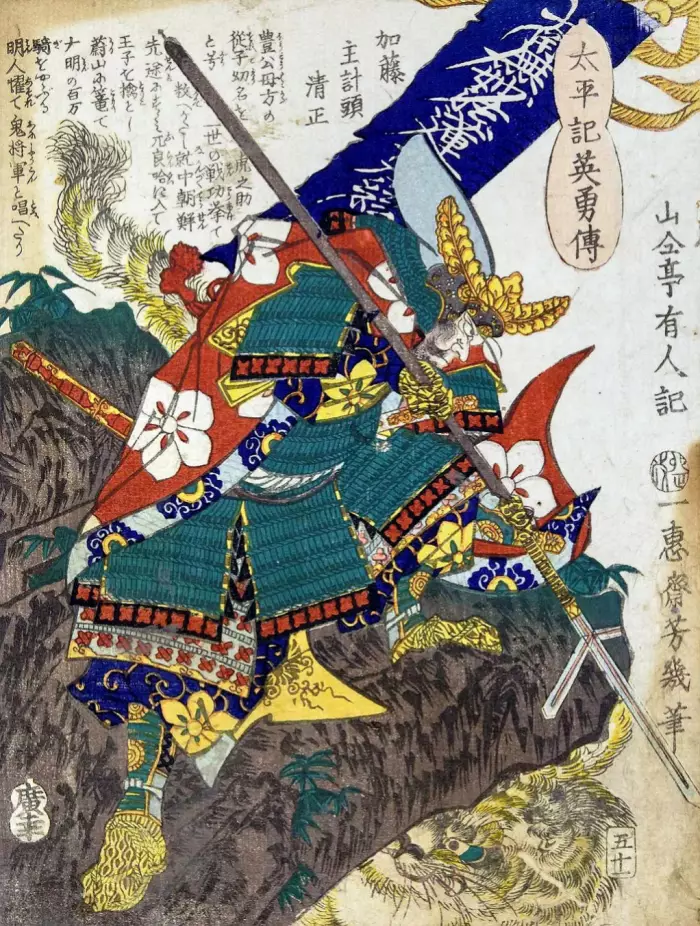
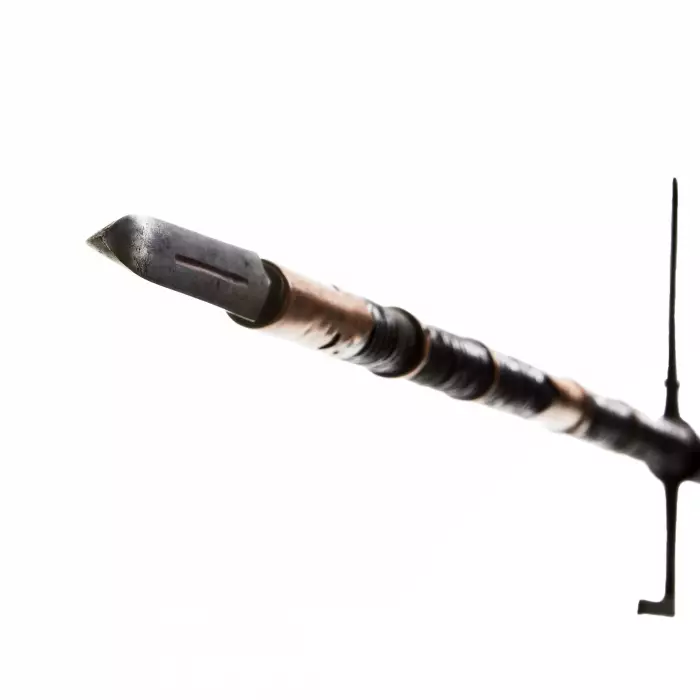
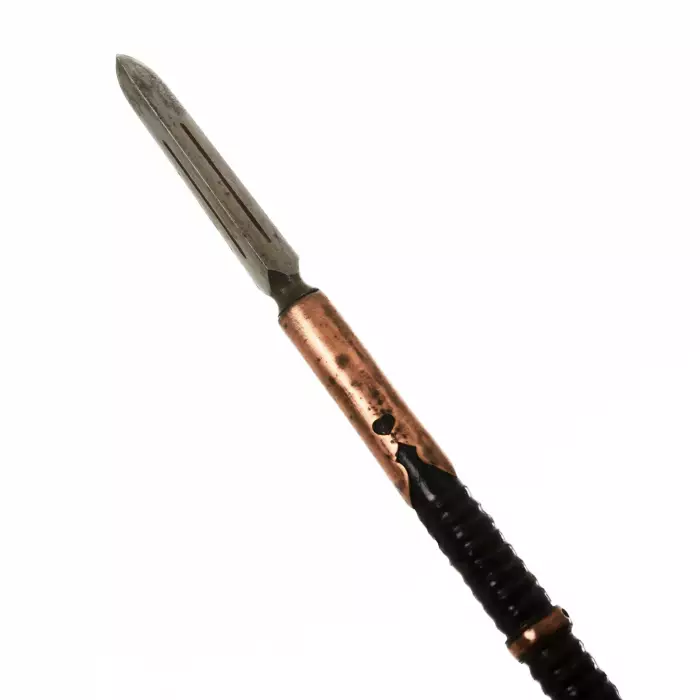
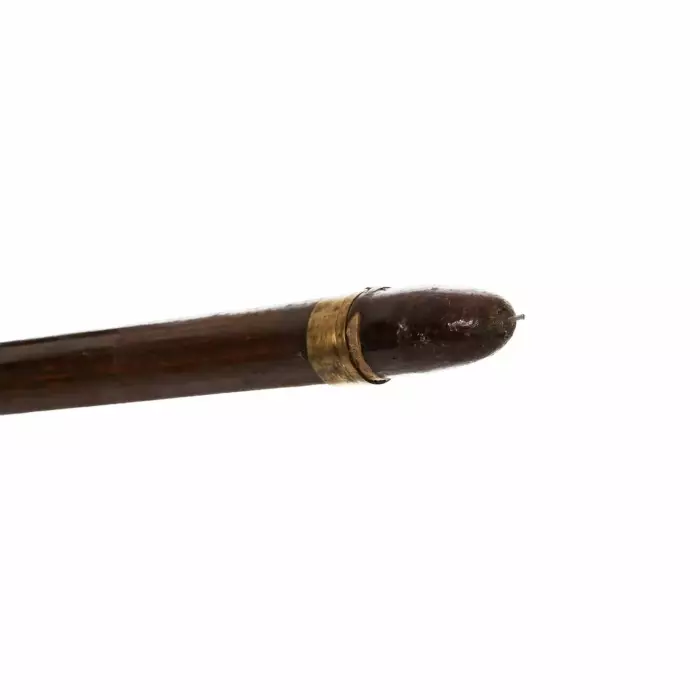
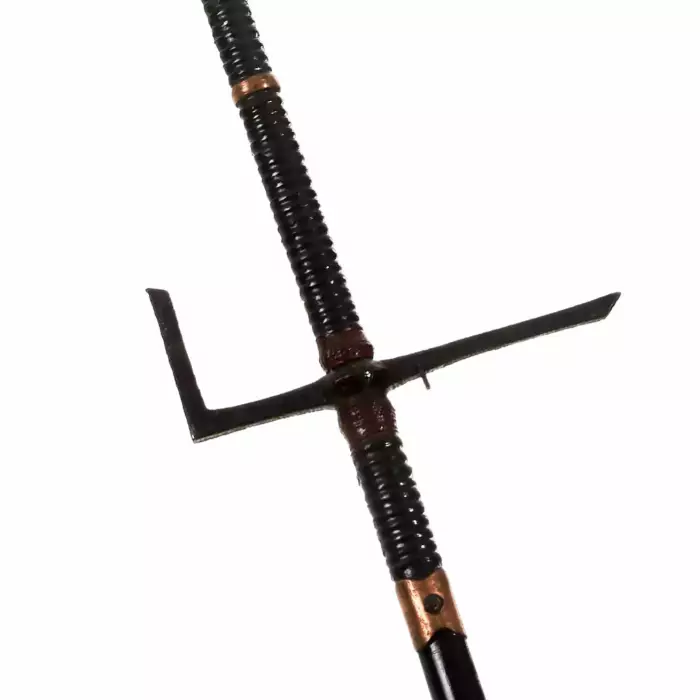
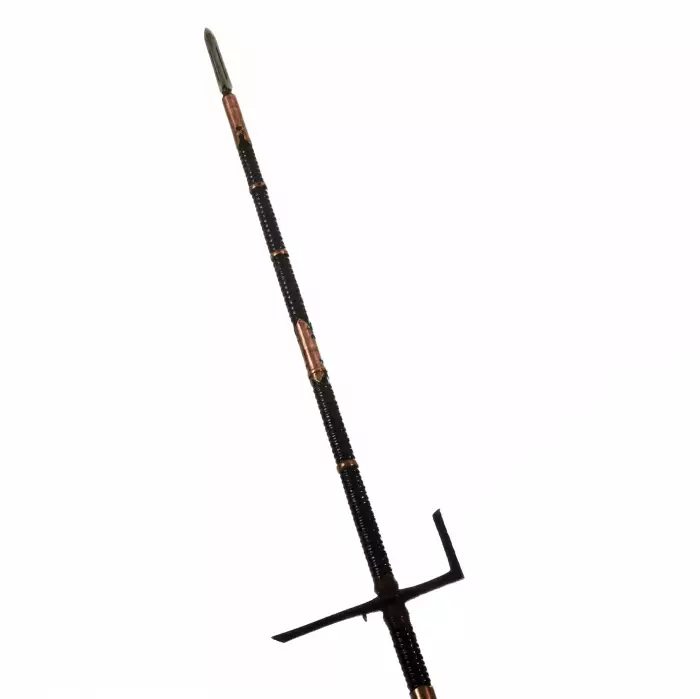
Spear of Kagi-yari. Japan. Edo period. 1781-1876
Antiqon consultant will contact you within one business day after receiving your request.
Discover your personalized shipping cost — based on where you are and how you prefer to receive your piece..
The condition report is provided for informational purposes only.
It is not comprehensive and may not reflect all defects, restorations, alterations, or adaptations, as Antiqon does not perform professional conservation-level assessments. The information is based on a qualified, yet subjective, evaluation by our specialists.Before purchasing, we recommend consultation with an independent expert.Please also consult our Terms and conditions and Glossary A-Z, which contain important information on lot characteristics and sale conditions.